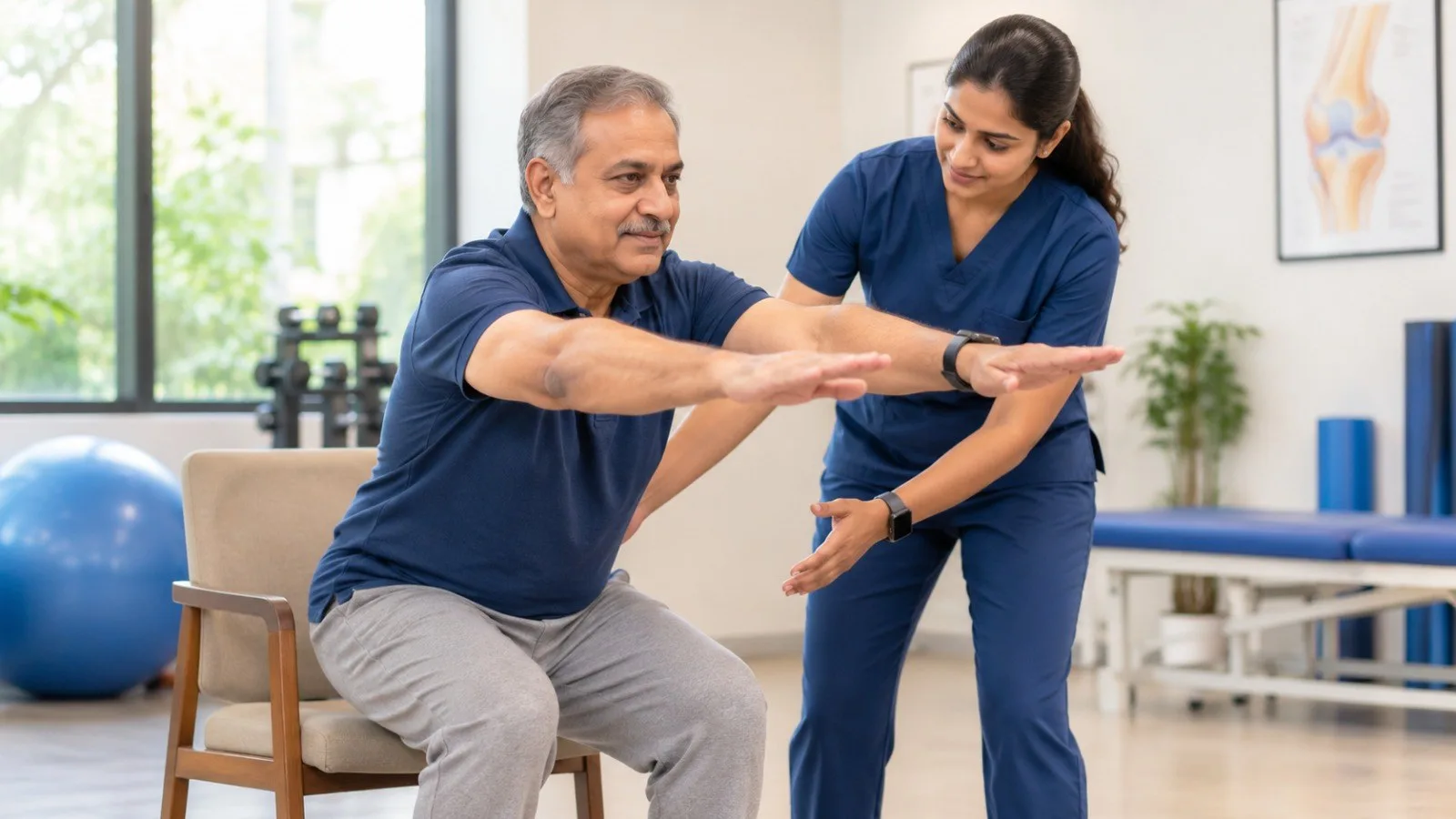
How to Protect Your Joints Before Considering Replacement
Knee or hip pain that won't settle often leads to one conversation: joint replacement. For many people, though, it is not the first or only option.
Read More
Knee or hip pain that won't settle often leads to one conversation: joint replacement. For many people, though, it is not the first or only option.
Read More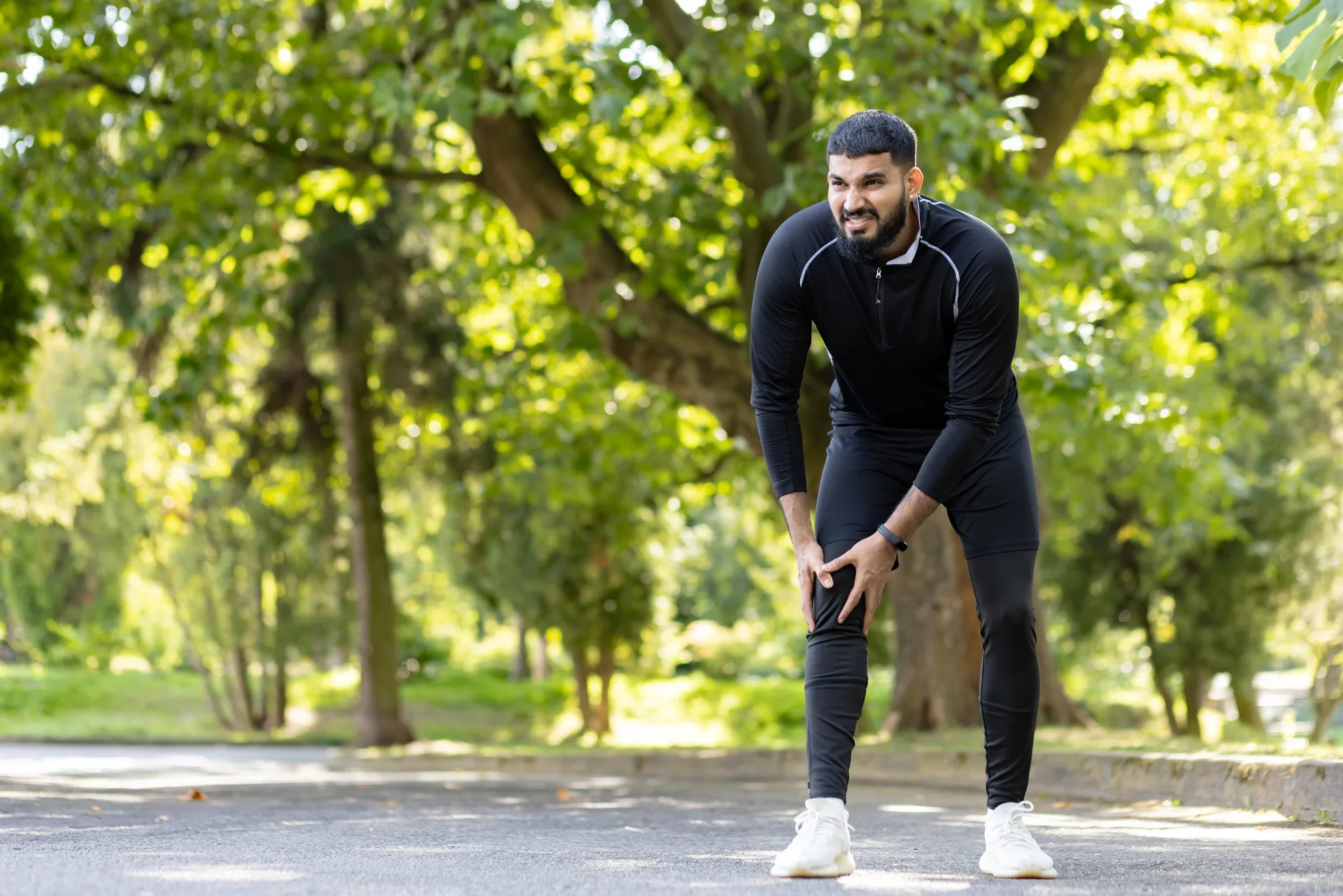
The five injuries runners most often pick up during marathon training are runner's knee, shin splints, plantar fasciitis, Achilles tendinopathy, and IT band syndrome. Most come from doing too much, too soon, and most improve with reduced load, strengthening, and a gradual return.
Read More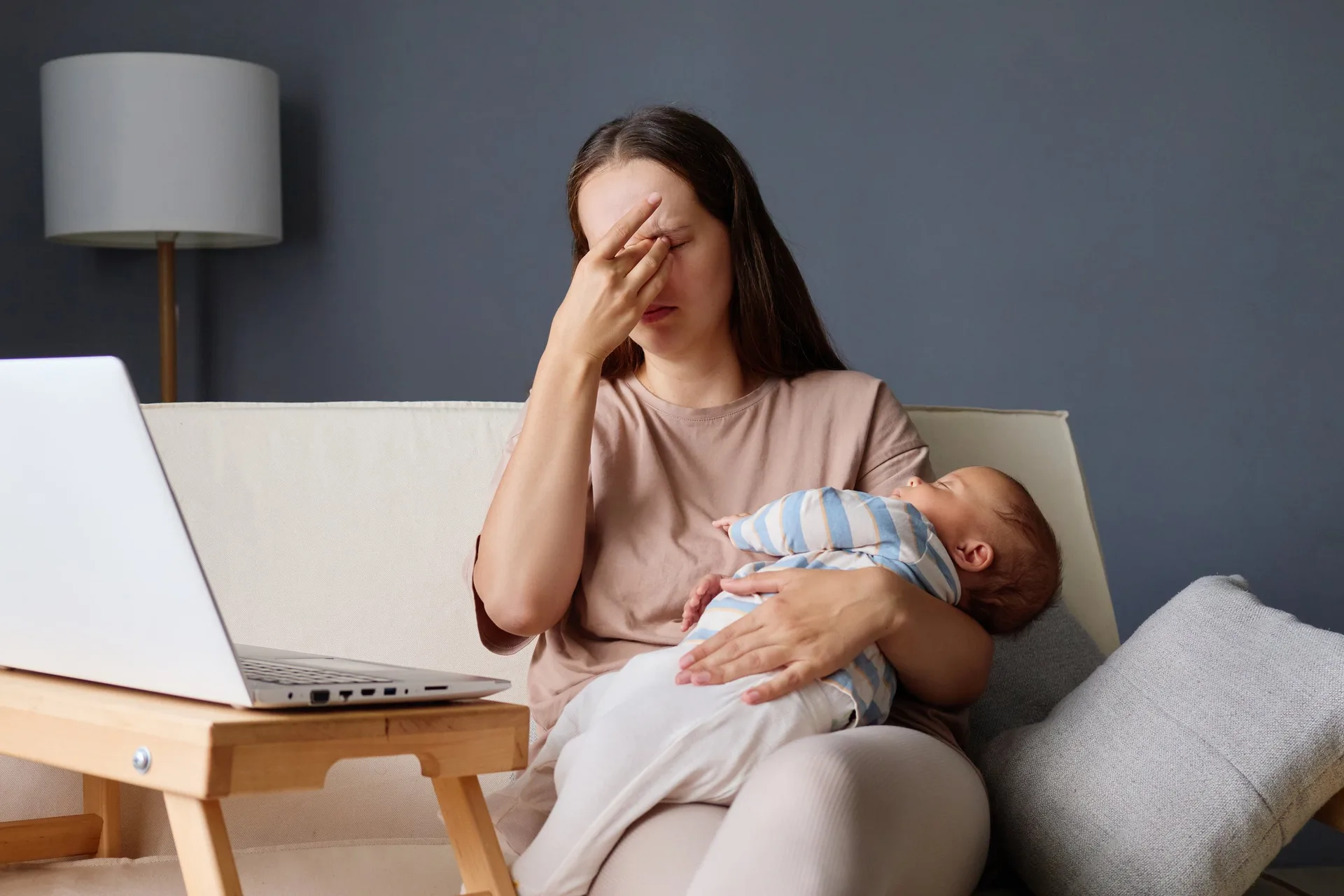
Aches in the lower back, pelvis, and wrist are very common in the weeks after delivery. They usually come from pregnancy-related hormonal changes, a body that is still recovering, and the constant lifting, feeding, and carrying that a newborn needs.
Read More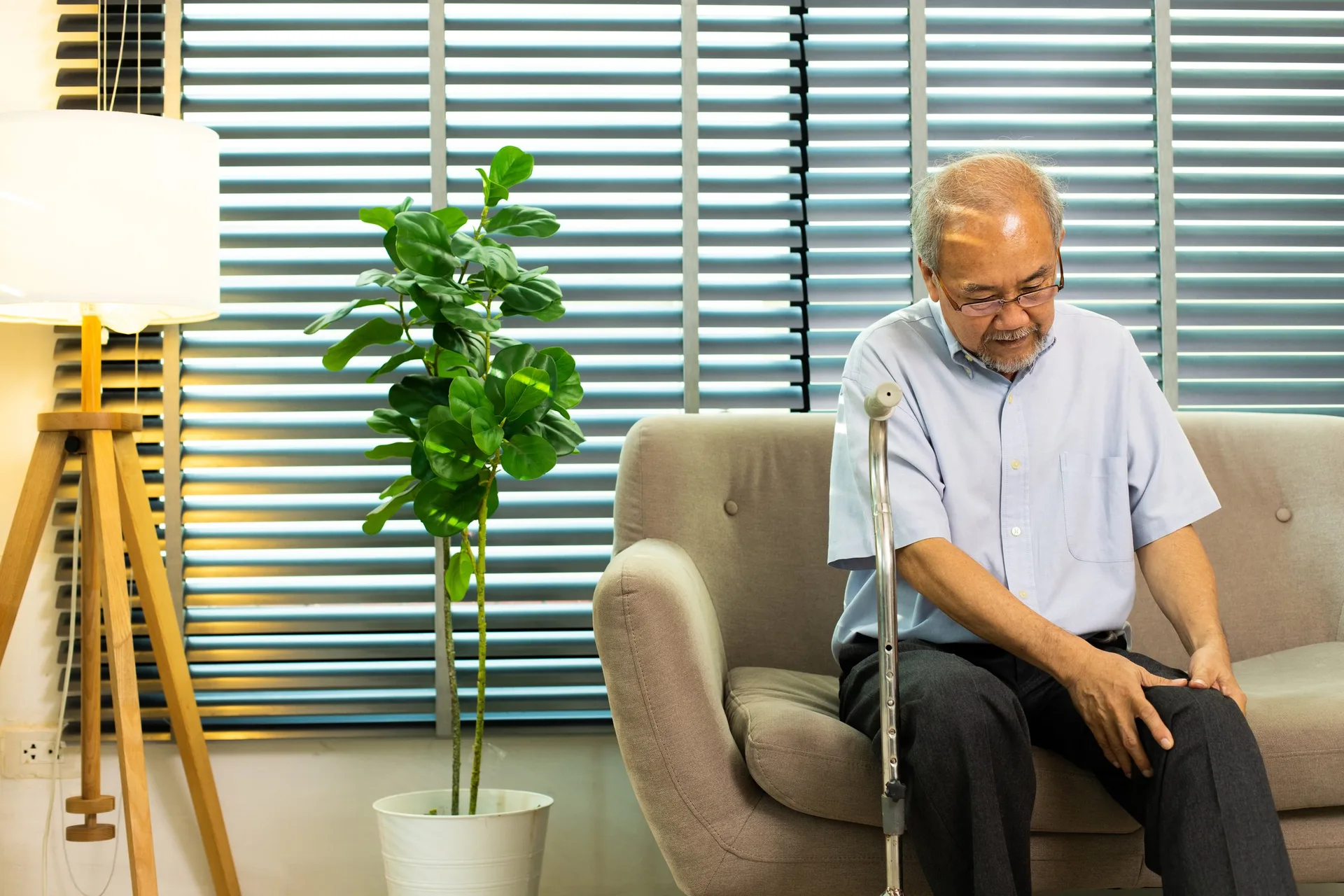
Falls are common in older adults, but most can be reduced. The biggest wins are regular strength and balance exercise, a review of your parent's medicines, regular eye and hearing checks, safer shoes, a home with fewer trip hazards, and healthy bones.
Read More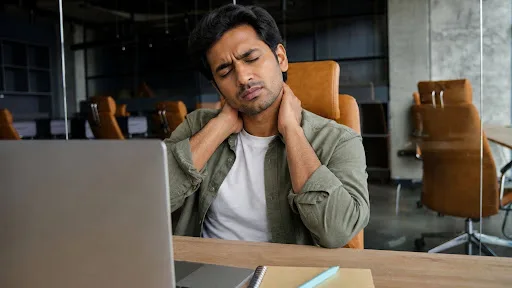
Desk-related neck pain is usually driven by forward head posture and prolonged static sitting, which load the cervical spine far beyond its natural resting weight and overwork the neck and upper-back muscles.
Read More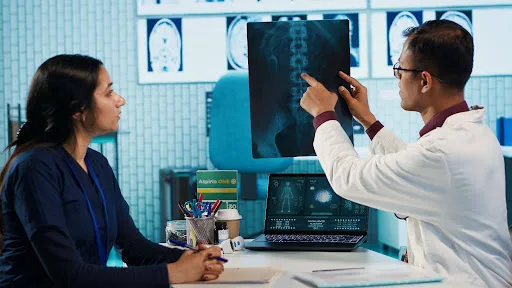
X-ray is the right first scan for a suspected fracture, bone alignment, or arthritis-related bone changes; it’s fast and shows bone clearly, but not soft tissue. MRI is the right choice for ligament tears, meniscus injuries, disc problems, and other soft-tissue detail; it takes longer but shows what X-ray can’t.
Read More
Yes, vitamin D deficiency can cause body pain, most clearly deep bone pain (from a condition called osteomalacia), muscle weakness, and aches, and it’s very common in India, with studies suggesting a large share of the population is deficient.
Read More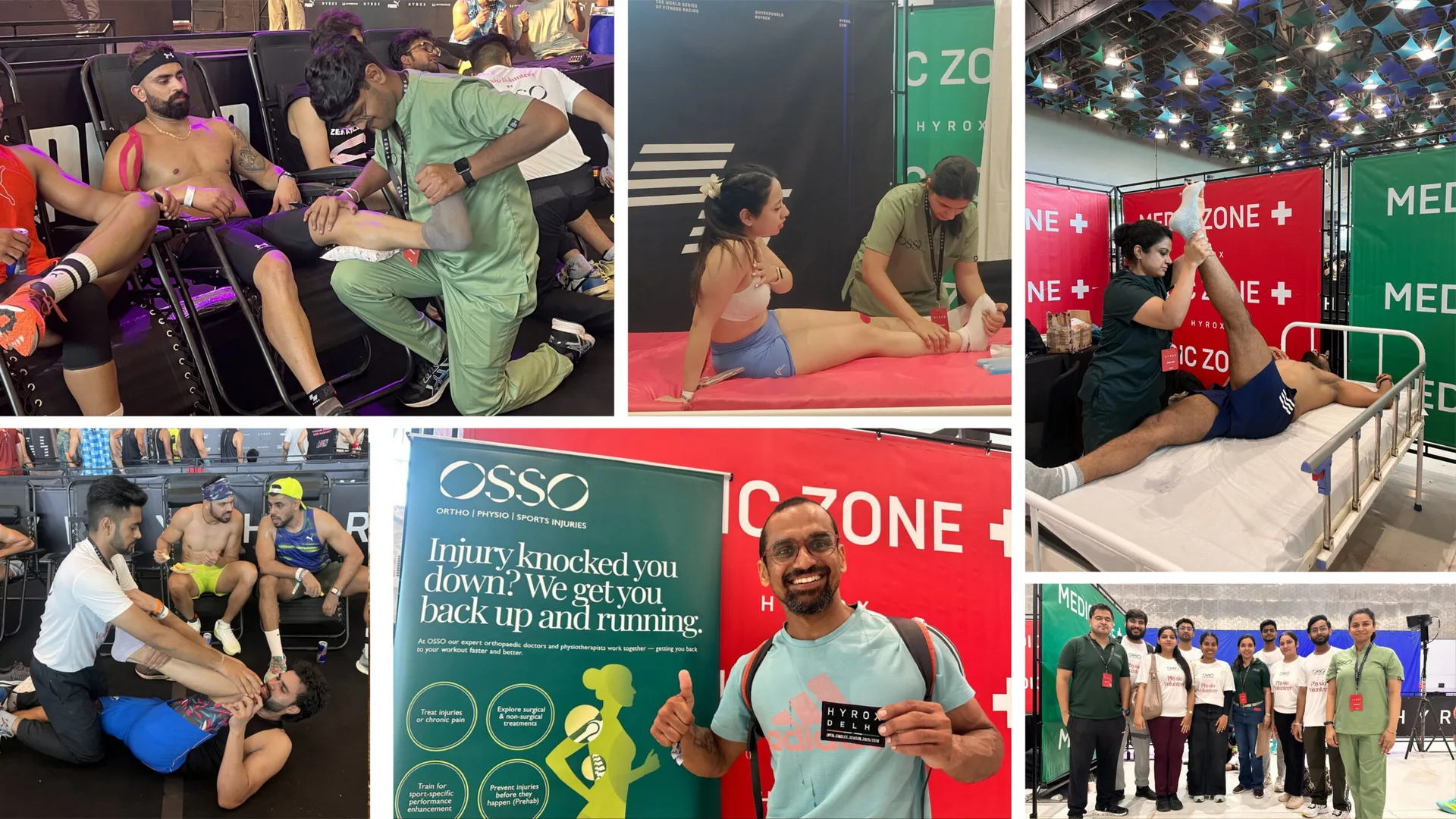
Athletic performance is about more than strength, speed, and endurance. The ability to move efficiently, prevent injuries, recover effectively, and stay competition-ready is equally important. That’s where OSSO comes in.
Read More
For most women, the standard DEXA screening age is around 65, but Indian women may develop low bone mass and fragility fractures at younger ages than many Western populations, so screening is often advised sooner
Read More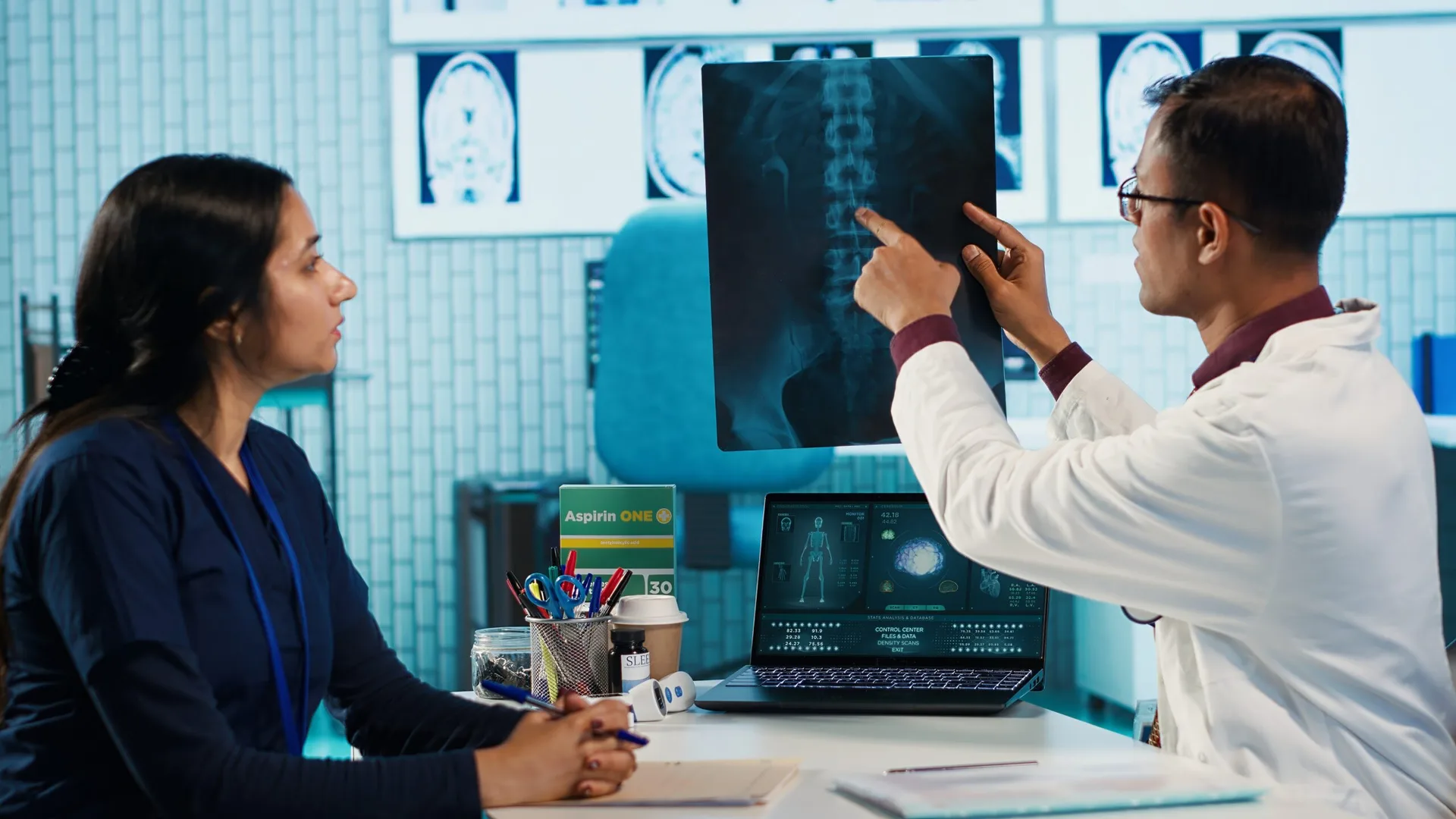
Finding the right orthopedic doctor in Gurgaon is harder than it looks. The city has hundreds of options: large hospital chains, standalone ortho clinics, physiotherapy centres, and everything in between.
Read More
Frozen shoulder is one of the most painful and misunderstood shoulder conditions treated at OSSO. Patients arrive having been told it will “go away on its own,” having been given exercises that worsened their pain
Read More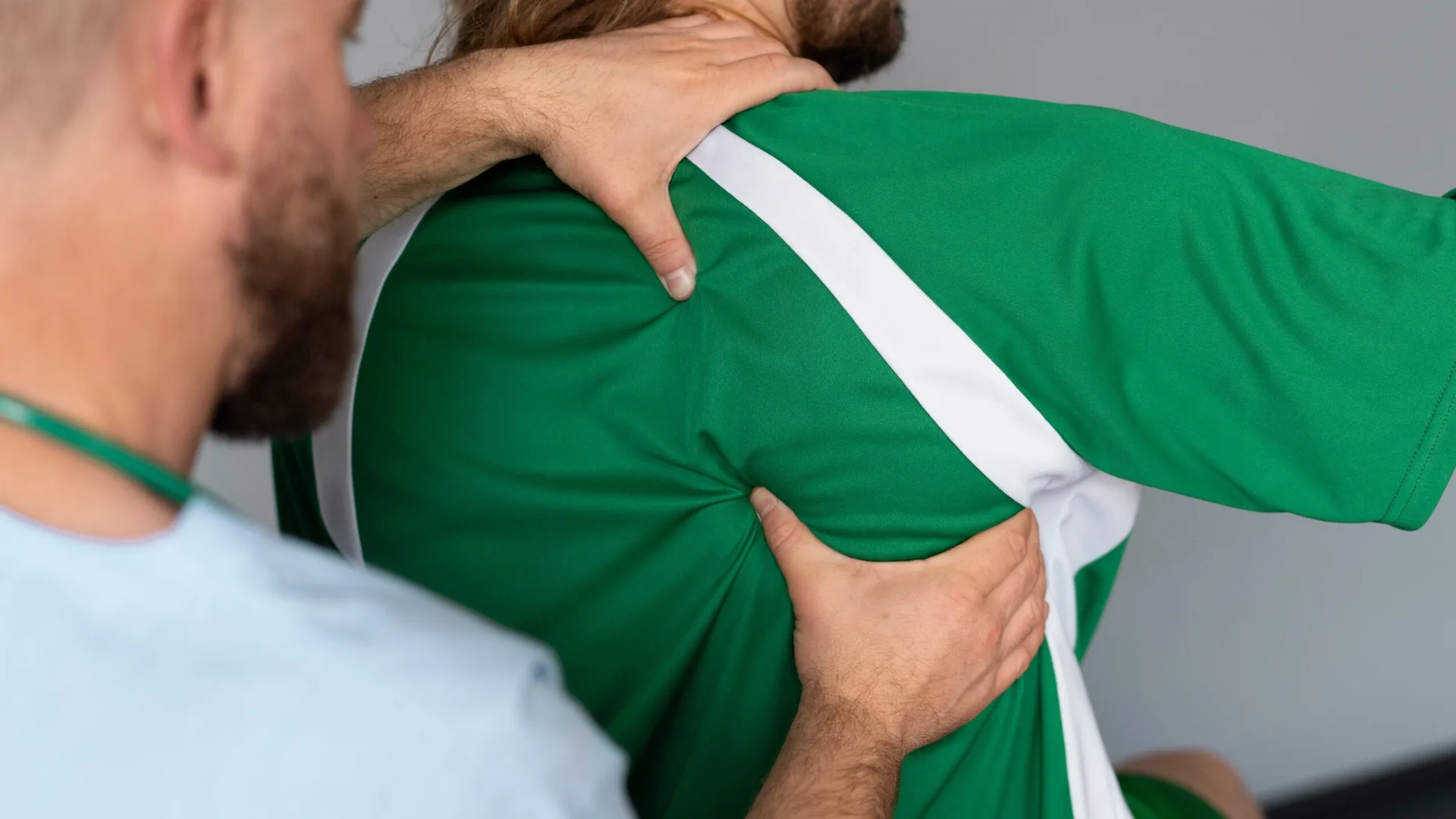
Whether you’re a weekend footballer in DLF Phase-4, a teenage badminton player training for state selection, or a 45-year-old runner easing back into 10Ks, one truth holds across every age group:
Read More
Neck pain, medically called cervicalgia, affects roughly 1 in 5 adults at some point and is usually caused by muscle strain, poor posture, or age-related wear on the cervical spine, not something serious.
Read More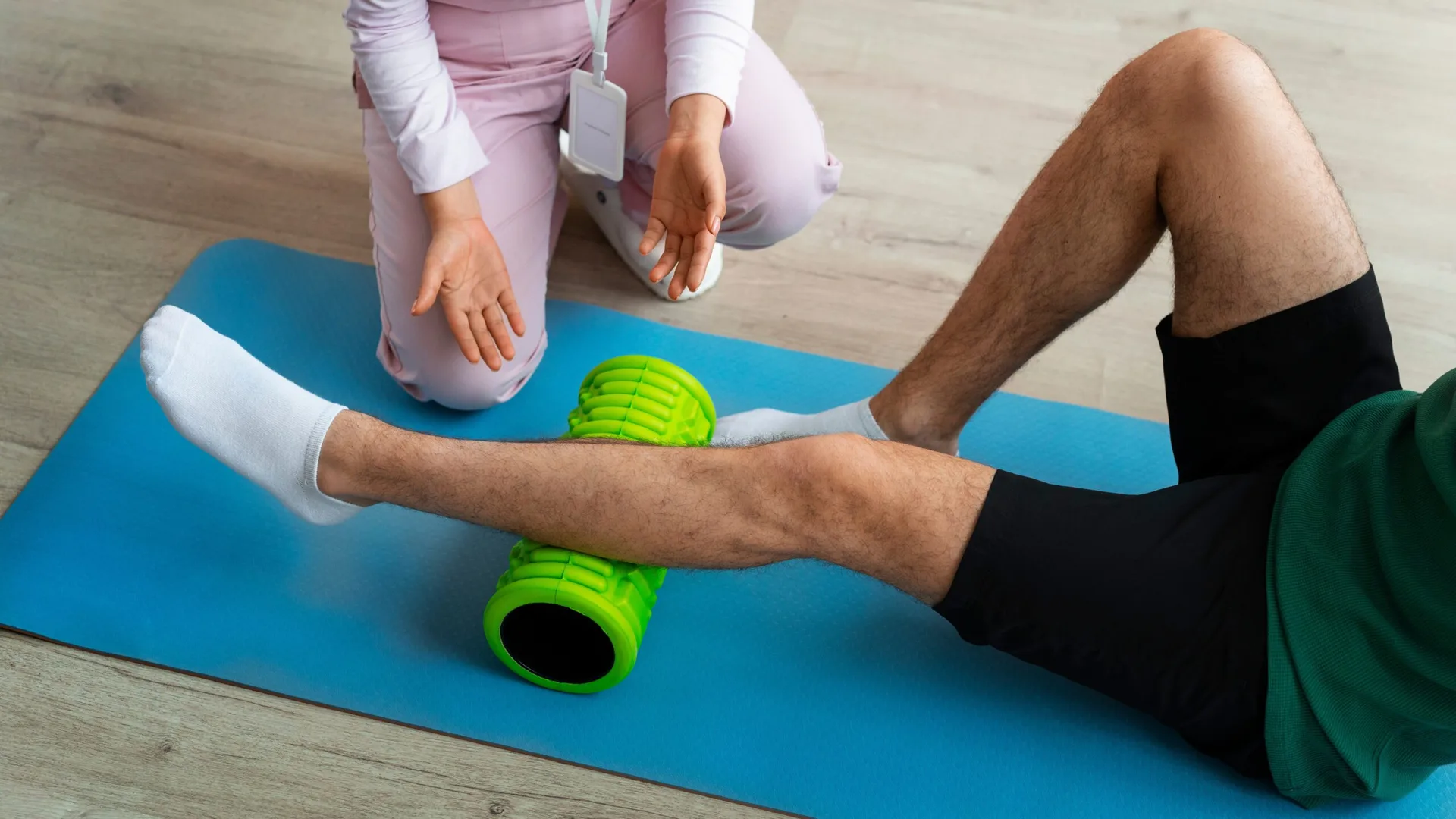
A sprained ankle happens when the ligaments supporting your ankle joint are stretched or torn, usually from a sudden twist or roll, and most heal fully within 1 to 6 weeks with the right, phase-based rehabilitation.
Read More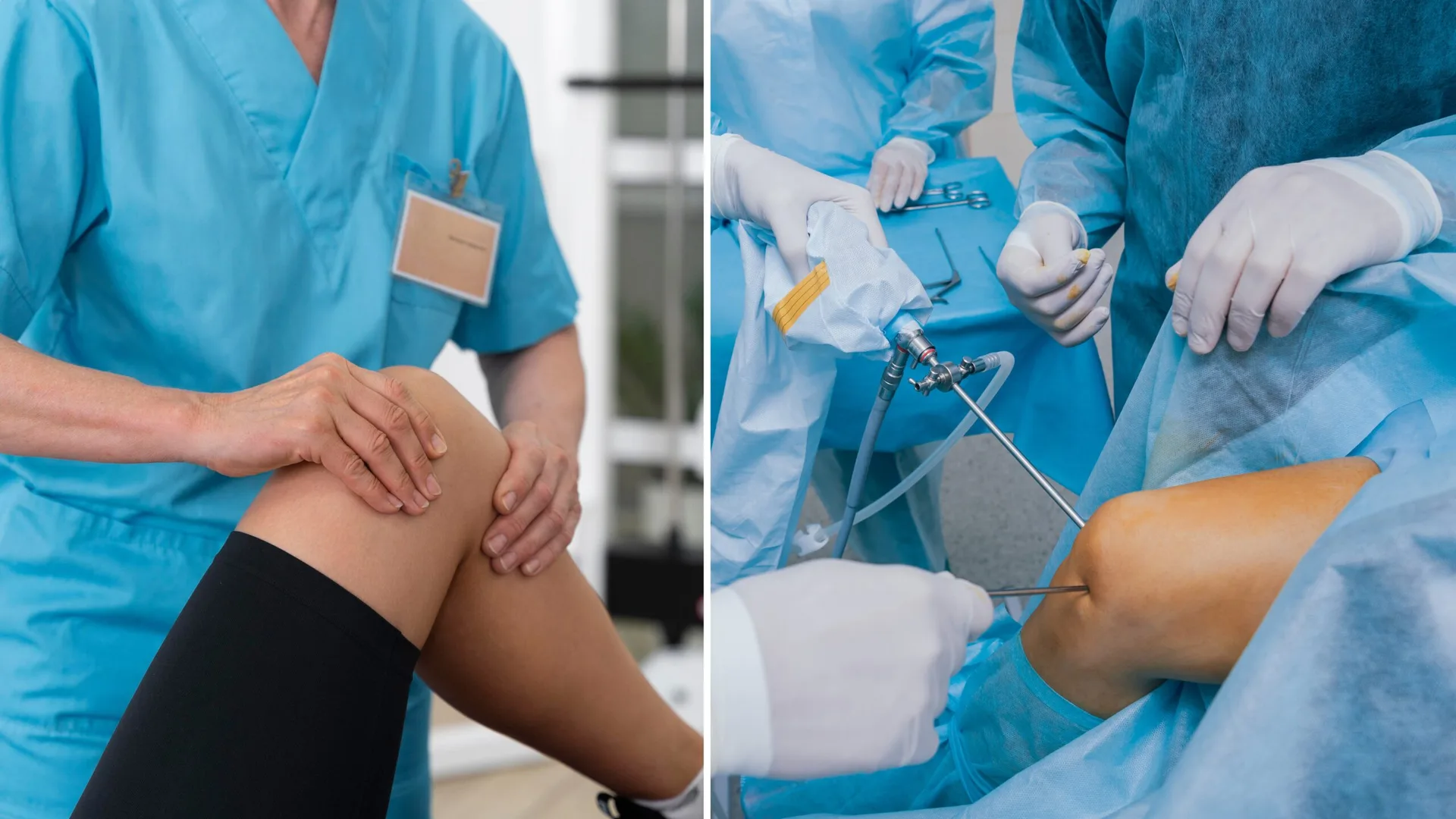
A sprained ankle happens when the ligaments supporting your ankle joint are stretched or torn, usually from a sudden twist or roll, and most heal fully within 1 to 6 weeks with the right, phase-based rehabilitation.
Read More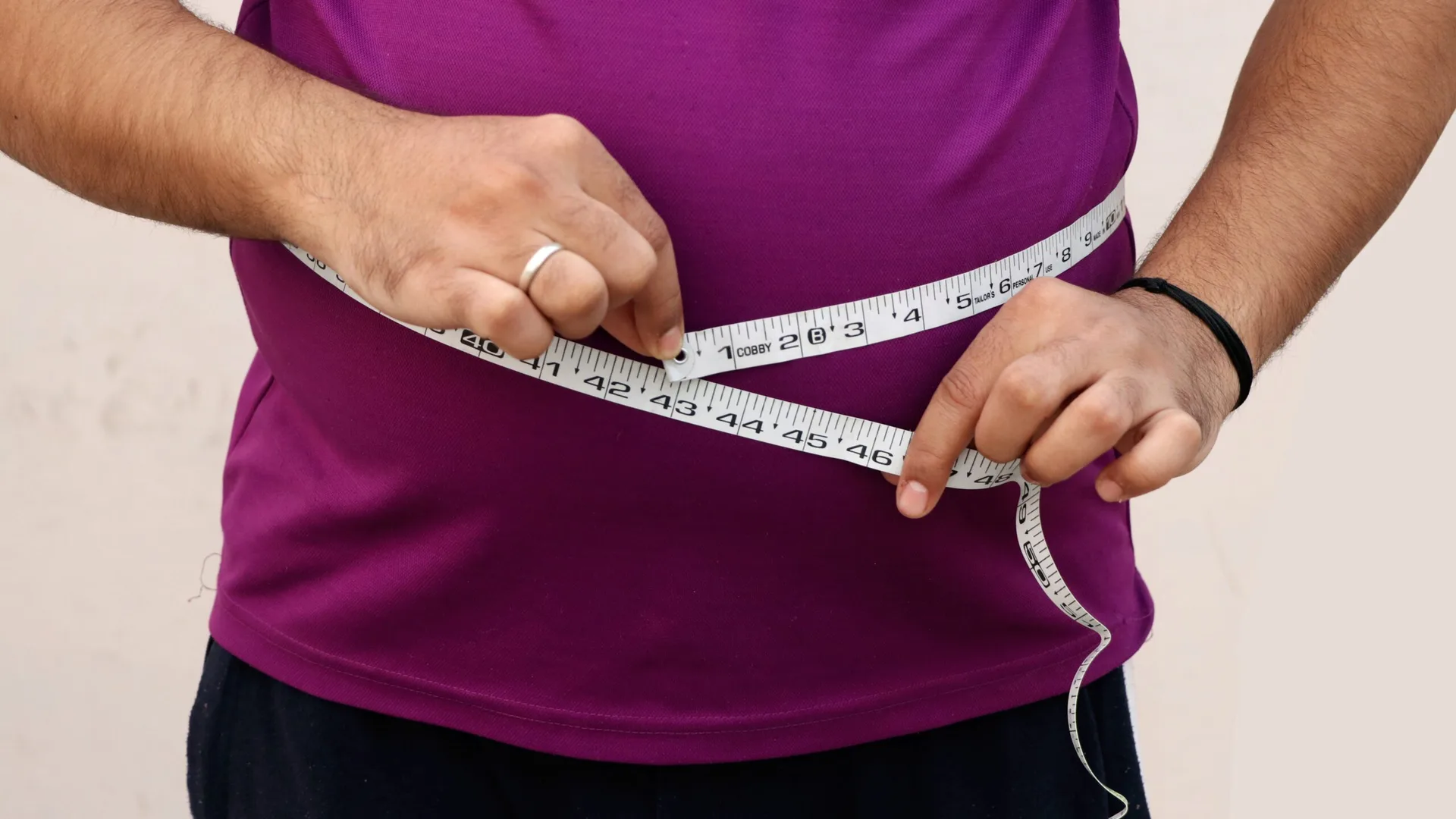
If you are overweight and experiencing knee, hip, or back pain, the relationship between your weight and your joints is not coincidental. Excess body weight is one of the most significant and modifiable risk factors for orthopaedic pain and arthritis, and the clinical evidence for weight loss as a joint health
Read More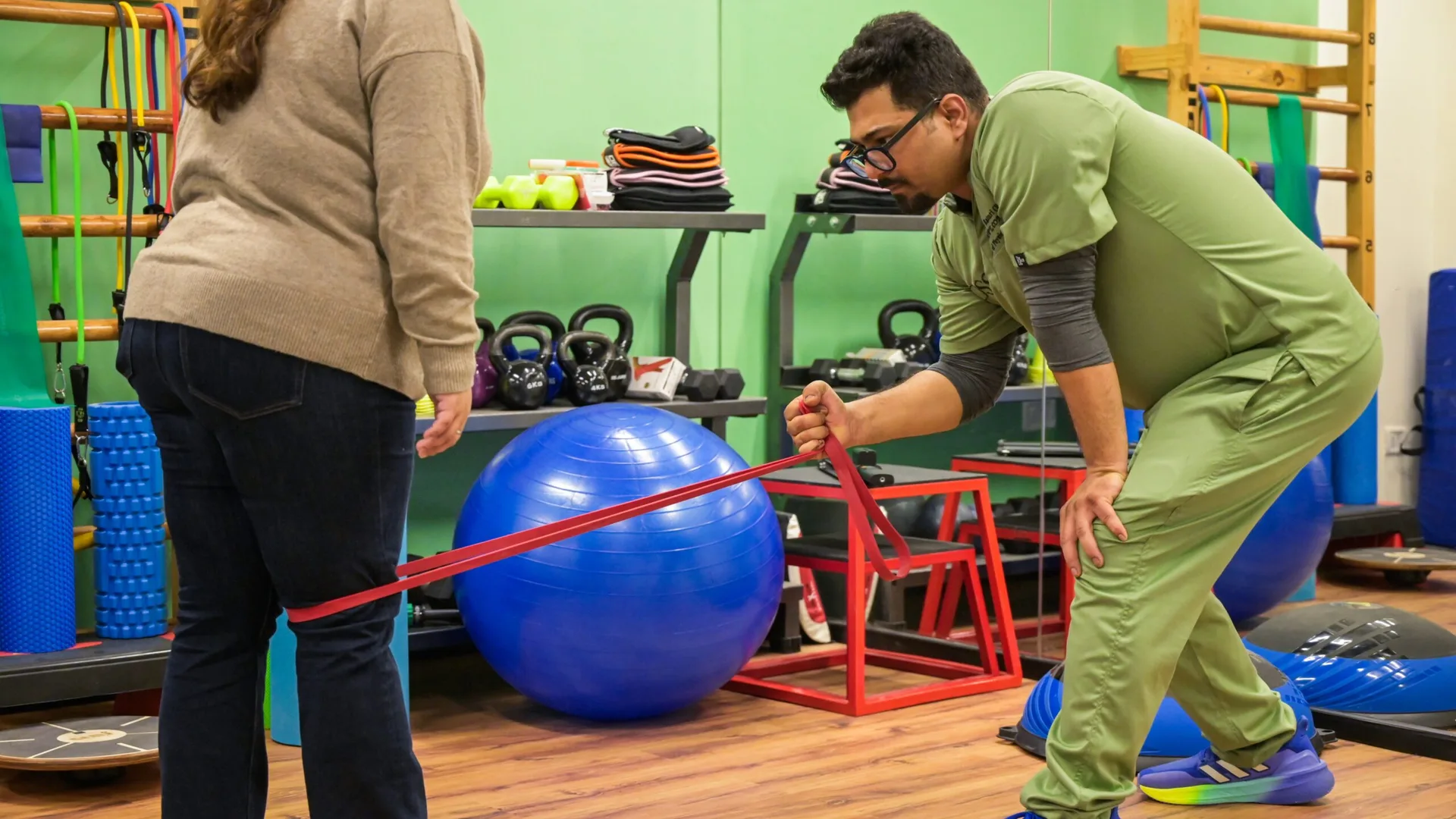
Finding the right physical therapy in Gurgaon is not just about proximity. It is about finding rehabilitation treatment that is built around an accurate diagnosis, delivered by qualified physiotherapists working
Read More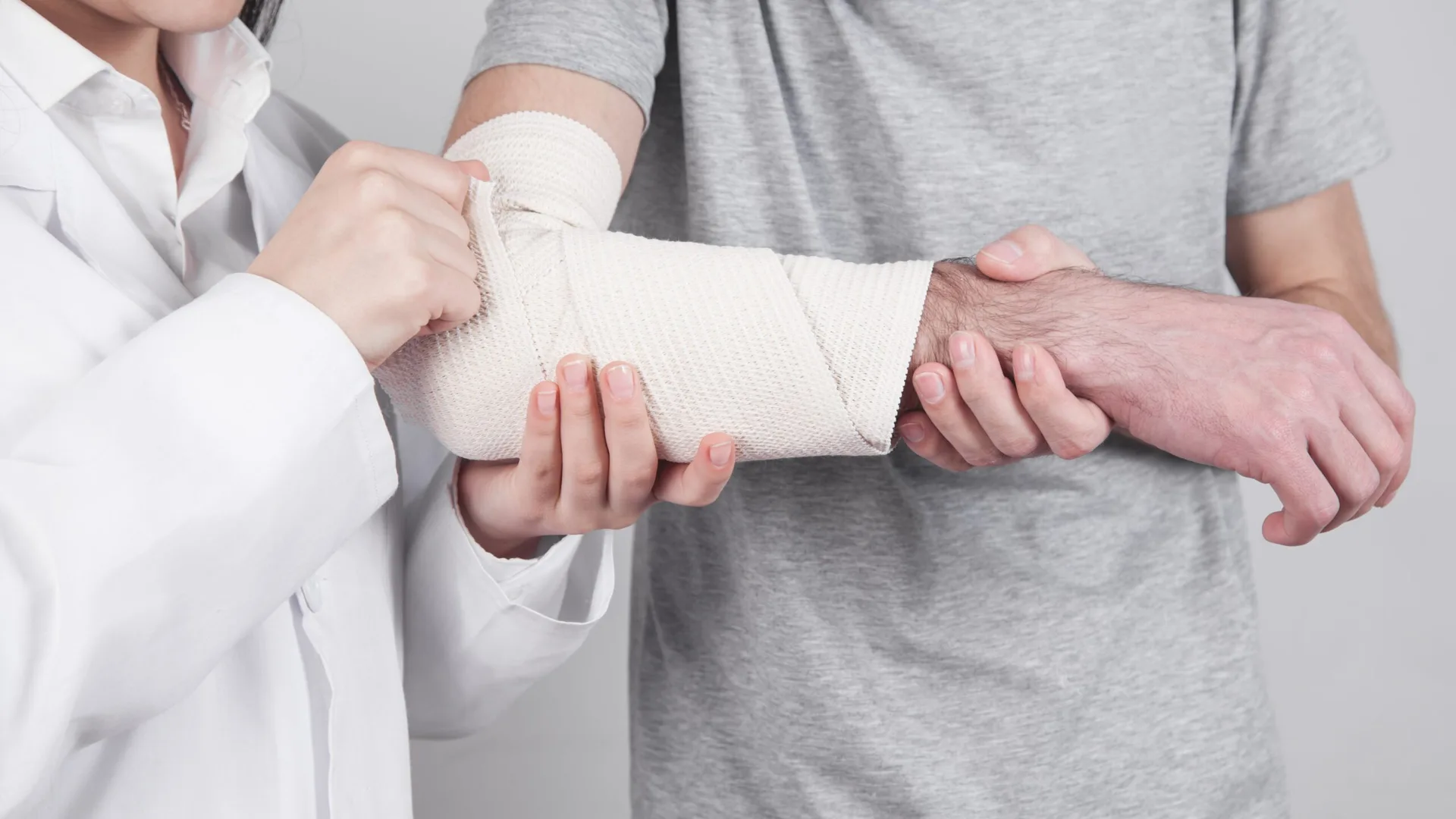
A bone fracture, compound fracture, stress fracture, or complete break is one of the most common injuries presenting to orthopaedic clinics. Bone fracture symptoms, risks, and complications vary widely depending on the type and severity.
Read More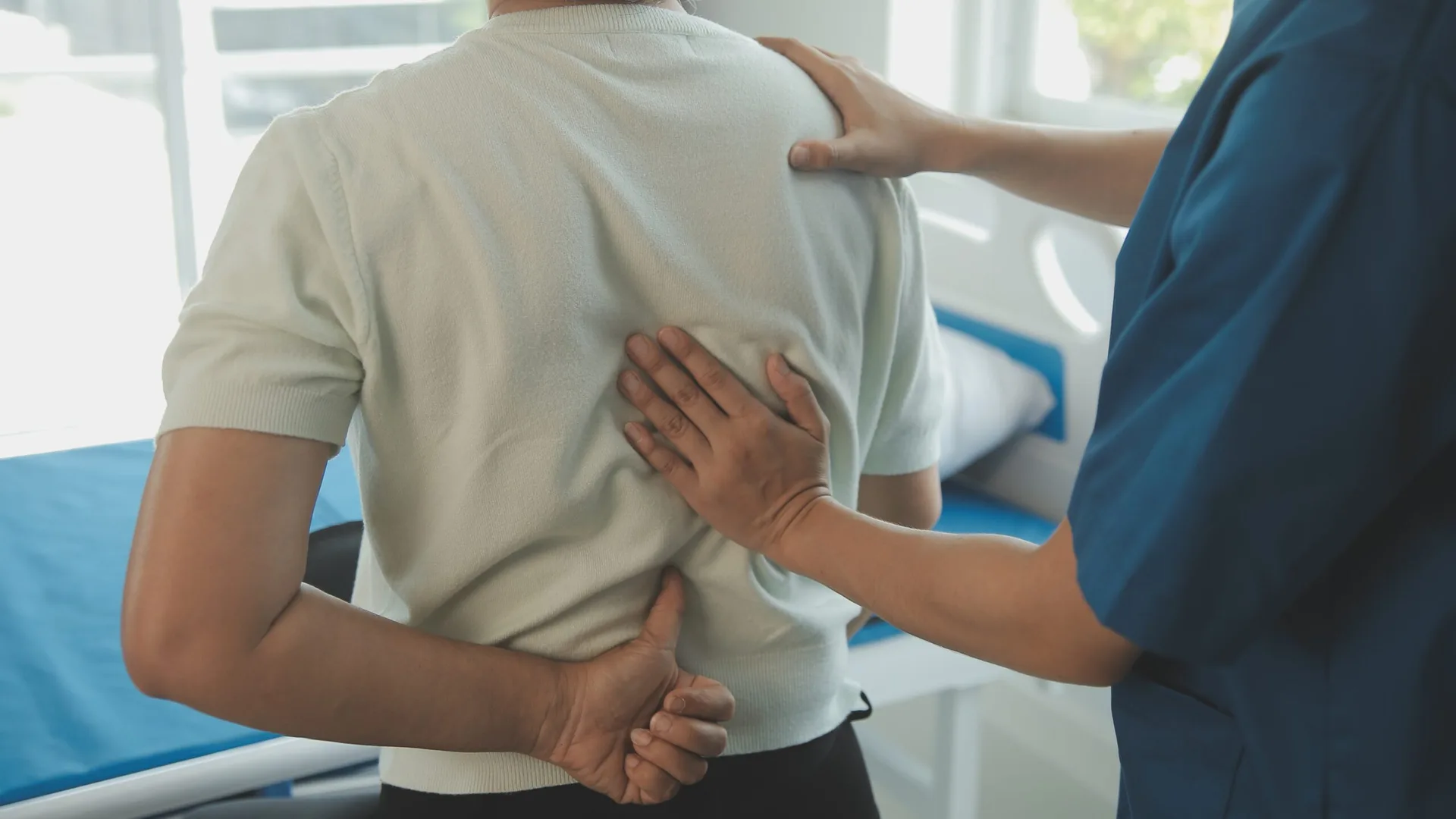
Lower back pain is one of the most common reasons people struggle to sit, stand, sleep, or work comfortably. The vast majority of cases are not serious and improve with conservative, non-surgical care.
Read More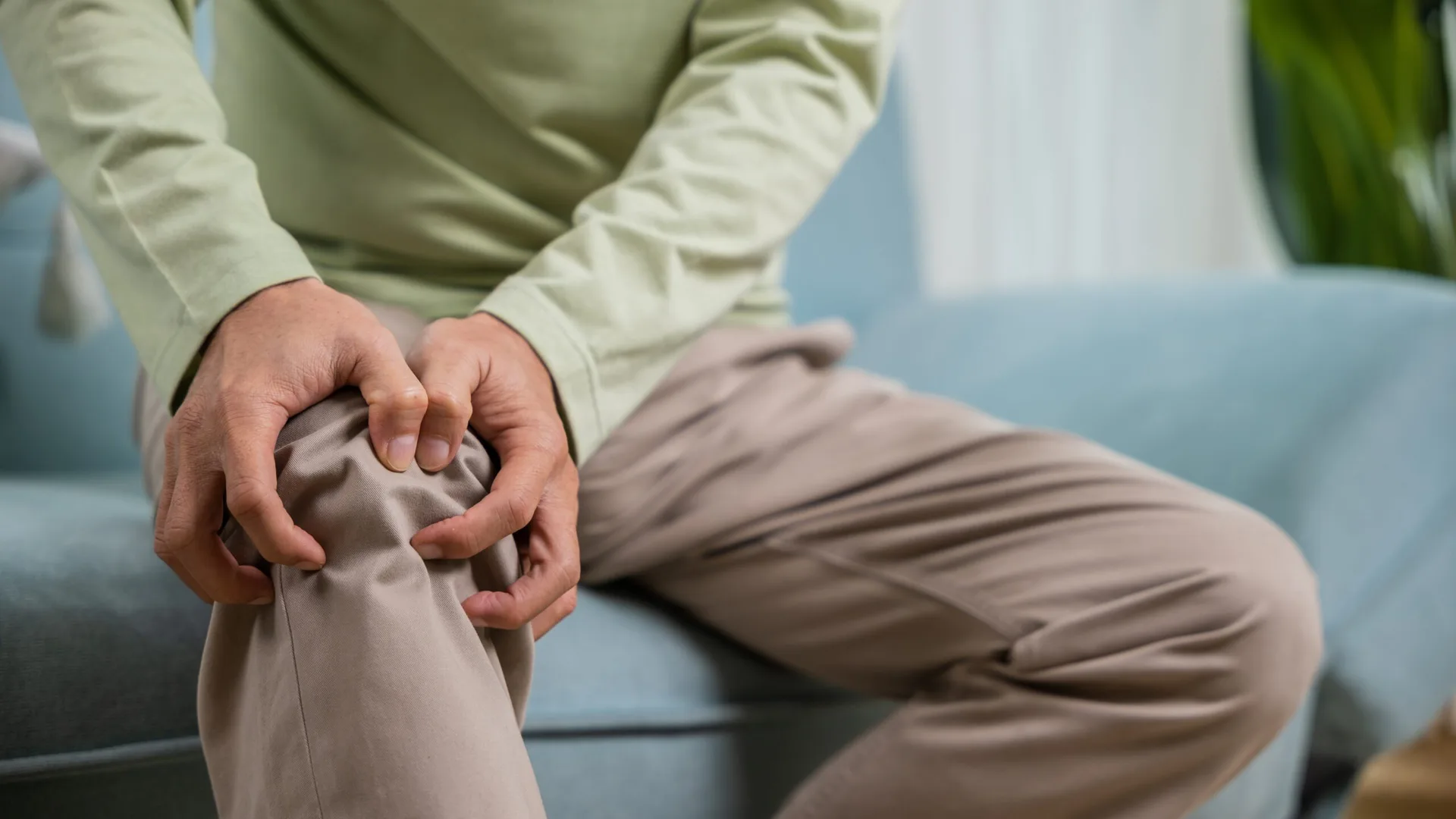
Knee pain is one of the most common complaints among Indian adults; studies suggest more than half of people above 50 experience it. The good news is that mild to moderate knee pain often responds well to simple, natural home remedies such as rest, gentle exercise, weight management, and hot and cold therapy.
Read More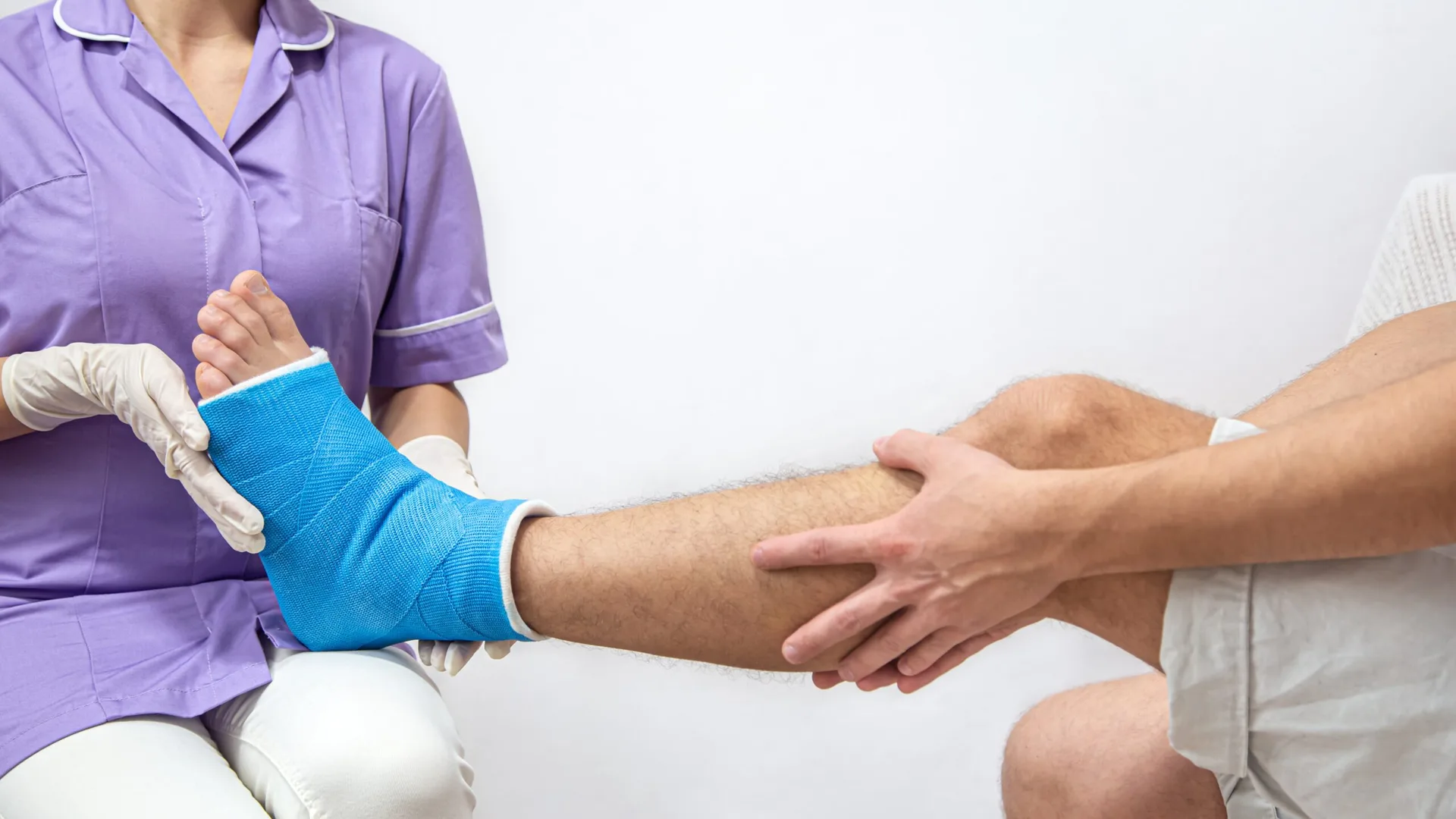
Foot and ankle injuries are among the most common problems in sport and everyday activity, and most of them are preventable. The majority can be avoided with proper warm-ups, the right footwear, and ankle-strengthening exercises, and when an injury does happen, early treatment with
Read More
Vitamin D deficiency is a common and often overlooked contributor to joint and muscle pain, though it is one of several potential causes that should be evaluated alongside other conditions.
Read More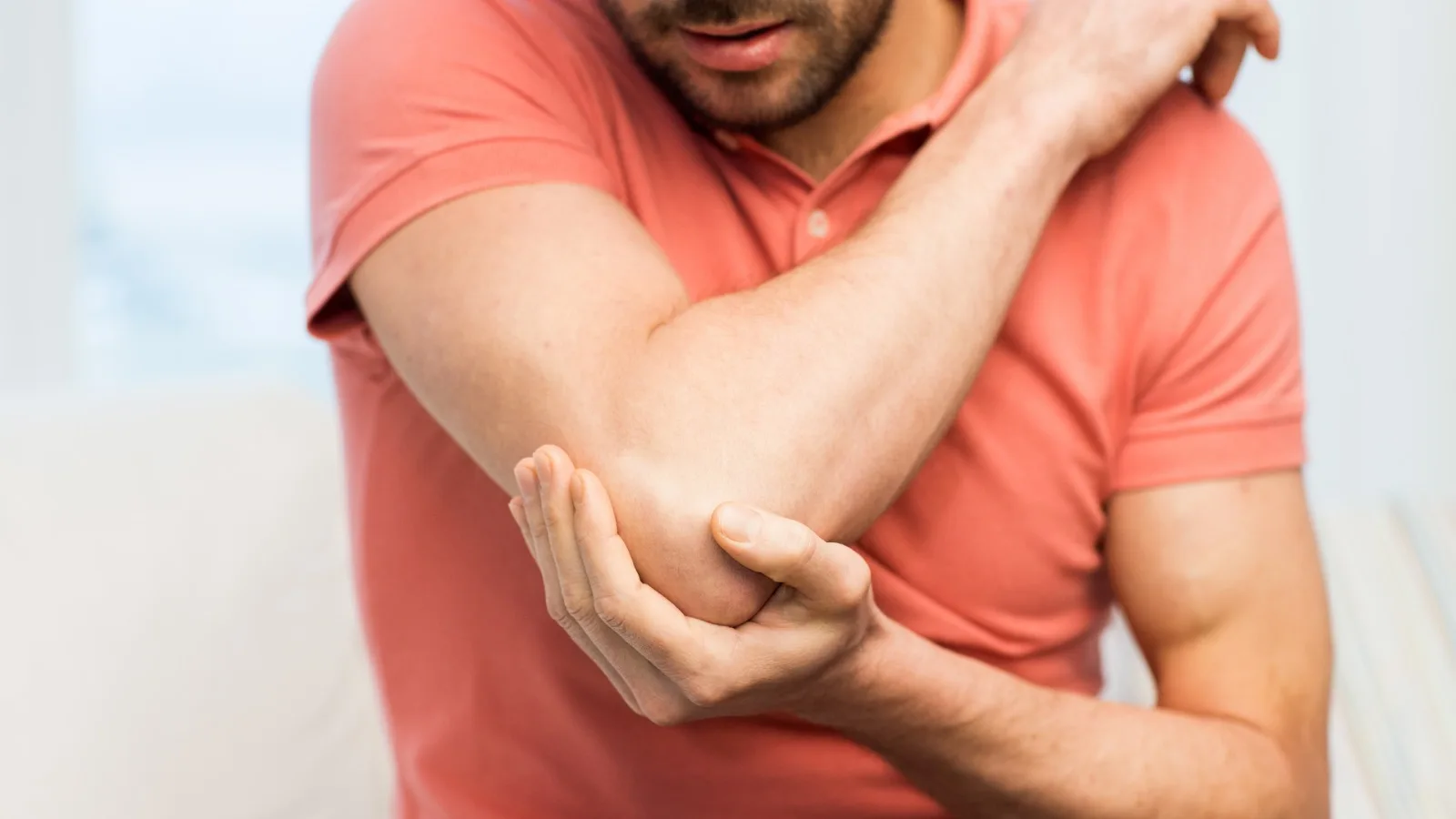
Sports injuries don’t have to be inevitable. Most common injuries, such as sprains, strains, tendonitis, and even ACL tears, can be prevented with proper warm-up routines, correct technique, strength training, protective equipment, and adequate recovery.
Read More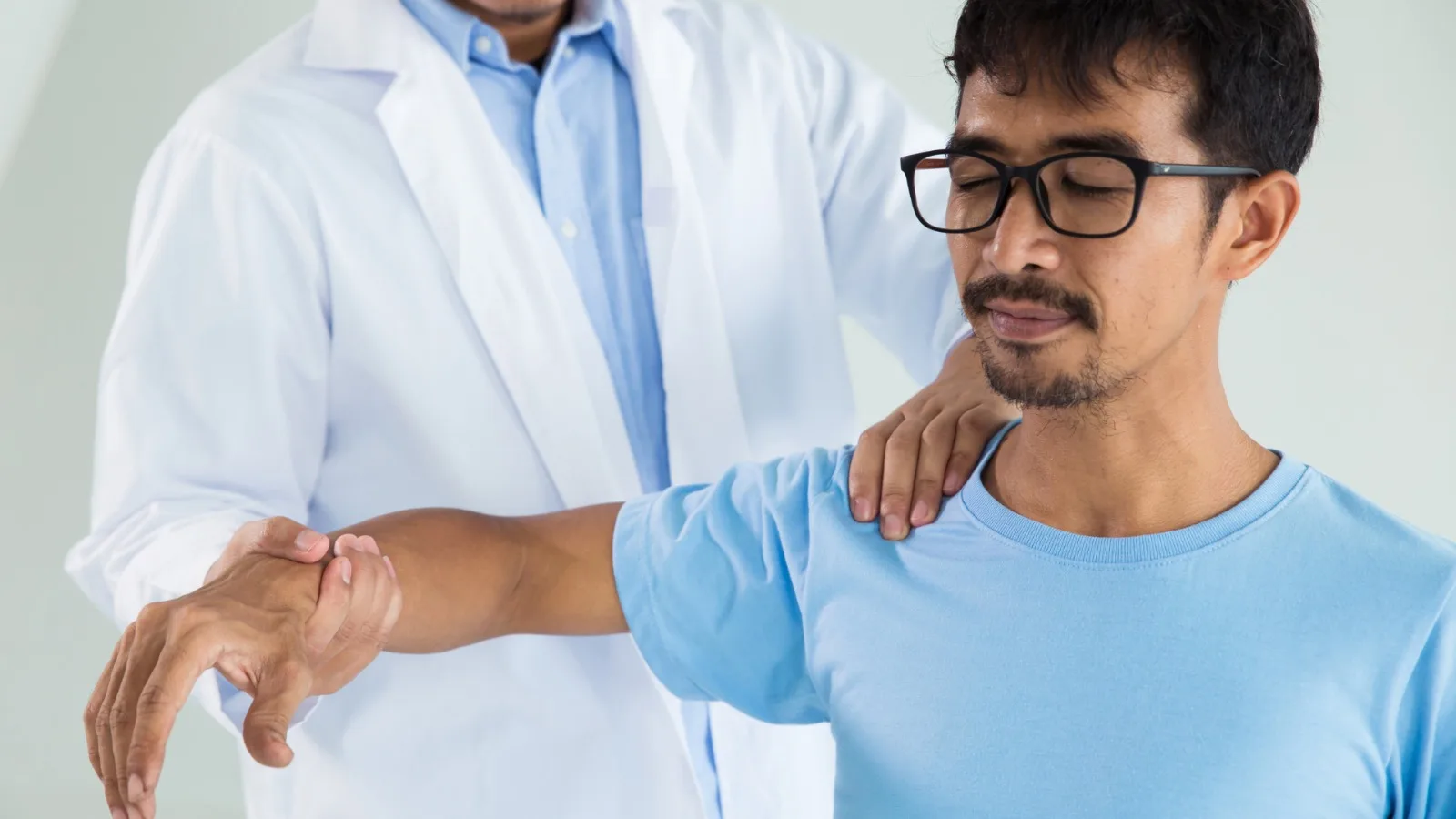
Your musculoskeletal system bones, joints, muscles, and ligaments, enables movement and daily functioning. If pain is limiting your ability to climb stairs, walk comfortably, sleep well, or work normally, your body may be signaling an underlying orthopedic issue that warrants medical evaluation.
Read More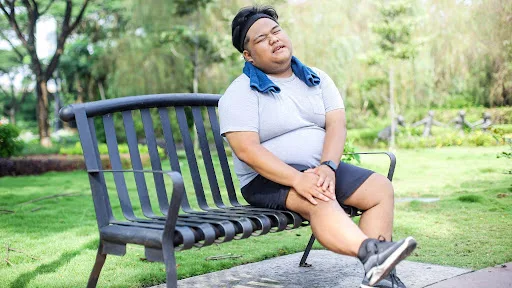
Excess body weight increases the load placed on joints, particularly the knees, hips, and lower back. Over time, this added stress can worsen pain, stiffness, and joint degeneration, especially during activities like walking, climbing stairs, or prolonged standing.
Read More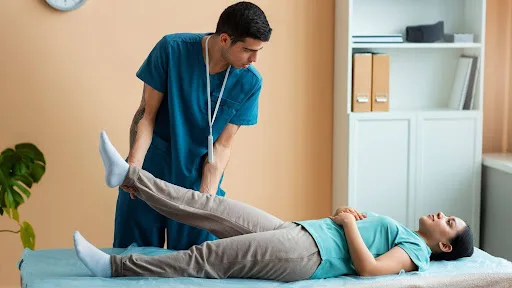
Most athletes can return to sports within 3-6 months following a structured rehabilitation timeline. The timeline depends on injury severity: mild sprains (3-6 weeks), moderate sprains/partial tears (2-3 months), severe tears/reconstructions (4-6+ months).
Read More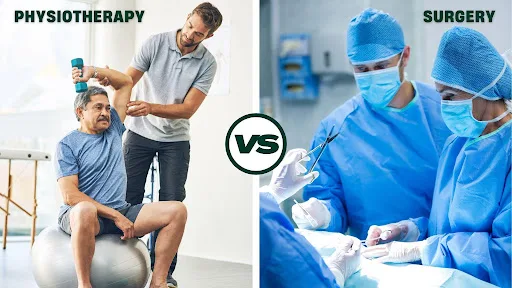
Most orthopedic conditions benefit from conservative treatment with physical therapy before considering surgery. Physiotherapy is non-invasive and has a faster recovery than post-surgical rehabilitation.
Read More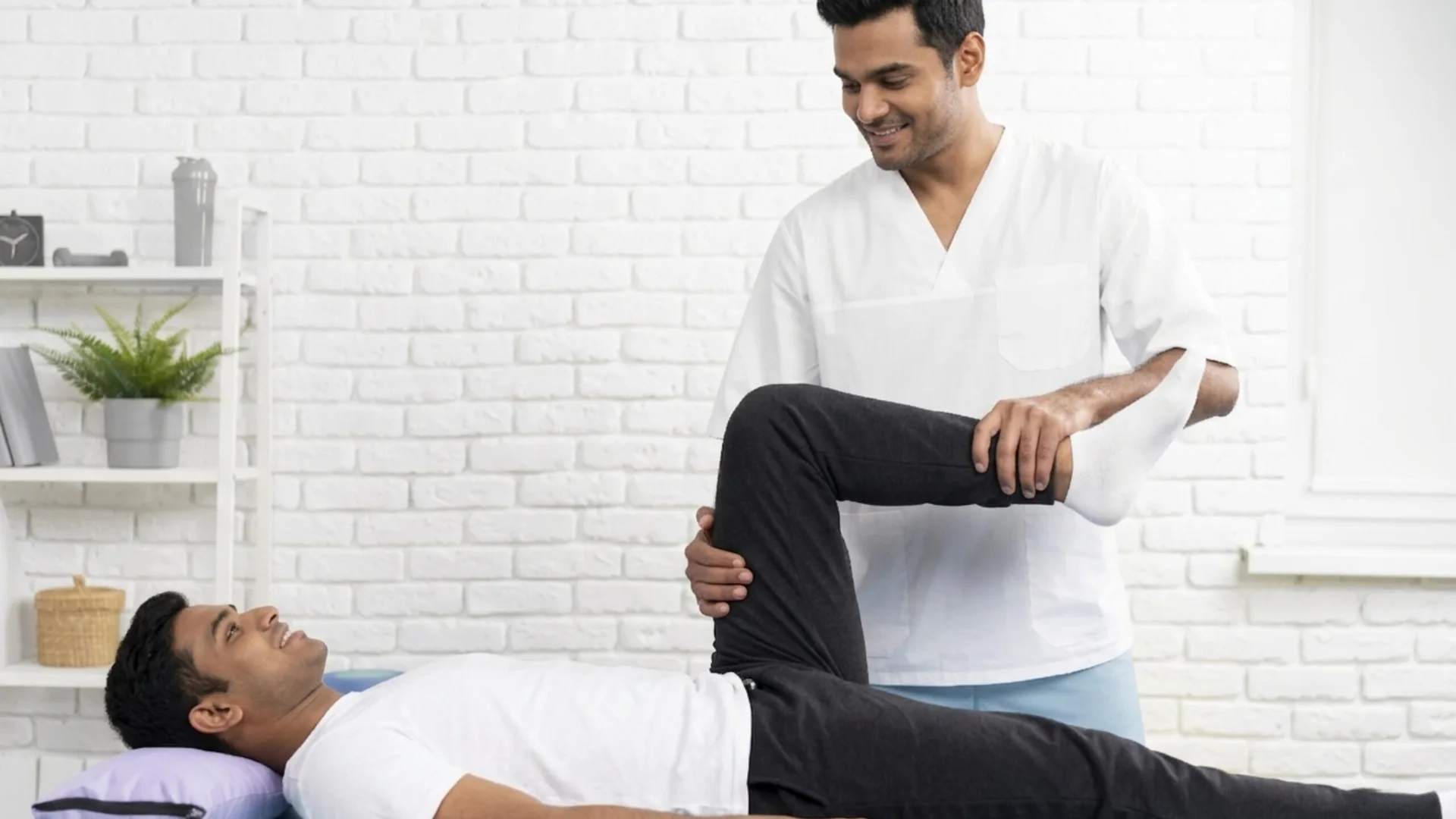
Exercises to be avoided in case of osteoarthritis include high-impact activities (running, jumping), deep squats, full lunges, leg presses, and plyometrics, which load the damaged joint. These increase pain, inflammation, and cartilage breakdown.
Read More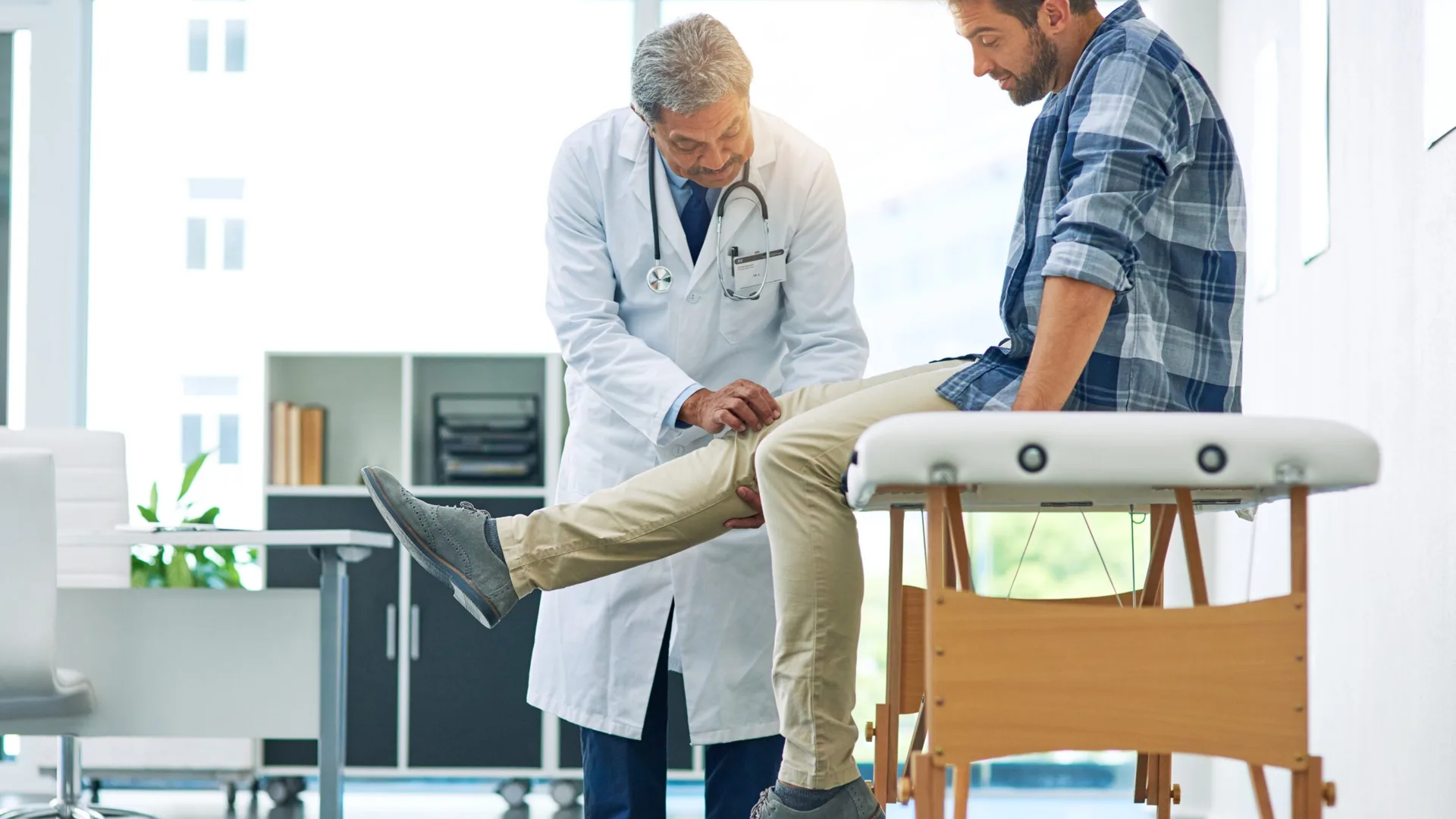
Morning knee pain is caused by decreased synovial fluid circulation during sleep, which reduces joint lubrication and allows inflammation to accumulate overnight. Common culprits include osteoarthritis, meniscus tears, weak stabilizer muscles, sleep positioning, bursitis, and rheumatoid arthritis.
Read More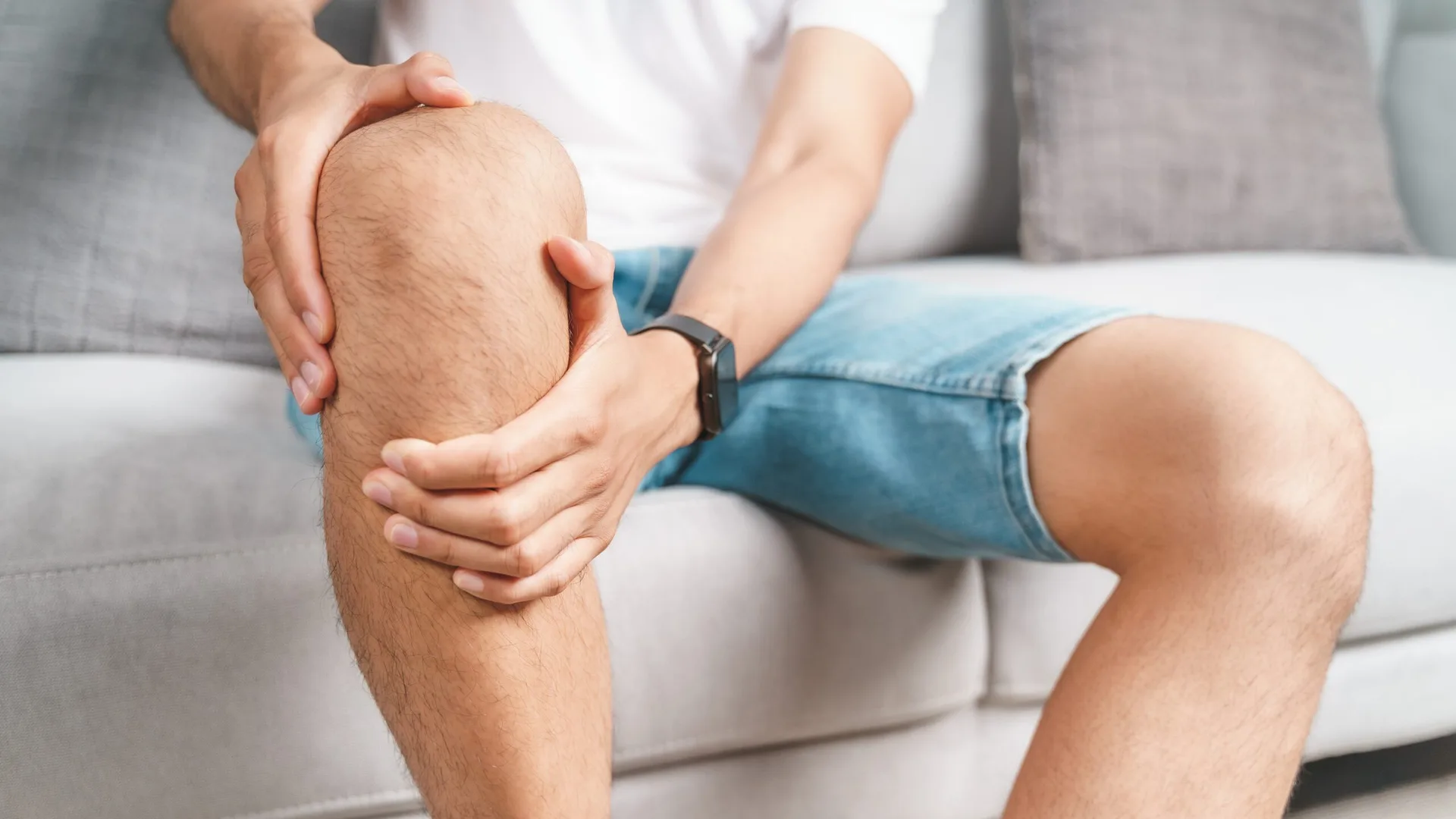
Knee arthritis can improve. You won’t regrow damaged cartilage completely, but the right combination of regenerative therapy, physical therapy, and weight management can halt progression and cut symptoms in half within 3-6 months.
Read More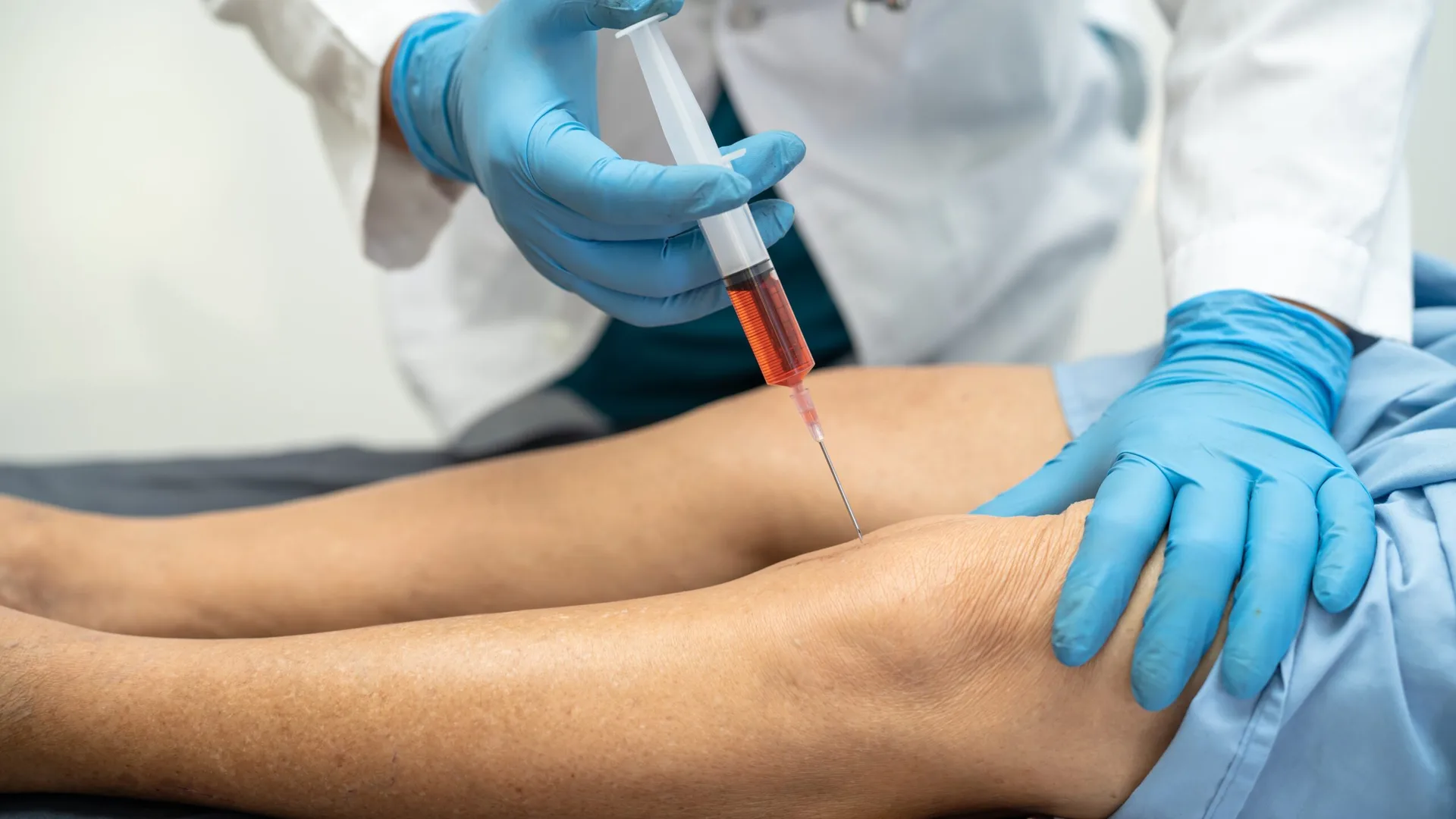
PRP (platelet-rich plasma) therapy takes a small sample of your blood, concentrates the platelets to 5-10 times their normal level, and injects that concentrated plasma directly into a damaged joint or tendon. The platelets carry growth factors that trigger your body’s natural repair process, reducing inflammation and rebuilding tissue.
Read More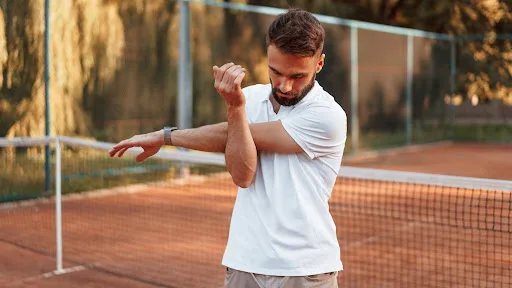
Tennis elbow, known as lateral epicondylitis, is a condition characterized by pain and inflammation on the outer aspect of the elbow. It typically arises from overuse of the forearm muscles and tendons and is common in individuals who engage
Read More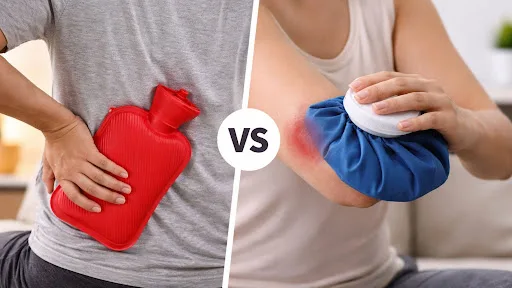
Ice and heat are both effective pain relief methods for musculoskeletal injuries, but using the wrong one at the wrong time can make things worse. Ice works best in the first 48–72 hours of an acute injury to reduce swelling
Read More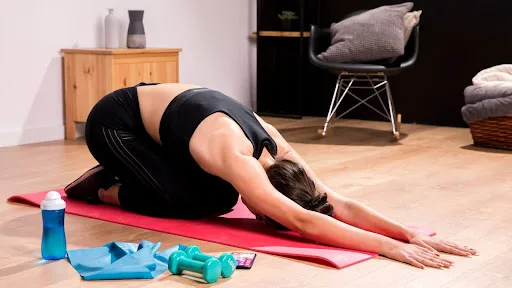
Back pain is one of the most common conditions affecting people of all ages, ranging from mild discomfort to severe pain. Whether it’s caused by muscle strain, poor posture, prolonged sitting or other factors.
Read More
PRP (platelet-rich plasma) and GFC (growth factor concentration) therapy work by using your body’s own healing response to repair damaged tissue. They are effective treatments.
Read More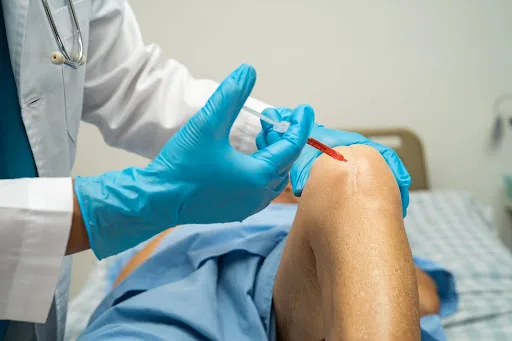
Joint pain can stem from a range of causes such as arthritis, sports injuries, age-related wear and tear, or simply years of repeated stress on a joint. Whatever the cause, the symptoms tend to follow a familiar pattern: stiffness in the morning, swelling that comes and goes
Read More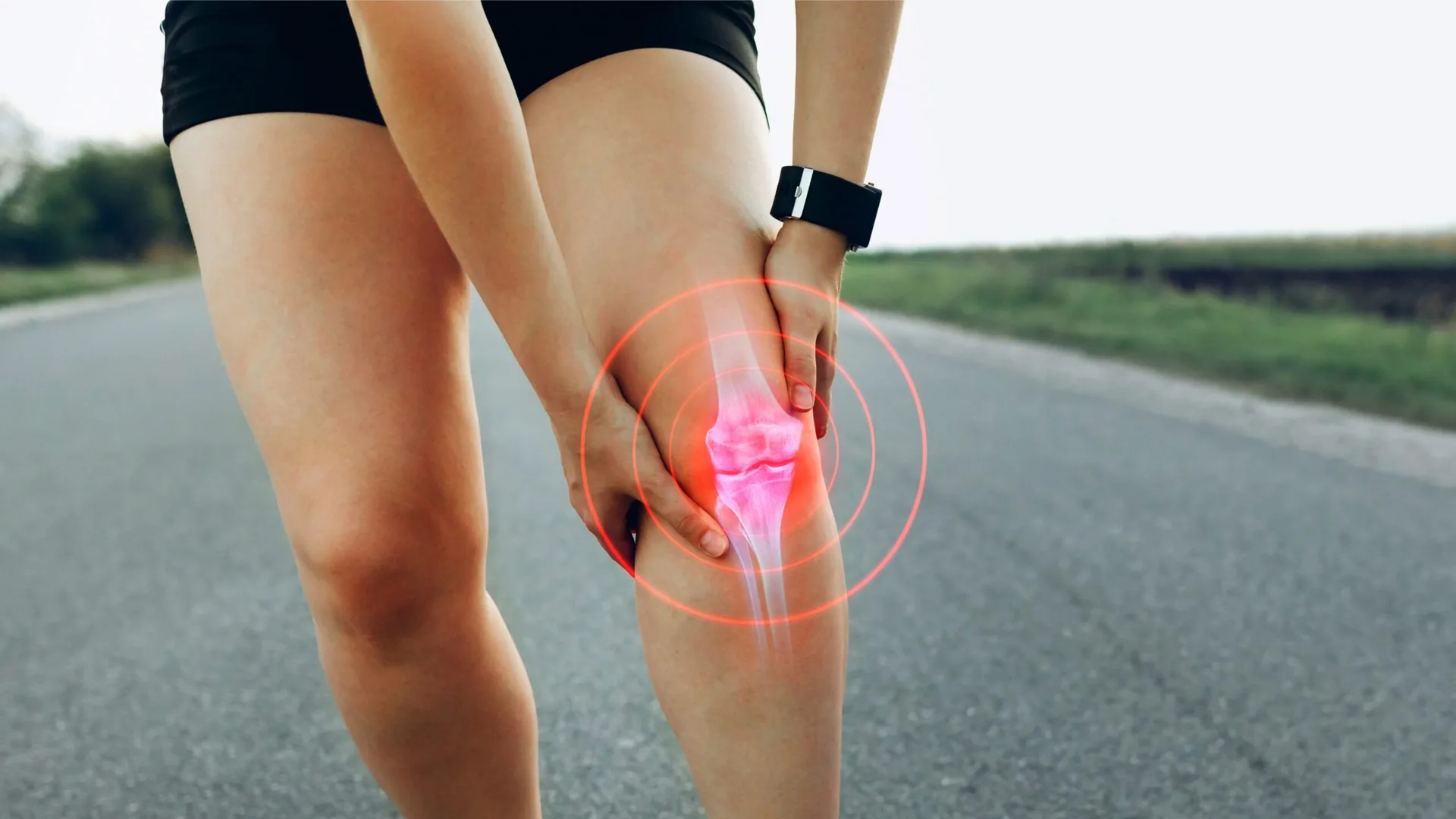
If you’ve ever torn a ligament or strained a tendon, you know how frustrating the recovery can be. Weeks turn into months. Painkillers help temporarily but don’t fix anything. Physiotherapy works, but progress feels slow. And surgery? That’s a whole different conversation, long downtime, rehabilitation, and no guarantee you’ll perform the same way again.
Read More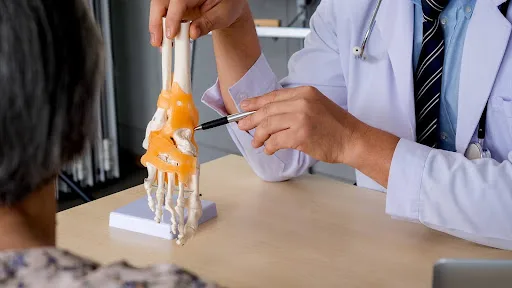
When joint pain begins affecting daily function, treatment becomes necessary. The question shifts from whether to treat, to which treatment pathway makes the most sense.
Read More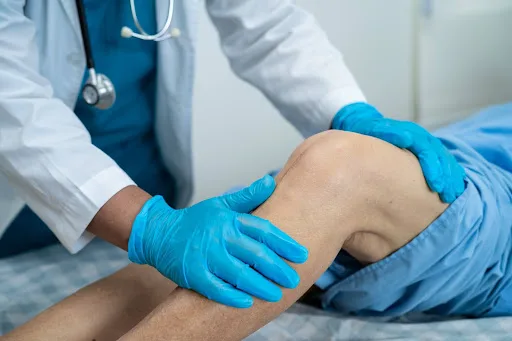
Joint pain, particularly in the knee, represents one of the most common complaints in orthopaedic practice. The decision between pursuing regenerative therapies versus proceeding with knee replacement surgery deserves careful consideration.
Read More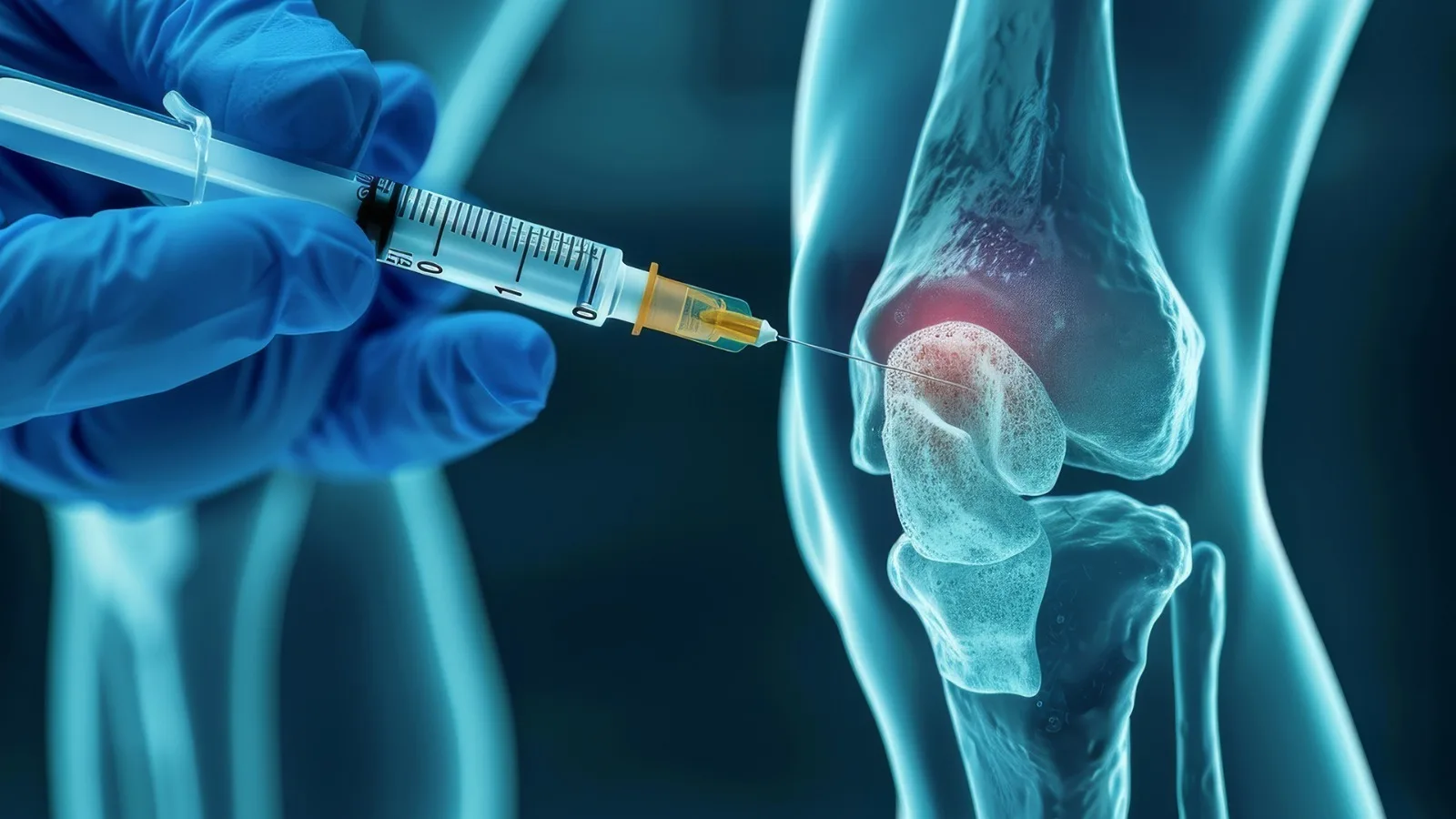
What do weekend cricketers, marathon runners, and gym enthusiasts all have in common? At some point, they’ve all dealt with an injury, which is sometimes unavoidable. One wrong move and a muscle gives out, a joint swells up or yesterday’s knee becomes a problem for today.
Read More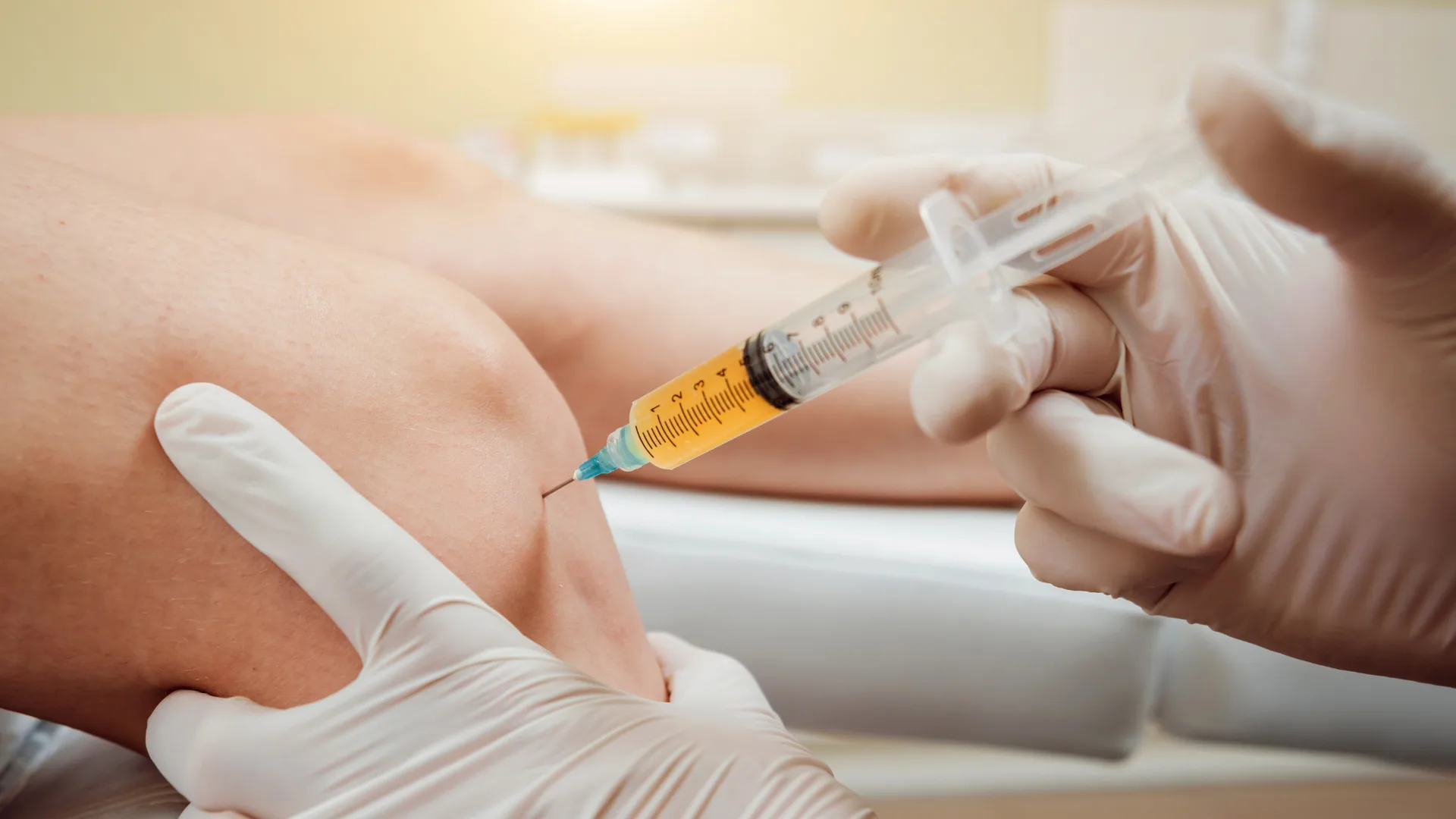
PRP injection for knee pain has emerged as a valuable treatment option for early-stage “arthritis” for people who don’t need dealing with knee osteoarthritis who aren’t ready for surgery. Platelet Rich Plasma “PRP” therapy takes your own blood, spins it down to concentrate the healing platelets and injects that directly into your damaged joint.
Read More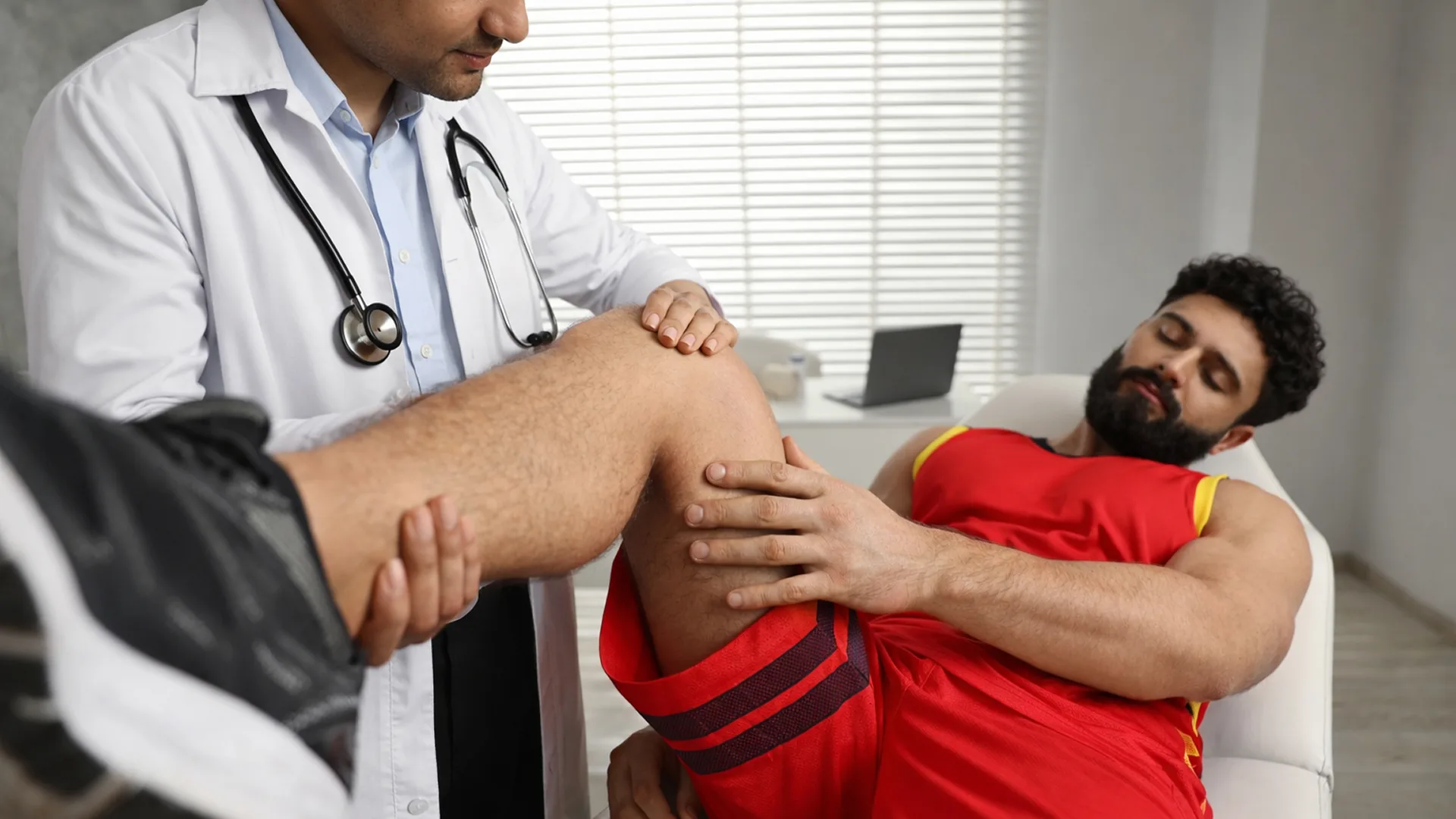
What do weekend cricketers, marathon runners, and gym enthusiasts all have in common? At some point, they’ve all dealt with an injury. It’s almost unavoidable. When you move your body regularly, things occasionally go wrong. A muscle gives out. A joint swells up. Something that felt fine yesterday suddenly hurts today. But injuries don’t have to derail your fitness journey. Most sports injuries are preventable with the right habits. And when they do occur, proper care makes recovery faster and smoother. This blog walks you through everything common sports injuries, why they happen, how to treat sports injuries, and ways to keep yourself protected.
Read More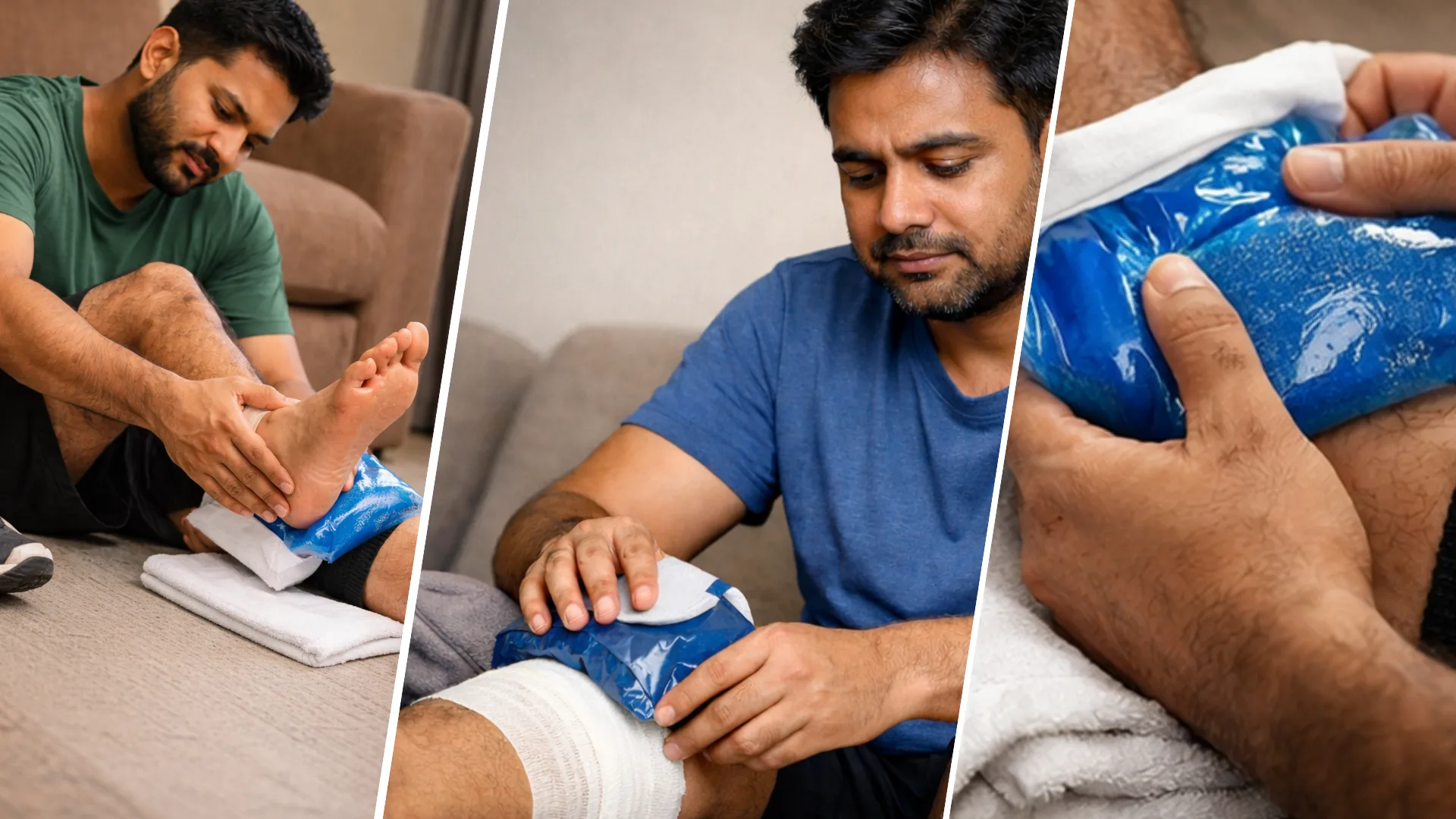
Sports and physical activities are an excellent way to maintain your mental well-being and physical fitness but no matter how careful you are, injuries can still happen. Maybe your ankle got twisted or a muscle got pulled. The challenge lies in the conflicting advice that surrounds your sports injury treatment. You get different opinions from everyone you ask. One person says rest it completely. Another says keep it moving, whereas your physio recommends POLICE. Your coach still swears by RICE. And now you are just standing there with an ice pack.
Read More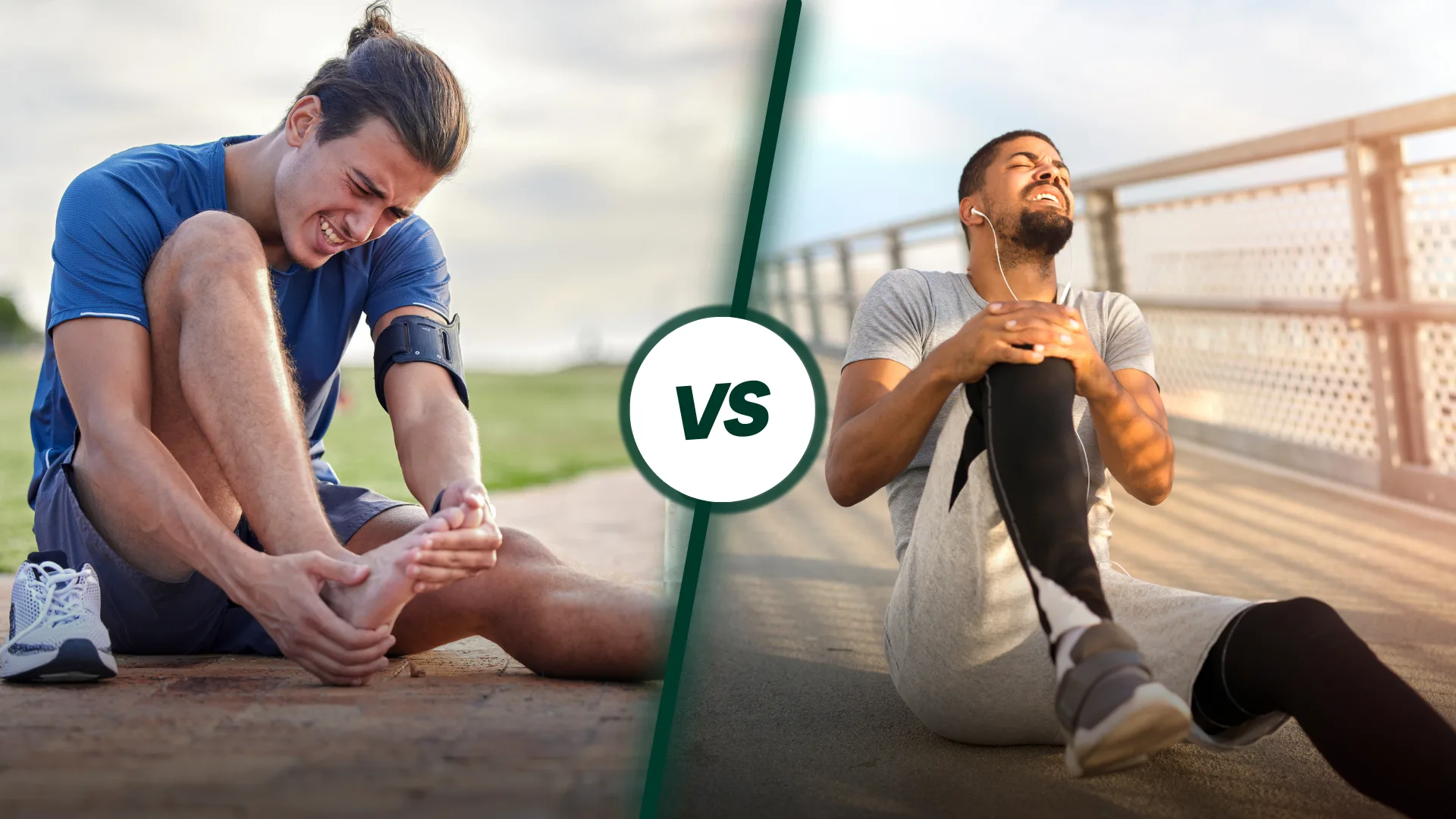
Here’s the thing about sports injuries that nobody really explains properly. Not all injuries are created equal, and the way you treat them depends entirely on whether you’re dealing with an acute injury or a chronic one. Get this wrong and you could end up making things way worse than they need to be.
Read More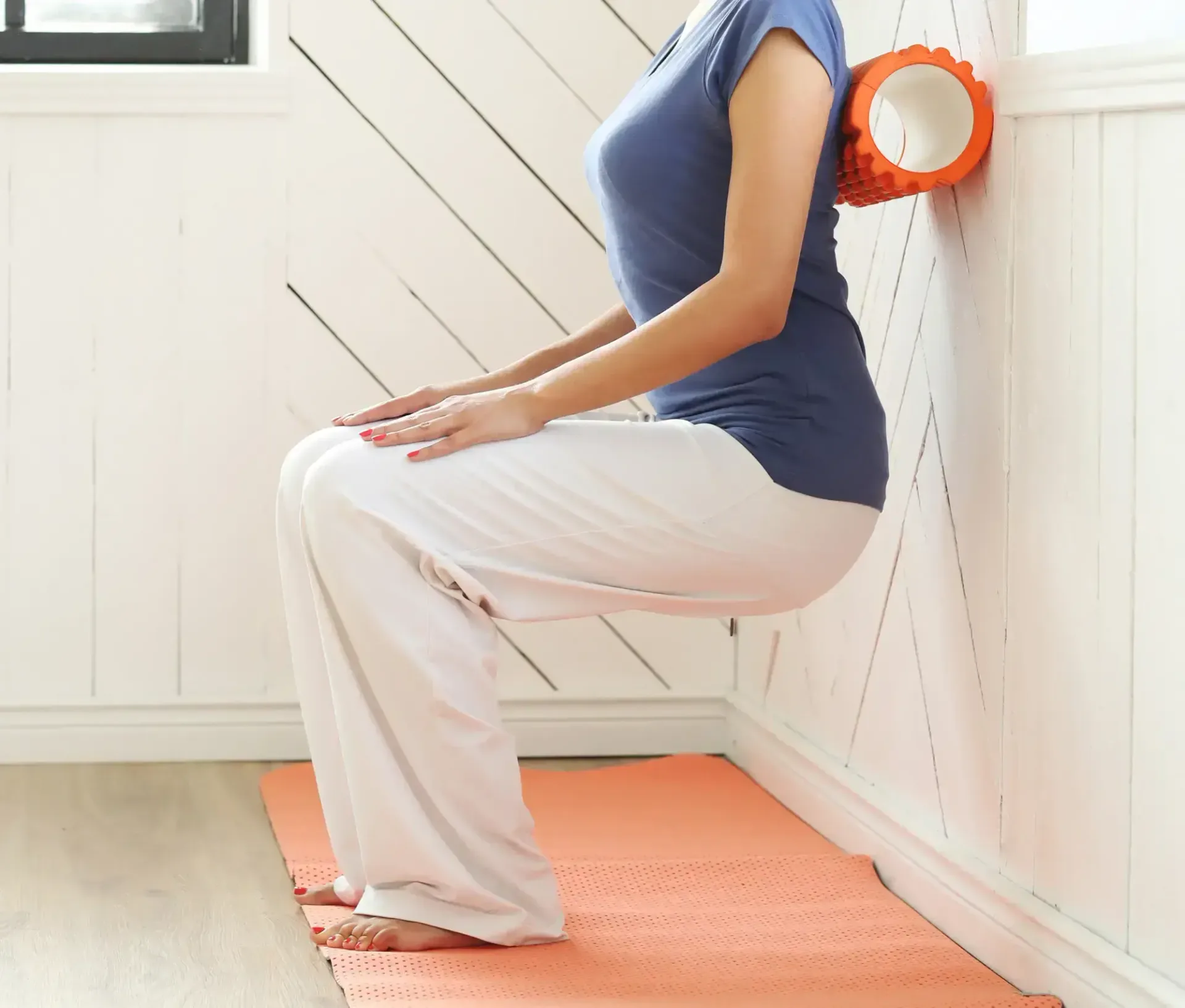
Anterior cruciate ligament (ACL) injuries are common among athletes and active individuals, often resulting from high-impact sports that involve sudden stops and changes in direction. Following an ACL injury or surgical reconstruction, a structured rehabilitation program is essential for restoring knee function, strength, and stability.
Read More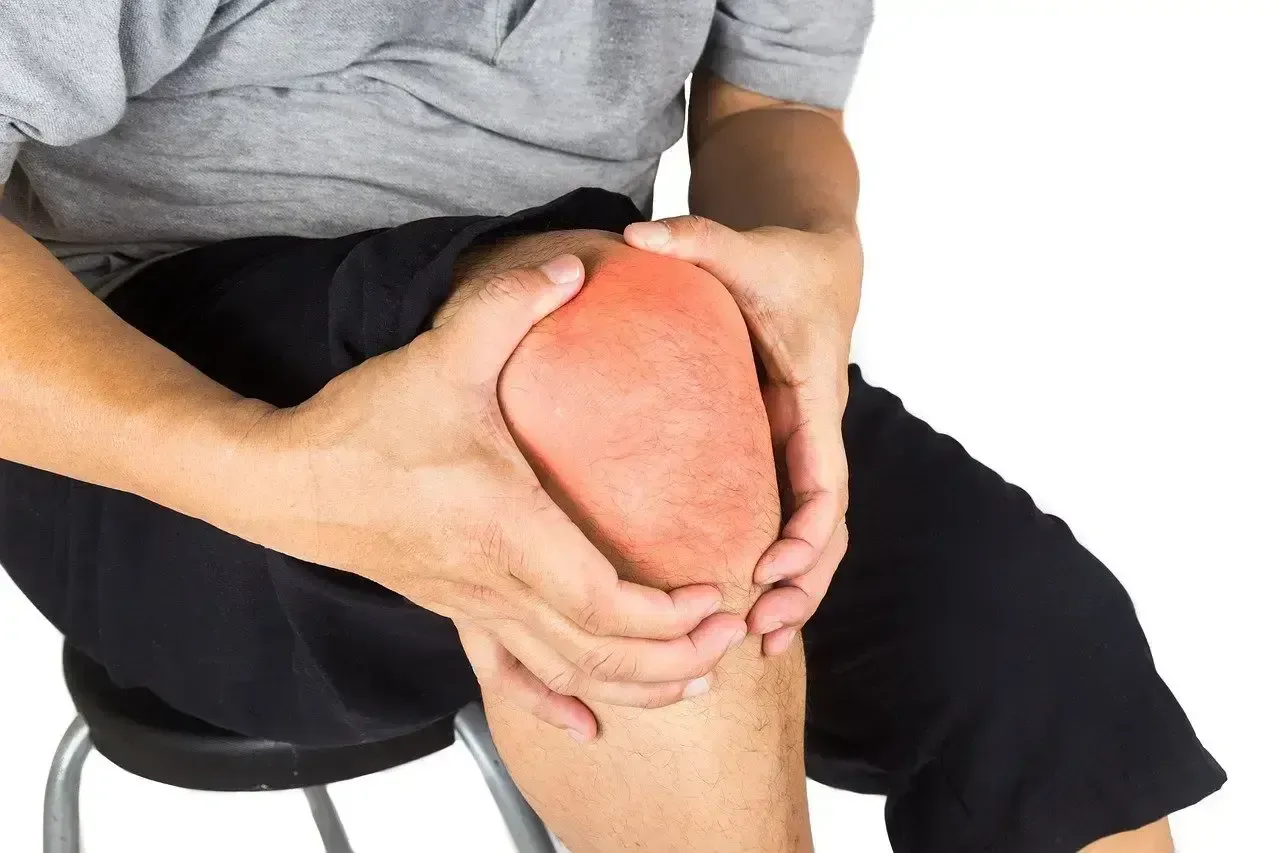
Meniscal injuries are common knee problems that can lead to significant pain and functional limitations. The meniscus, a C-shaped cartilage in the knee, acts as a shock absorber, providing stability and cushioning during movement. When injured, whether through trauma or degeneration, rehabilitation becomes essential for recovery.
Read More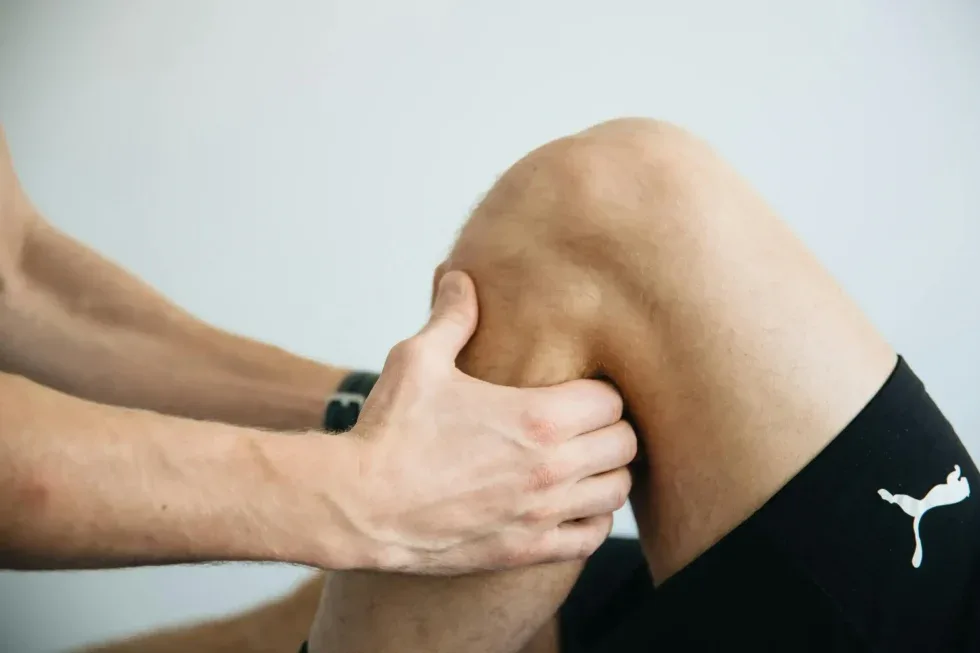
Knee pain is one of the most common musculoskeletal complaints, and while many cases improve with rest, physical therapy, or medication, there are times when knee surgery becomes a necessary option. Knowing when to seek a doctor’s evaluation for possible knee surgery can help prevent long-term damage and restore a better quality of life.
Read More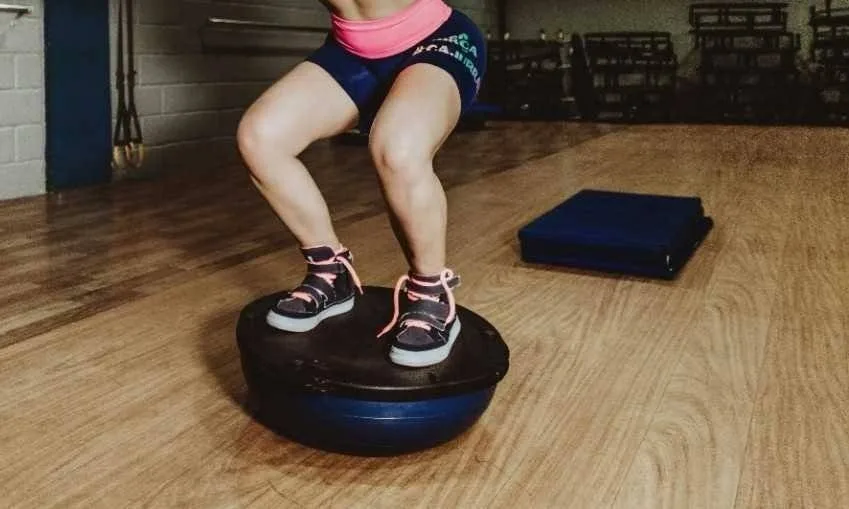
Low back pain (LBP) is one of the most common health problems worldwide. It can range from a dull ache to sharp, debilitating pain that interferes with daily activities like sitting, walking, or bending.
Read More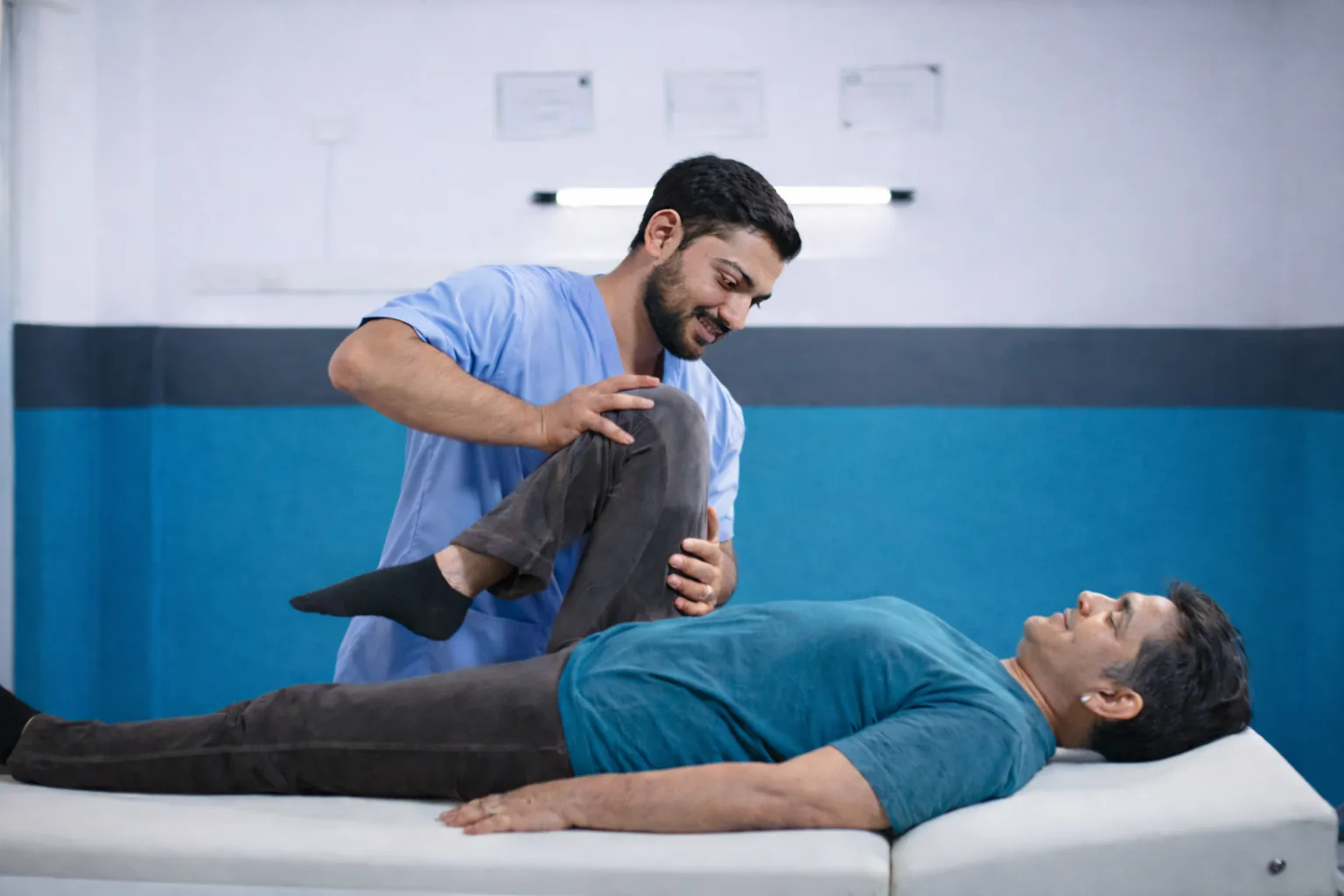
Medial collateral ligament (MCL) injuries are common knee injuries that can lead to pain, instability, and difficulty with mobility. The MCL is located on the inner side of the knee and plays a crucial role in stabilizing the joint during movement.
Read More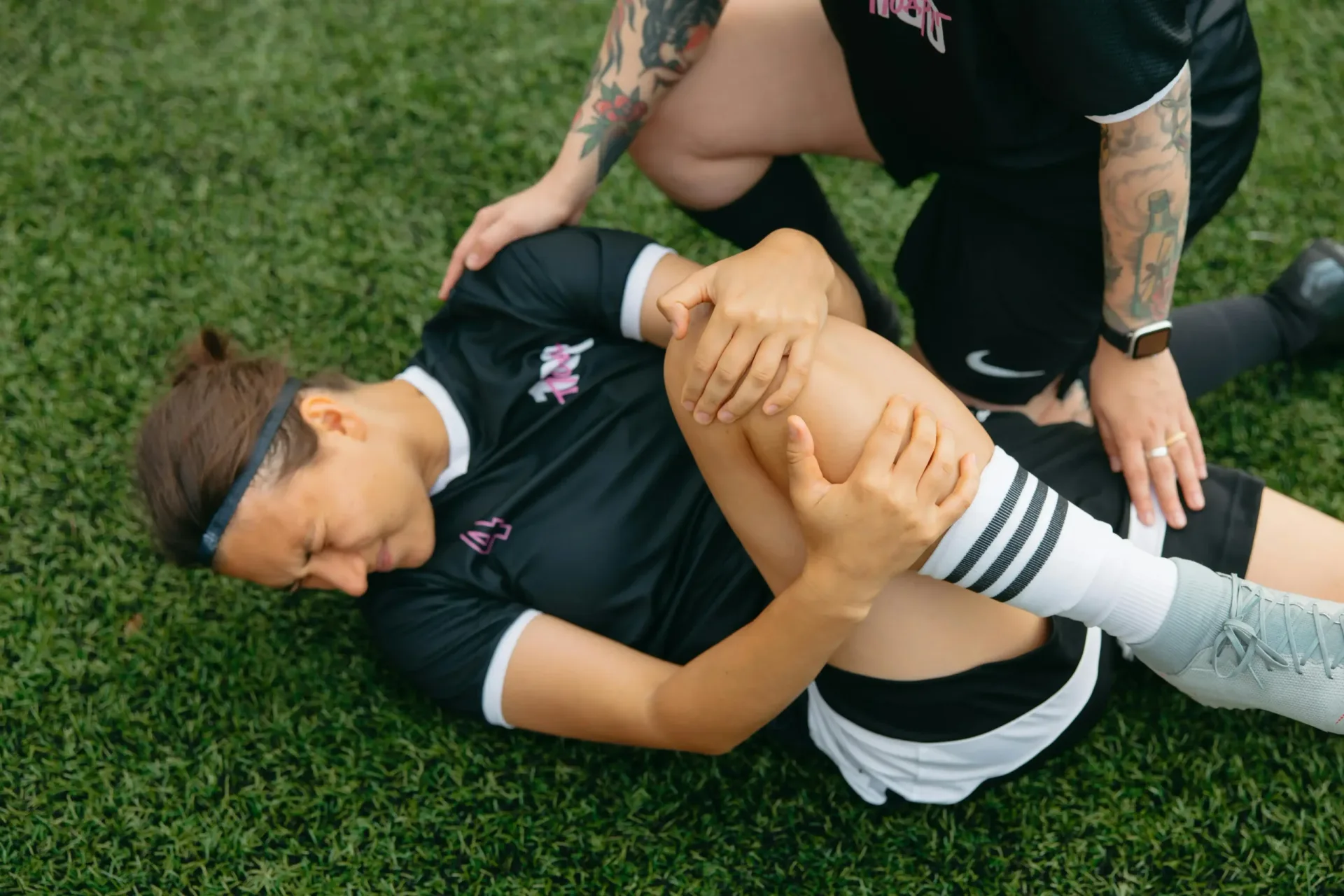
Anterior cruciate ligament (ACL) injuries are common, especially among athletes and active individuals. These injuries can lead to significant pain, instability, and a loss of function in the knee.
Read More
Low back pain (LBP) is a common ailment that affects individuals of all ages and lifestyles. It can arise from various factors, including muscle strain, poor posture, and sedentary behaviour. LBP can significantly impact daily activities, work performance, and overall quality of life.
Read More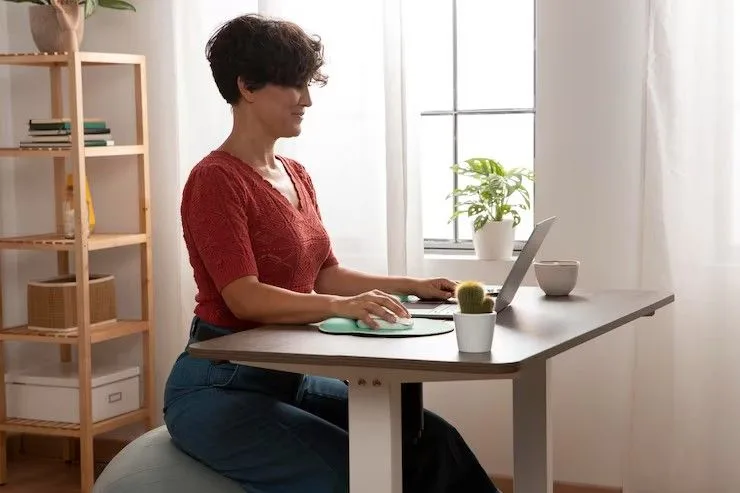
Low back pain (LBP) is a prevalent condition that affects millions of people worldwide. It can result from various factors, including poor posture, improper ergonomics in the workplace, and physical inactivity. LBP not only causes discomfort but also impacts daily activities,
Read More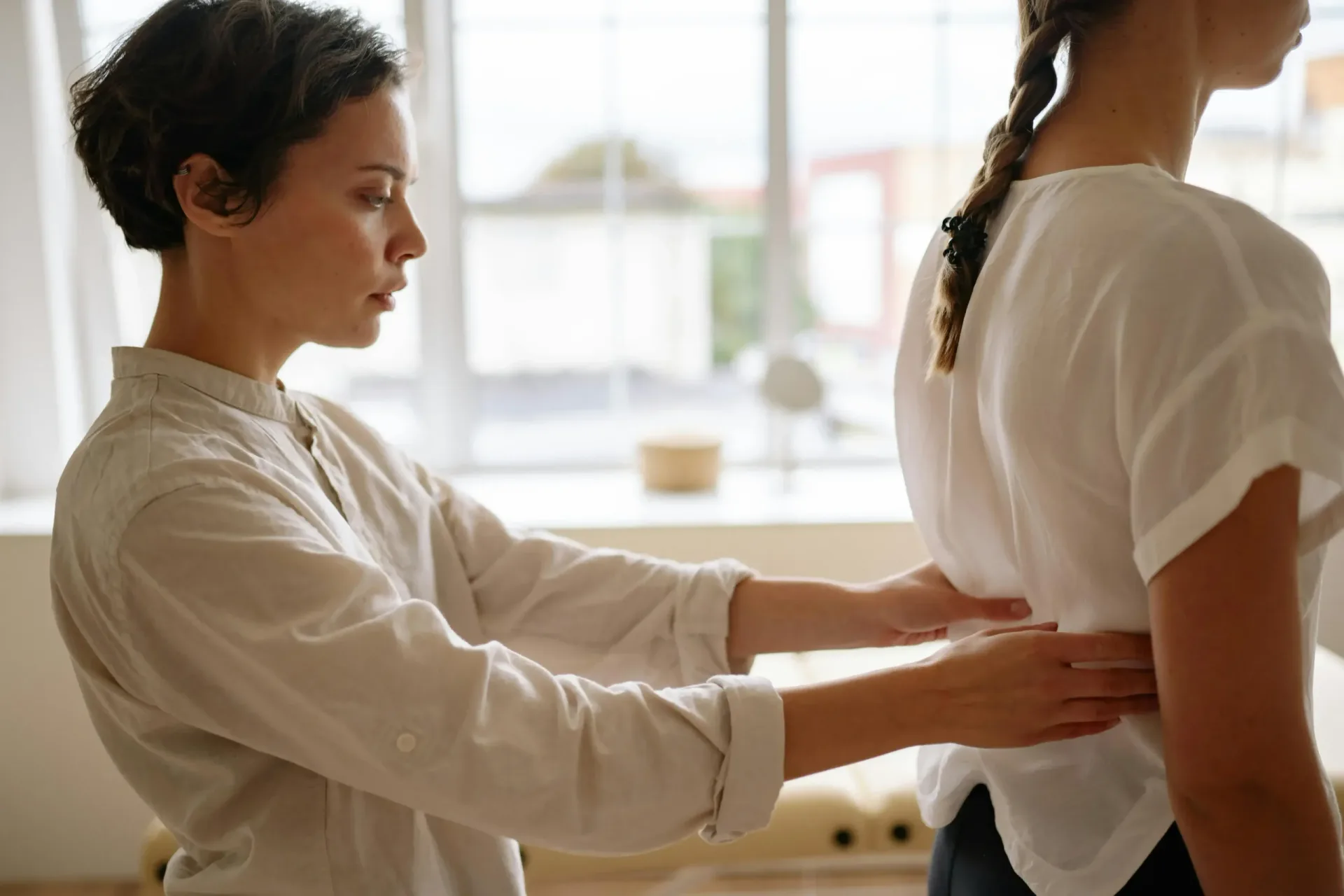
Low back pain (LBP) is one of the most common health problems worldwide. It can range from a dull ache to sharp, debilitating pain that interferes with daily activities like sitting, walking, or bending. LBP affects people of all ages and is a leading cause of disability and missed workdays.
Read More
Low back pain (LBP) is one of the most common musculoskeletal disorders, affecting millions of people globally. It can range from mild discomfort to debilitating pain, significantly impacting daily activities and quality of life.
Read More