1
Age-Related Wear
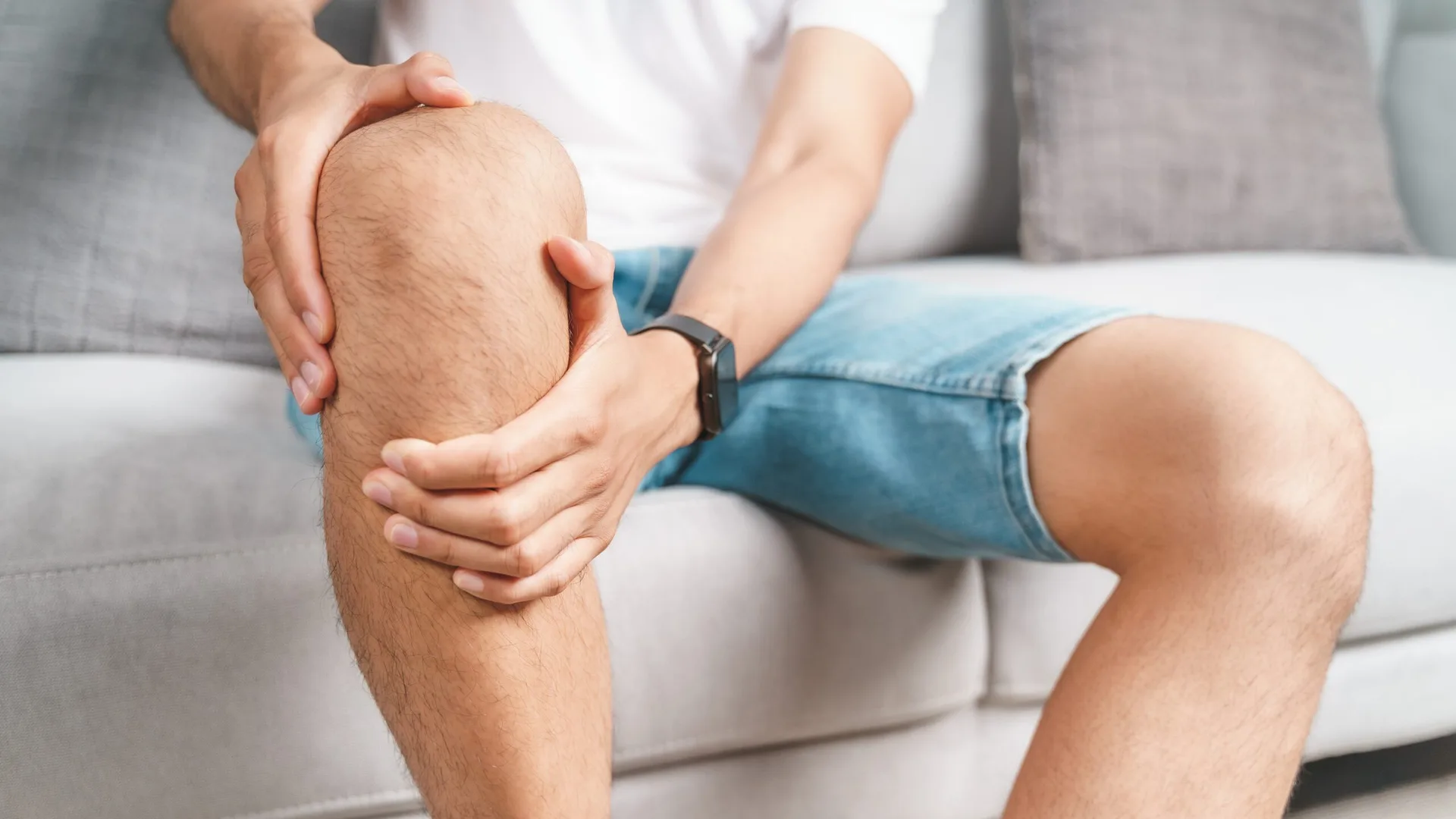
Cartilage gradually wears down over the years, particularly after the age of 40, or sooner with a sedentary lifestyle.

Protect your natural joint with advanced regenerative orthopaedics at OSSO
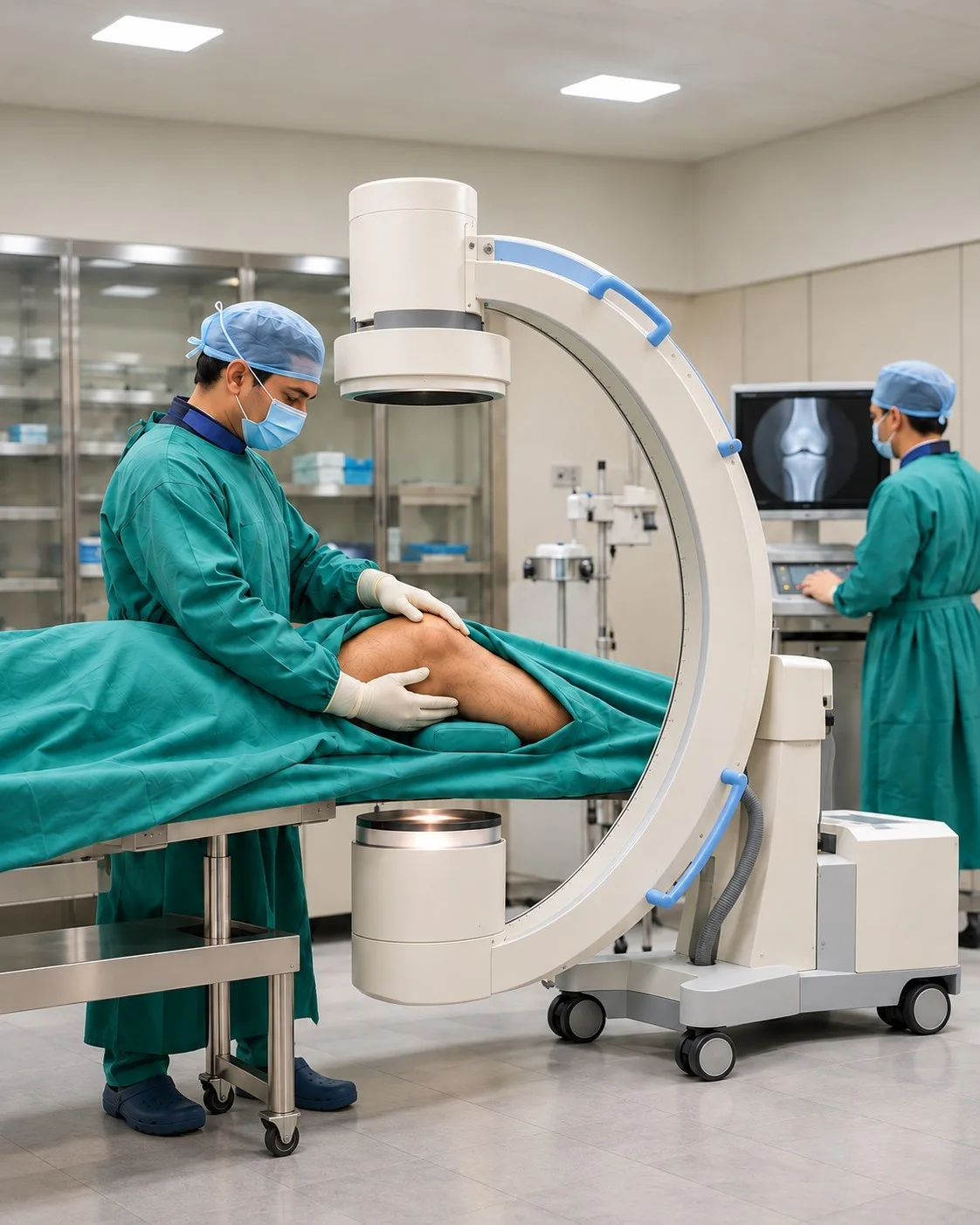
Treat joint damage early and keep your own joint working longer. At OSSO, joint preservation focuses on delaying or avoiding replacement through the gentlest effective care, from strengthening and inflammation control to regenerative treatment and structured rehabilitation.
We care for everything from early joint wear to focused cartilage damage. Book your appointment today with our orthopaedic specialists at OSSO for comprehensive care and advanced solutions to protect your natural joints.
Joint preservation is an approach to joint care that aims to keep your natural joint working and delay or avoid replacement by treating the problem early and in the right order.
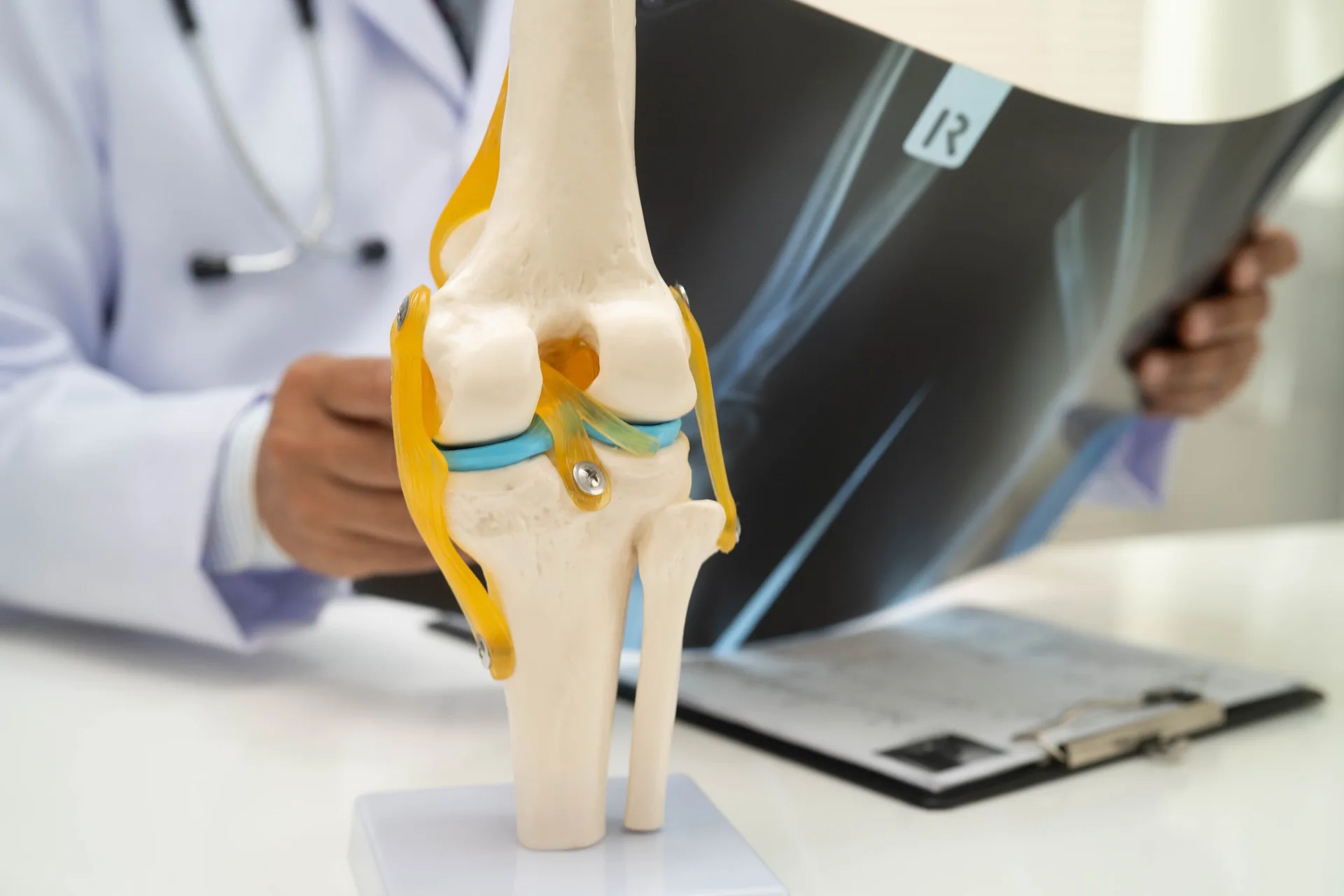
Rather than waiting until replacement becomes unavoidable, joint preservation asks a different question: what is the gentlest effective way to protect this joint and keep you moving? Depending on your condition, the answer may involve strengthening the muscles that support the joint, calming inflammation, supporting repair with your body's own healing mechanisms, or rebuilding damaged cartilage so your natural joint stays in place.
It works best when started early. Joints with early to moderate wear, partial tears or focused cartilage damage have far more options than joints that are completely worn out. That is why a proper diagnosis comes first at OSSO, always.
Joint preservation is most often used for the knees and hips.
Understanding what puts your joints under strain helps you act early, before damage becomes harder to manage.
1
Cartilage gradually wears down over the years, particularly after the age of 40, or sooner with a sedentary lifestyle.
2
Earlier fractures, ligament or meniscus tears, and activities that repeatedly strain the joint can speed up cartilage damage.
3
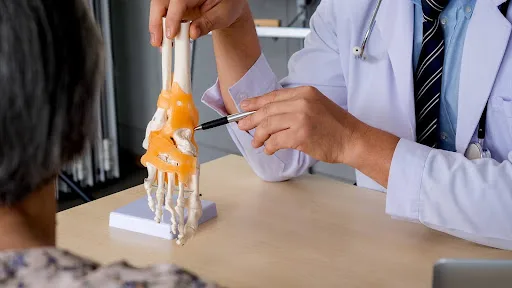
Poor alignment, weak muscles or other musculoskeletal differences place extra stress on a joint and can make wear progress faster.
4
A family history of arthritis, together with factors like gender, occupation, activity levels, diet and bone density, raises the risk. This is why early diagnosis matters.
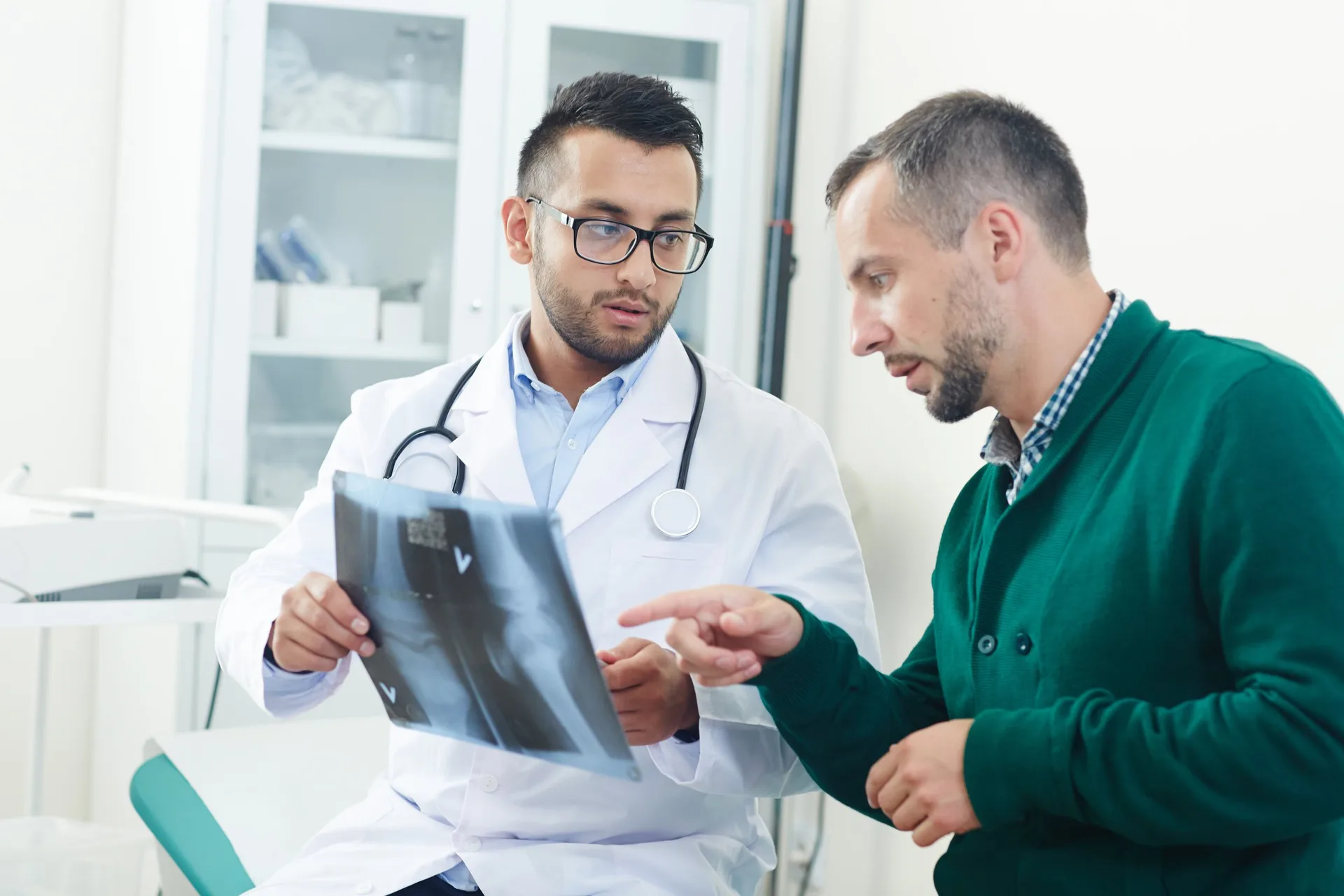
If you notice persistent discomfort or reduced mobility, recognising these common signs can help you seek care early.
Pain or aching during activity, after long periods of movement or at the end of the day

Morning stiffness, or stiffness after resting

Limited range of motion that eases gradually with movement
Clicking, grinding or popping when the joint bends
Swelling around the joint

Weakness or instability, including a joint that gives way or "buckles"
These signs call for a timely evaluation, particularly if they affect everyday activities.
These patterns often suggest that protecting your joint is worth exploring.
Pain, stiffness or grinding, but the joint is not yet bone-on-bone.
Consider getting a second opinion to see if preservation is still an option, especially if you are under 65–70. A replacement joint typically lasts around 15 years, so having one done too early may mean a revision surgery later in life.
Damage in one area of an active, younger knee, rather than widespread arthritis.
Or chronic tendinopathy that has not settled with rest, medication or basic physio.
Early AVN of the hip or knee, where the aim is to keep the joint.
You want to keep walking, running, playing sport or travelling without limits.
OSSO offers many treatment options for joint preservation, and the three below are the most commonly used. A personalised, evidence-based step-up approach is followed: treatment starts with the most conservative option and moves up only when clinically necessary. Every plan is chosen after a doctor's diagnosis and reviewed against measurable markers.
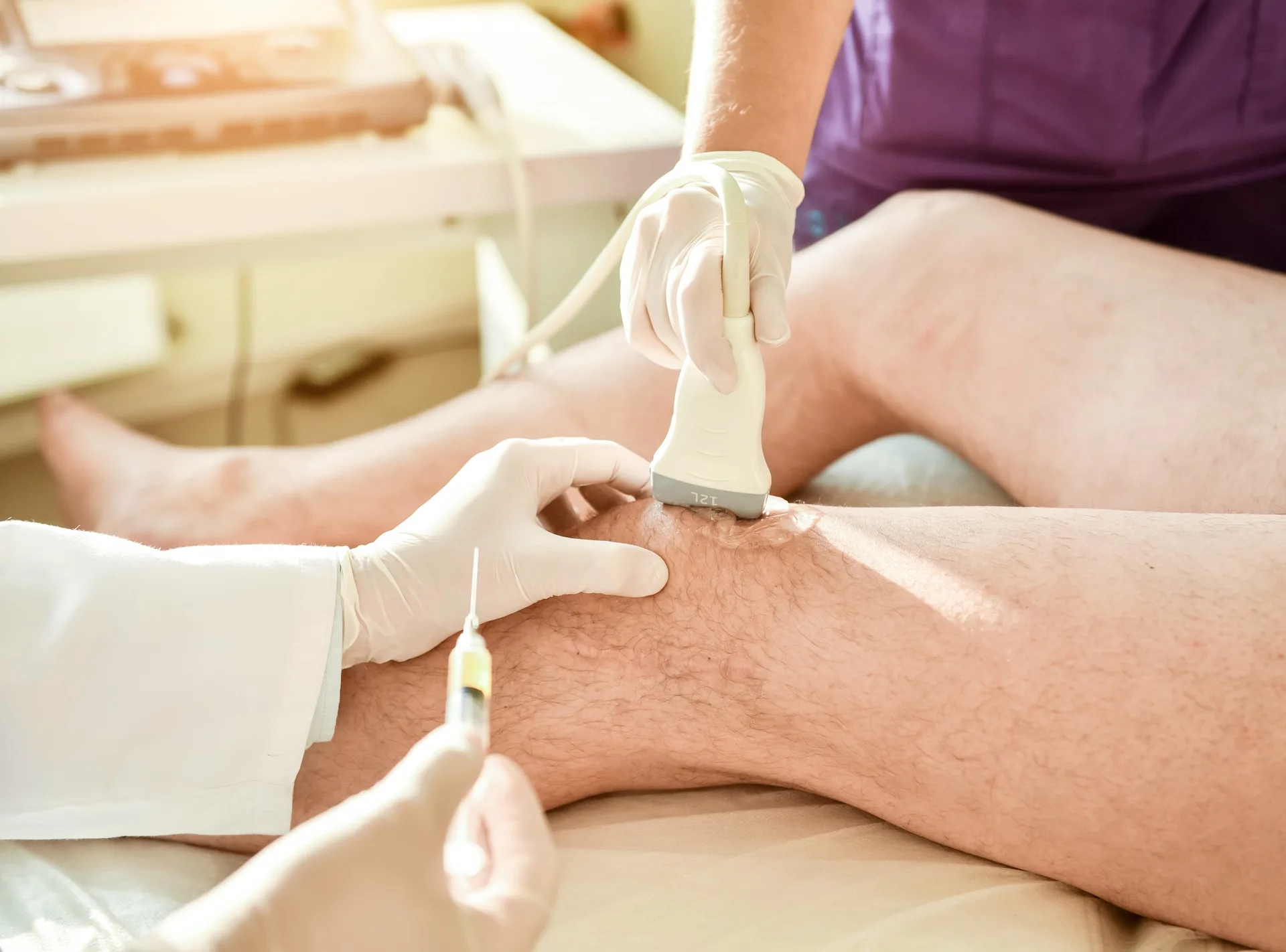
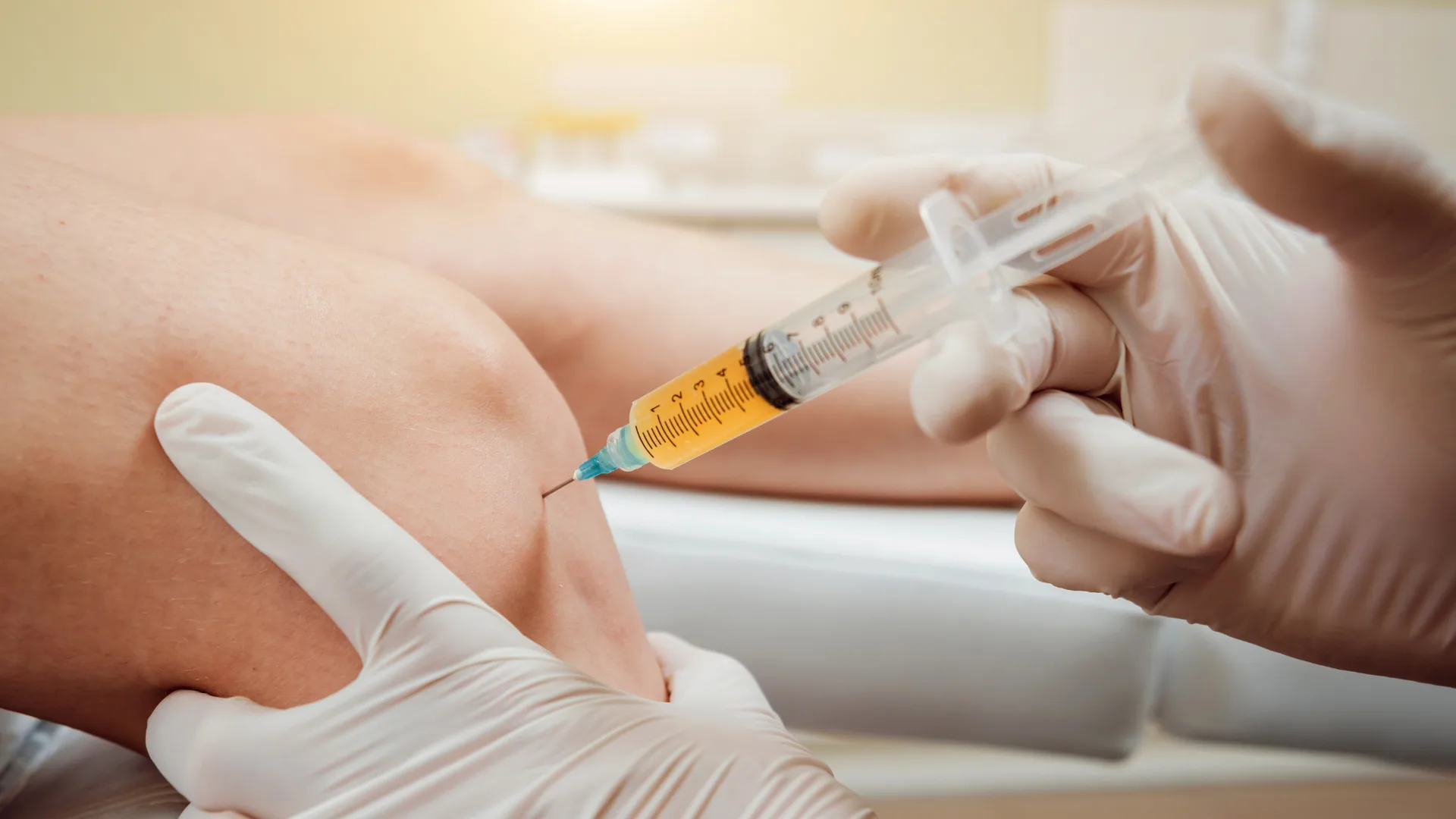
Orthobiologics use your own blood or bone marrow to support healing in cartilage, tendons, and ligaments. At OSSO, these include PRP (Platelet-Rich Plasma), GFC (Growth Factor Concentrate), BMAC (Bone Marrow Aspirate Concentrate), and mesenchymal stem cell therapy. They are delivered under ultrasound (USG) or C-arm guidance, so the treatment reaches the exact area that needs it.
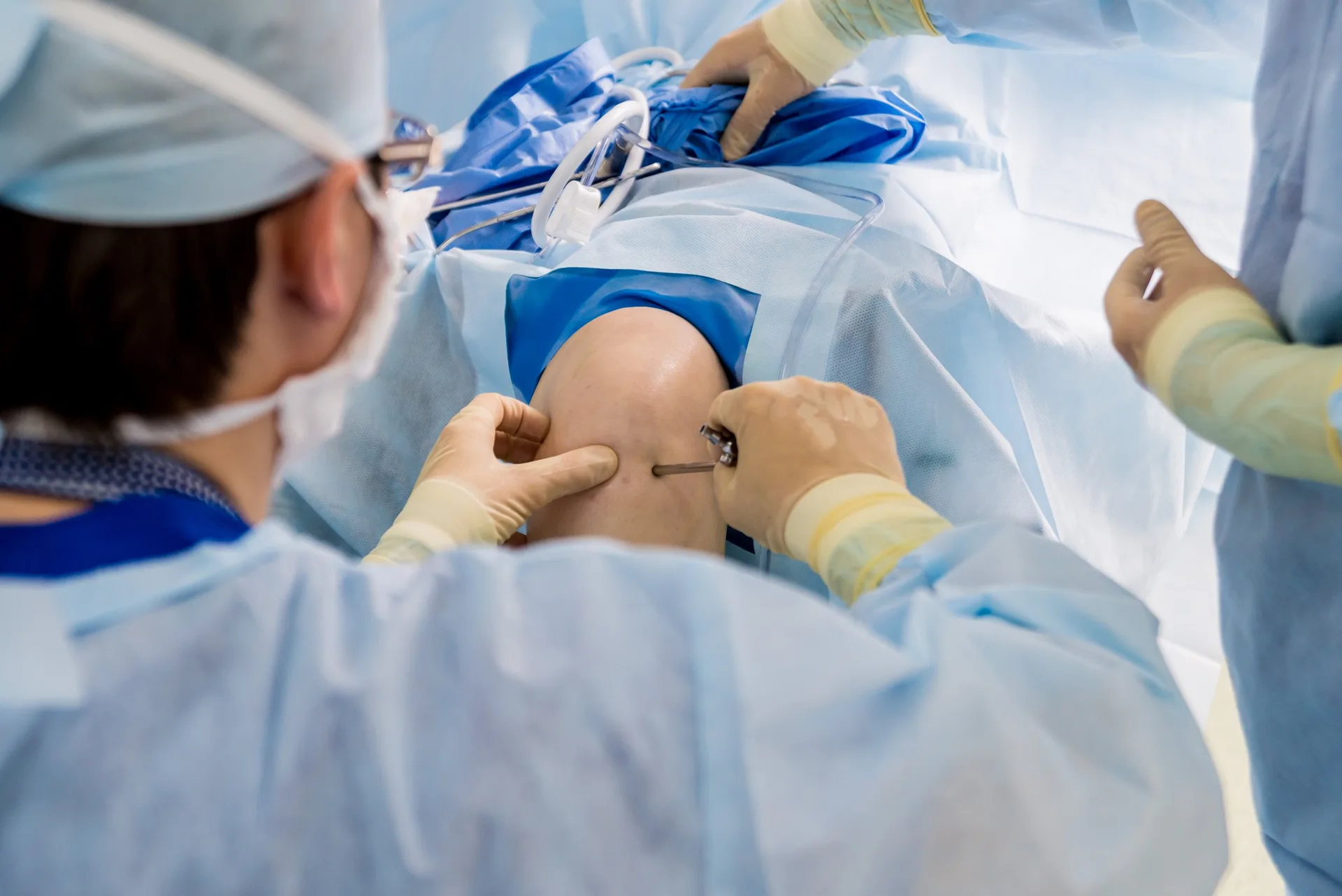
Pain in an arthritic joint does not always come from the cartilage alone. The bone just beneath the cartilage, the subchondral bone, can develop bone lesions. Subchondral BMAC treats that bone directly.
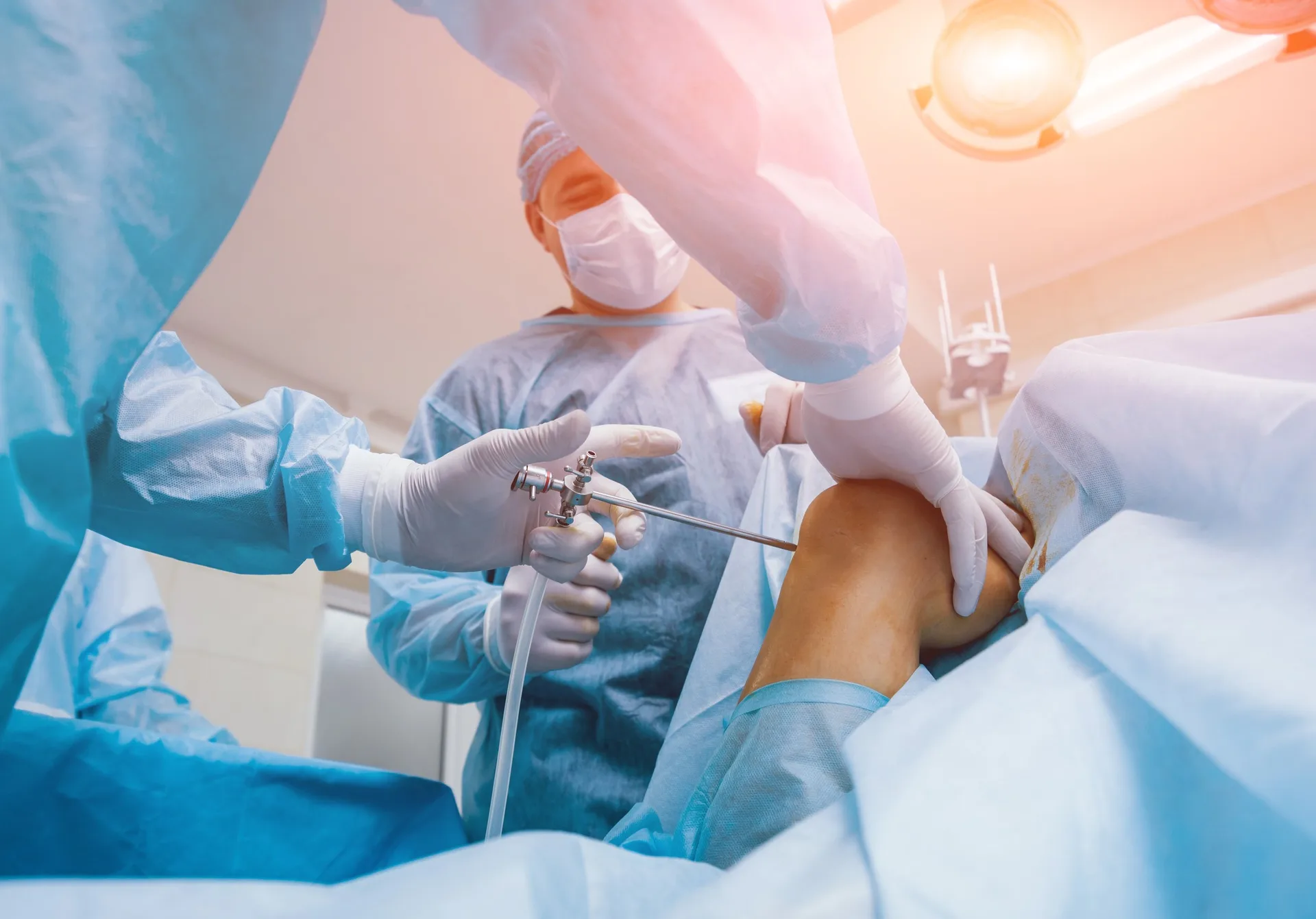
When damage is focused in one area of the joint, it can often be repaired through small incisions using arthroscopy (keyhole surgery), so your own joint stays in place.
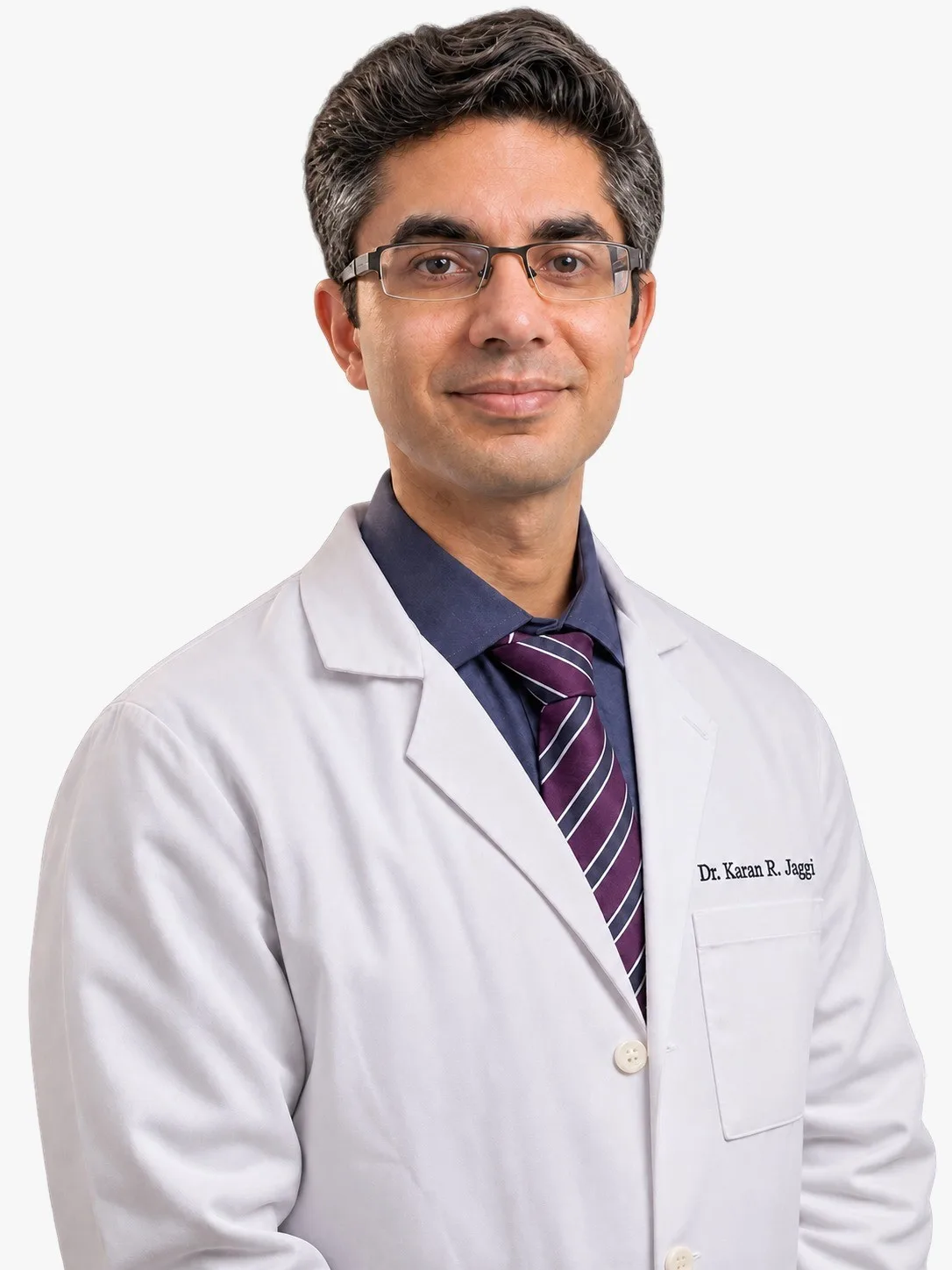
Triple board-certified and internationally trained, Dr. Jaggi super-specialises in regenerative orthopaedics, sports injuries and joint preservation. He performs image-guided orthobiologics, subchondral BMAC and keyhole cartilage repair, including MACI.
OPD: OSSO Centre for Surgical & Regenerative Orthopaedics
Monday, Wednesday, Friday: 11am – 1pm
Plot No 222, opposite Amity International School, Sector 51, Gurugram, Haryana 122018
Some conditions still need surgery, such as complete ligament ruptures in active patients, severe end-stage arthritis with major disability, and unstable fractures. If that is your situation, we will tell you plainly. An early evaluation at OSSO helps identify the right treatment pathway.
Your treating orthopaedic surgeon will give you an honest opinion on whether joint preservation is still an option for you. If it is not, the path forward is joint replacement. Knee and hip replacement on a fast-track protocol means walking on Day 1 and going home in 2 to 3 days.
Rehabilitation plays a crucial role in protecting your joints. After minimally invasive procedures, recovery is much faster than after joint replacement or open surgery. At OSSO, recovery programmes include:
01
Tailored Physiotherapy Sessions
Doctor-led, one-on-one sessions built around your condition, not a generic protocol.
02
Strengthening & Stretching Routines
Targeted work to build muscle support, improve flexibility and reduce the load on the joint.
03
Balance & Gait Training
Proprioception and movement retraining to improve stability and the way you walk.
04
Post-Injection & Post-Surgery Rehabilitation
Structured rehab after regenerative injections or surgery, with progress tracked at regular reviews.
Joint preservation is not a promise that you will never need joint replacement surgery. Here is what to expect.

Early arthritis and partial tears are more likely to respond than advanced bone-on-bone arthritis or complete ligament ruptures.

Orthobiologic injections such as PRP and GFC are protective in nature: they reduce symptoms and support healing but do not fully regrow worn-away cartilage. BMAC goes further and can help repair and regenerate damaged tissue. Results vary from person to person.

Improvement is gradual, because tissue repair takes time, but recovery is much faster than after open surgery.

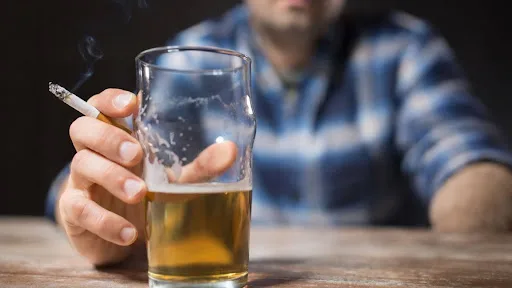
Weight, smoking and alcohol can all affect how well your body responds.
Joint preservation or replacement? S.'s journey with BMAC
S.K.K.'s journey with GFC treatment
S.'s journey at OSSO
Book a consultation with our orthopaedic specialists. You will get a clear diagnosis, a transparent answer on whether surgery is indicated, and a plan that starts with the most conservative option that works.
Call us directly: +91-9220531100
Visit us: 7011, 1st Floor, DLF Phase-4, Gurugram, Haryana – 122002
Open: Monday to Friday 10am to 8pm · Saturday 10am to 6pm