1
Age & Hormonal Change
Bone loss accelerates with age. The drop in estrogen after menopause is a major risk factor for women; men lose bone more gradually with falling testosterone.
OSSO's integrated approach to osteoporosis includes bone-density assessment, medication where indicated, targeted exercise and fall prevention, all under one roof.
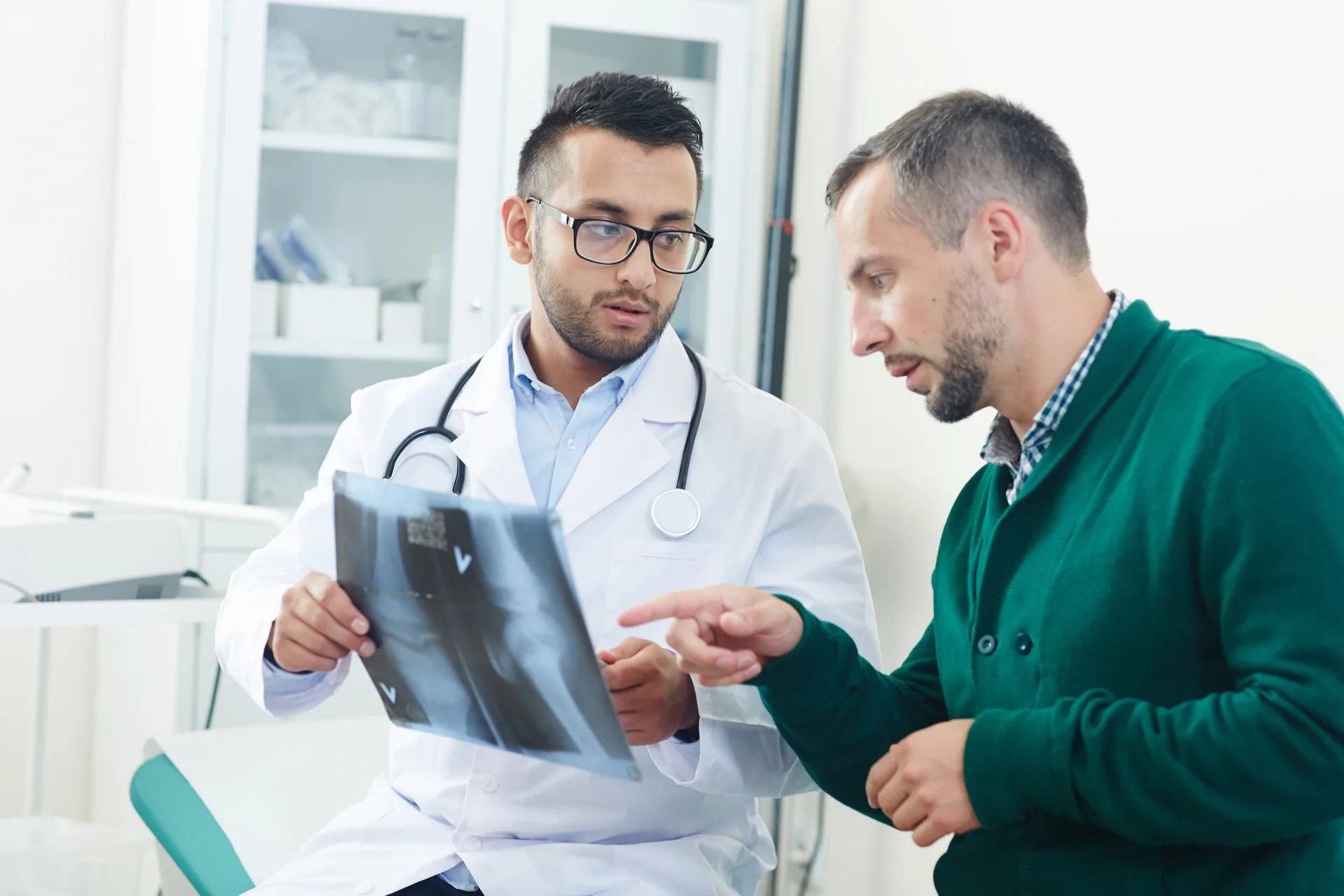
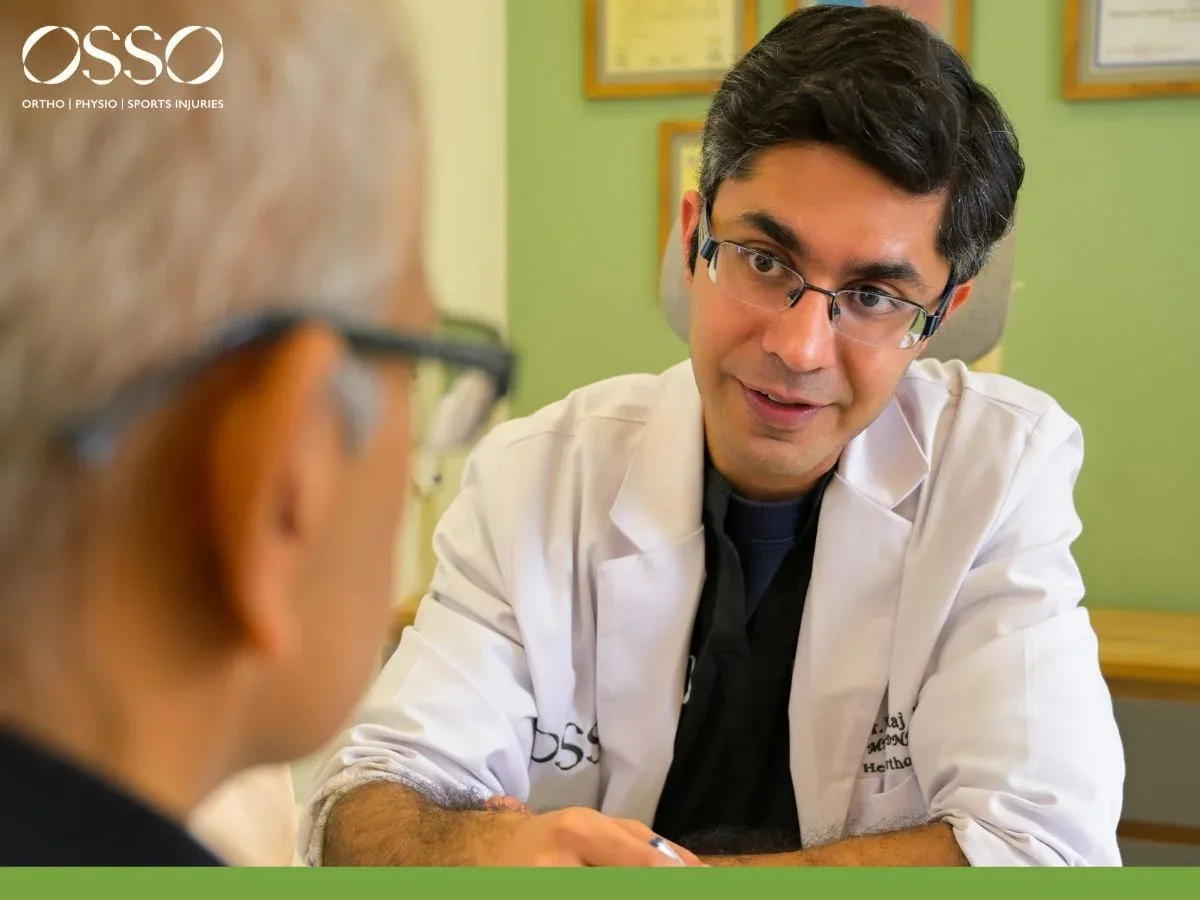
Your orthopaedic doctor assesses your condition, including bone density testing, and builds a plan covering medication and targeted exercise. Ortho + Physio in one team. Conservative-first, surgery only if needed.
Osteoporosis literally means "porous bone." It is a condition in which bones gradually lose density and quality, becoming weak, brittle, and prone to fracture, sometimes from a minor fall or even everyday movements like bending or coughing.
Bone is a living tissue that is constantly broken down and rebuilt. With age, hormonal changes and certain risk factors, the body loses bone density faster than it can replace it. Osteoporosis most commonly affects:
The "Silent Disease"
Osteoporosis usually has no symptoms in its early stages, and many people only discover it after a fracture. That is why timely bone-density screening matters, especially for post-menopausal women and adults over 50. Early detection allows bone loss to be slowed and a first fracture to be prevented.
Osteopenia vs Osteoporosis
Osteopenia is lower-than-normal bone density that hasn't yet reached the osteoporosis threshold. Think of it as an early warning stage. Identification at this stage allows early action with lifestyle, nutrition, and exercise.
Understanding your risk factors helps you and your specialist act early and protect your bones.
1
Bone loss accelerates with age. The drop in estrogen after menopause is a major risk factor for women; men lose bone more gradually with falling testosterone.
2
Inadequate calcium and low vitamin D, both common in India, deprive bone of the raw materials needed to stay strong and dense.
3
A sedentary routine, smoking, excess alcohol and low body weight all speed up bone loss and reduce the bone's ability to rebuild.
4
Family history, long-term steroid use, thyroid or hormonal disorders, and certain conditions can all lower bone density independently of age.
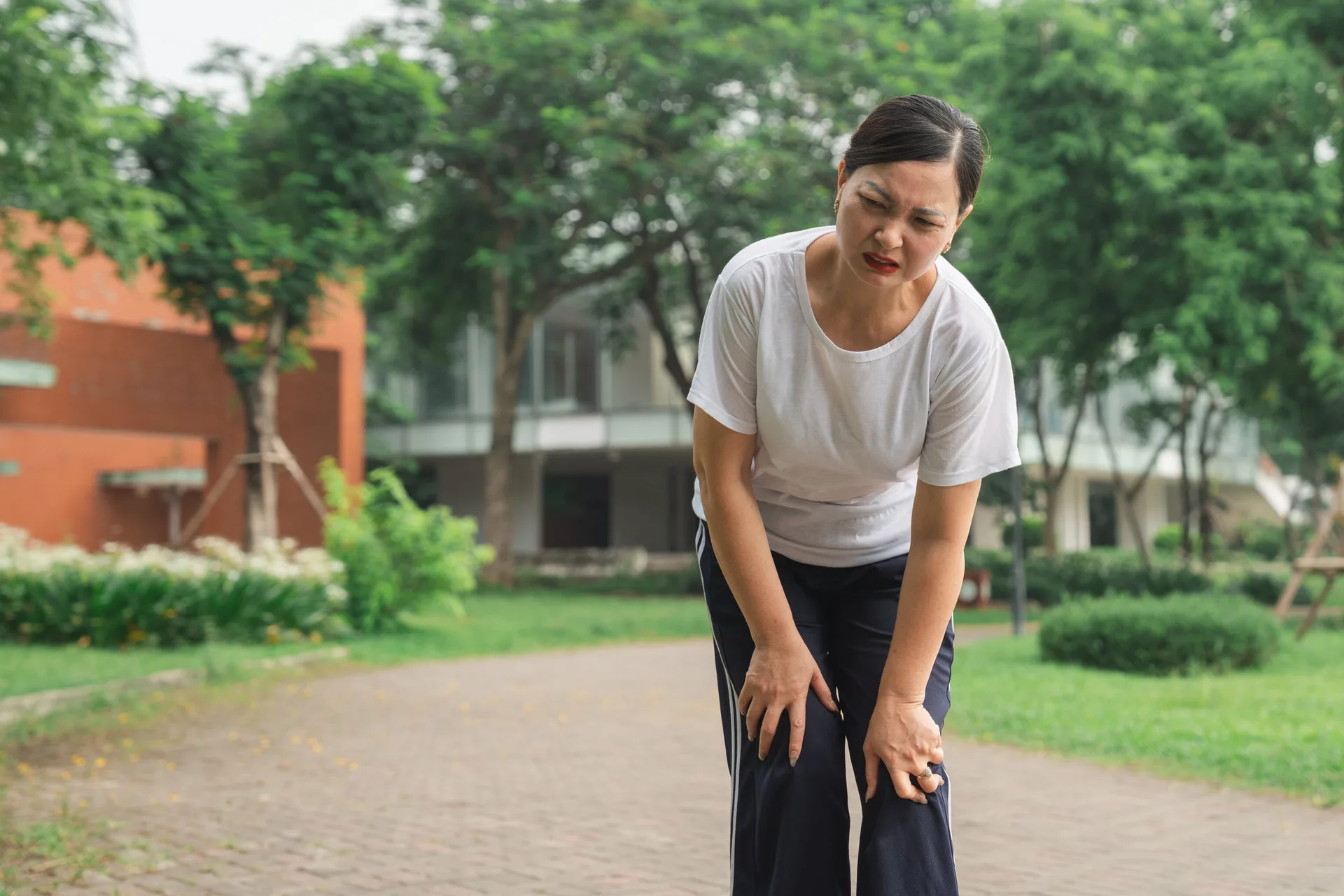
Early osteoporosis is often silent. As bone weakens, these signs may appear. Recognising them early helps you seek timely care.
Loss of Height Gradually getting shorter over time, often due to small compression fractures in the spine.
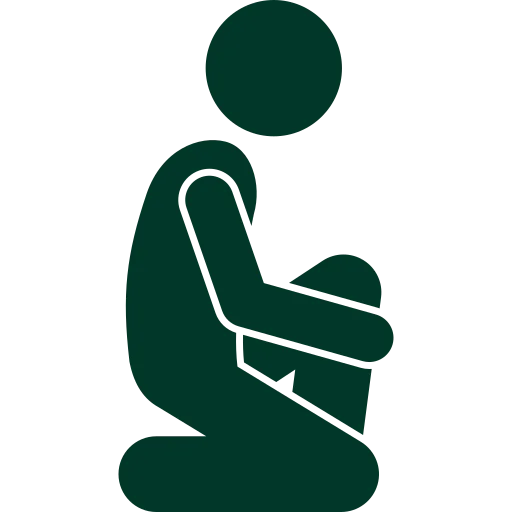
Stooped Posture A rounded upper back ("dowager's hump") as vertebrae weaken and collapse forward.
Persistent Back Pain New or ongoing back pain can signal a vertebral compression fracture.
Fractures from Minor Falls Breaking a bone from a low-impact fall or minor knock is a classic red flag.
Weak Grip / Frailty Reduced grip strength and general frailty can accompany declining bone and muscle health.
Receding Gums / Brittle Nails Bone loss in the jaw and changes in nail strength can be subtle early indicators.
The standard test for osteoporosis is the DEXA bone-density scan, a quick, non-invasive scan that measures bone mineral density and gives a T-score:
T-score of −1.0 or higher
T-score between −1.0 and −2.5
T-score of −2.5 or lower
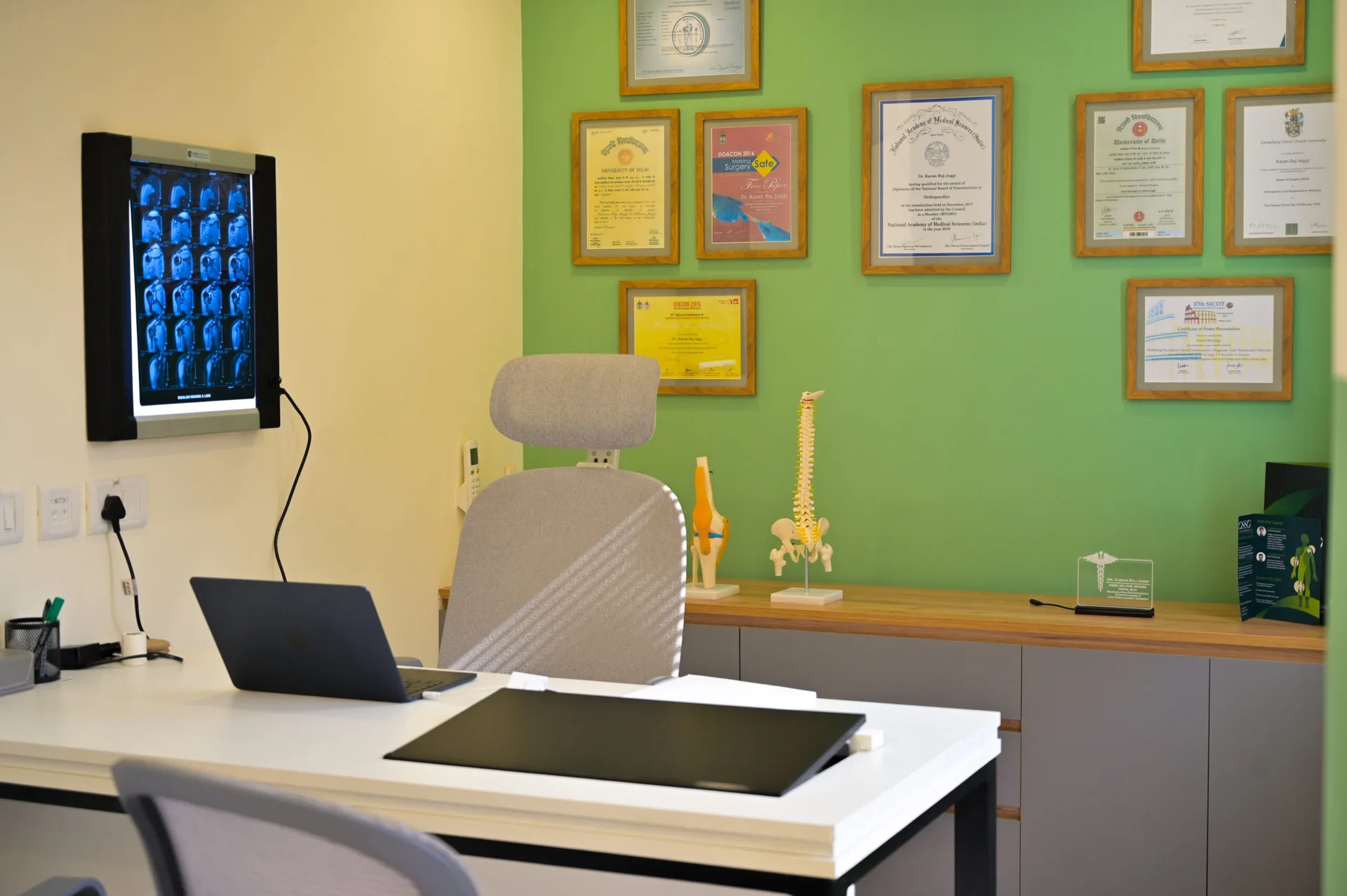
Clinical Assessment A detailed history of fractures, family risk, lifestyle, medication, and menopausal status by our orthopaedic specialist.
DEXA Bone-Density Scan Your orthopaedic doctor will advise a DEXA scan at a diagnostic lab to measure bone strength, confirm the diagnosis, and grade severity.
Blood & Vitamin Profiling Calcium, vitamin D, and relevant hormone and thyroid markers to look for treatable underlying causes.
Fracture-Risk (FRAX) & Posture Analysis We estimate your 10-year fracture risk and run OSSO's AI-assisted posture and balance assessment to guide a tailored plan.
A timely evaluation at OSSO can help identify weak bones early and guide you to appropriate treatment before a fracture occurs.
A personalised, evidence-based plan that aims to strengthen bone, reduce fracture risk and keep you active and independent.

Bisphosphonates, denosumab or bone-building agents, chosen to match your bone density, risk and overall health to slow loss and rebuild strength.
Correcting deficiencies with the right supplementation and diet plan. Other treatments are built on this.
Supervised weight-bearing and resistance training to stimulate bone formation, plus balance and posture work to keep you steady.
Gait training, home-safety guidance and strength work that targets falls, the cause of most osteoporotic fractures.
Practical guidance on diet, smoking and alcohol, plus protein and bone-friendly nutrition to support long-term skeletal health.
When a fragility fracture occurs, our surgeons provide fixation and rehabilitation at partner hospitals, with a plan to help prevent the next one.
One coordinated ortho + physio team. Assessment, treatment and tracking work together.
Clinical Bone Health Assessment
Clinical Bone Health Assessment
Your doctor evaluates your fracture risk, reviews your bone density report, and identifies the likely causes of bone loss before any treatment.
Integrated Treatment Plan
Integrated Treatment Plan
Medication, nutrition and physiotherapy designed jointly by your orthopaedic doctor and physiotherapist.
Supervised Bone-Strengthening
Supervised Bone-Strengthening
Structured, progressive exercise that safely loads bone and builds the muscle that protects it.
Progress Tracking & Re-scan
Progress Tracking & Re-scan
Objective monitoring with follow-up scans on your patient dashboard, so progress can be reviewed and the plan adjusted early.
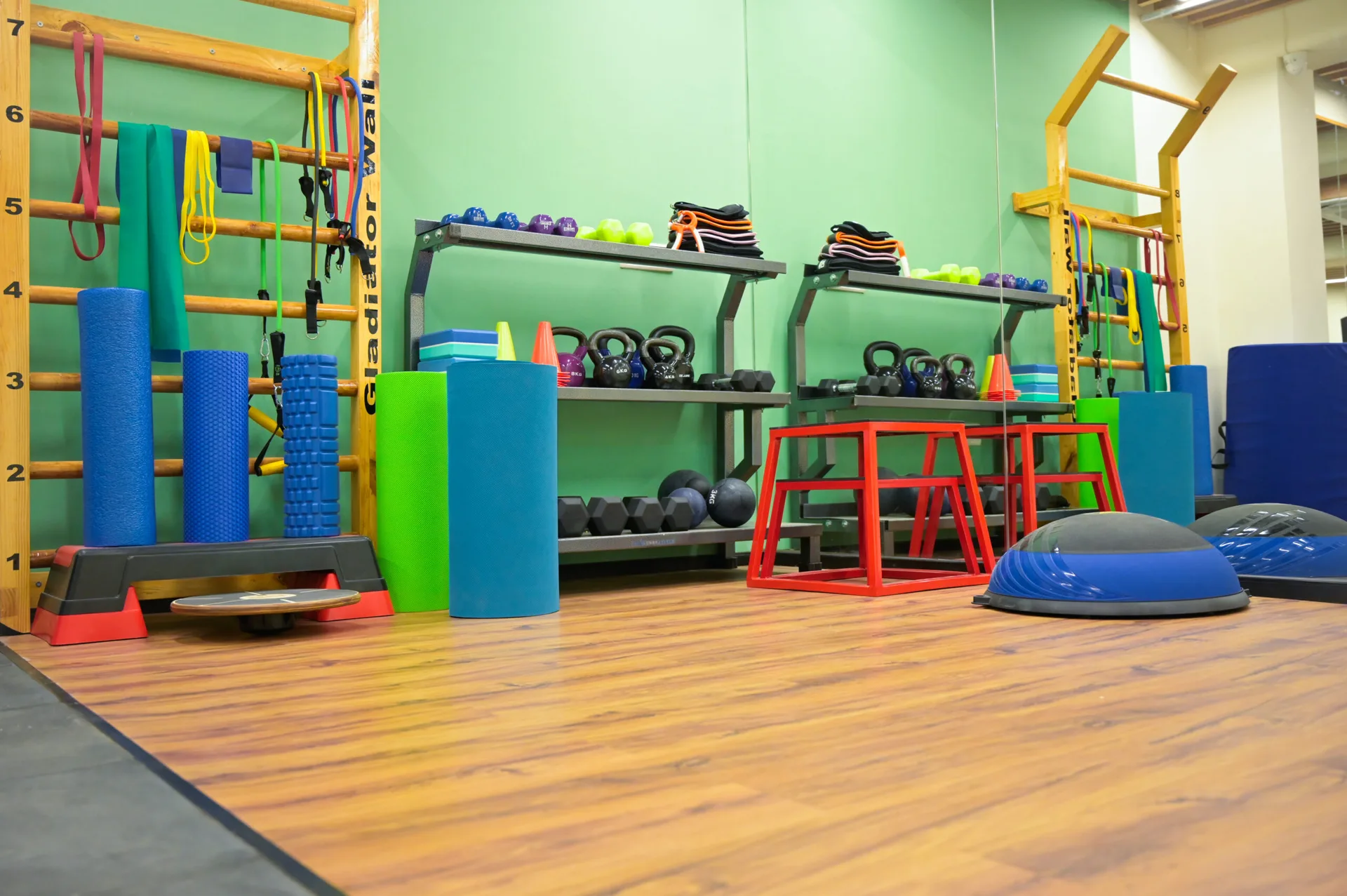
Tailored weight-bearing and resistance physiotherapy
Balance, gait and posture training to help prevent falls
Core and spine strengthening for vertebral support
Periodic re-assessment and medication review
Building strength is a long-term process. Our structured rehab supports your bones, balance and confidence over time.
Joint assessment, treatment and monitoring from one coordinated team.

Nutrition, medication and physiotherapy come before any invasive procedure. Surgery is used only when clinically necessary.
Follow-up scans and a patient dashboard allow bone-health progress to be reviewed over time.

One point of contact for appointments, scans, follow-ups, and reminders, to help keep your care organised.
Book a consultation with OSSO's orthopaedic specialists for a personalised plan aimed at keeping you strong, steady and independent.
Call us directly: +91-9220531100
Visit us: 7011, 1st Floor, DLF Phase-4, Gurugram, Haryana 122002
Open: Monday to Friday 10am to 8pm · Saturday 10am to 6pm