Rotator Cuff Injuries
With the growing popularity of sports like pickleball, tennis, and badminton in Gurgaon, rotator cuff injuries have become one of the most frequent reasons people come to us for shoulder pain treatment.
Get doctor-led care at OSSO
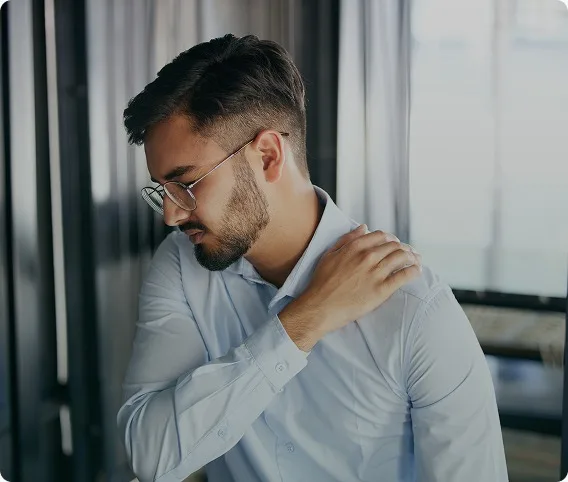
Get shoulder pain treatment in Gurgaon at OSSO, from accurate diagnosis to personalised treatment plans. Whether it’s frozen shoulder, rotator cuff tears, or chronic neck and shoulder pain, our specialists help you move freely again. Book your appointment today for comprehensive care and advanced solutions to your pain & injuries.
Shoulder pain affects 18-26% of adults and is one of the most common complaints we treat at OSSO.
It refers to discomfort in the shoulder joint, muscles, tendons, or ligaments, causing pain, stiffness, and difficulty with everyday movements. What most people don’t realise: mild shoulder pain can heal in 4-6 weeks, but left untreated, recovery can stretch to 2-3 years. Our orthopaedic specialists and physiotherapists provide treatment for shoulder pain in Gurgaon, offering personalised care to reduce pain and restore function.
Your shoulder is a complicated piece of machinery, and when something goes wrong, you really feel it throughout your daily life. Understanding what’s happening inside that shoulder joint helps figure out the right approach for your treatment. Here are some of the common causes of shoulder pain:
With the growing popularity of sports like pickleball, tennis, and badminton in Gurgaon, rotator cuff injuries have become one of the most frequent reasons people come to us for shoulder pain treatment.
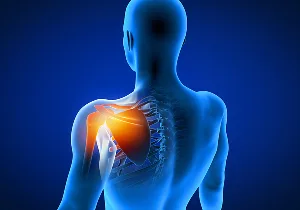
This is exactly what it sounds like: your shoulder gradually freezes up until you can barely move it in any direction. The tissue around your shoulder joint thickens and tightens over several months.
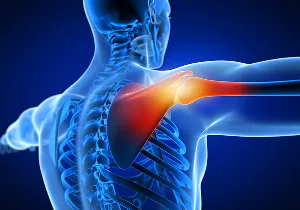
It occurs when the tendons get pinched between the bones every time you raise your arm, and this pinching causes pain during overhead activities that can eventually lead to rotator cuff damage.
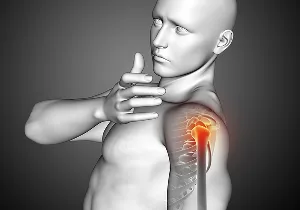
These usually develop from repetitive movements and are common in desk workers, painters, or anyone who repeats the same arm motion hundreds of times a day. The fluid-filled sacs (bursae) or tendons become inflamed, & movement doesn’t feel right.
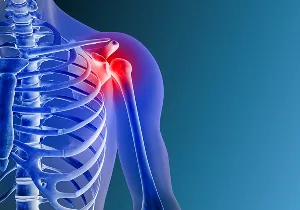
It breaks down the cartilage in your shoulder joint over time, whether from wear and tear or autoimmune conditions, leaving you with stiffness, grinding sensations, and that deep ache that never quite goes away.
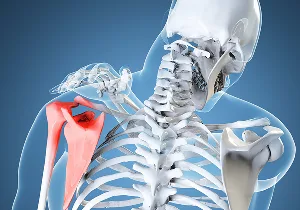
These tend to happen after trauma, such as a bad fall, a sports collision, or an accident, and these injuries need proper attention because they can lead to recurring problems.
Shoulder problems present differently depending on the underlying condition. Watch for these warning signs:
An achy, dull pain that increases at night.
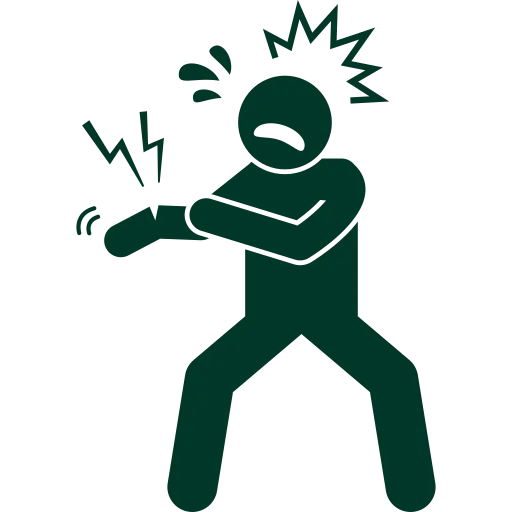
A sharp pain when you reach for things or lift your arm over your head.
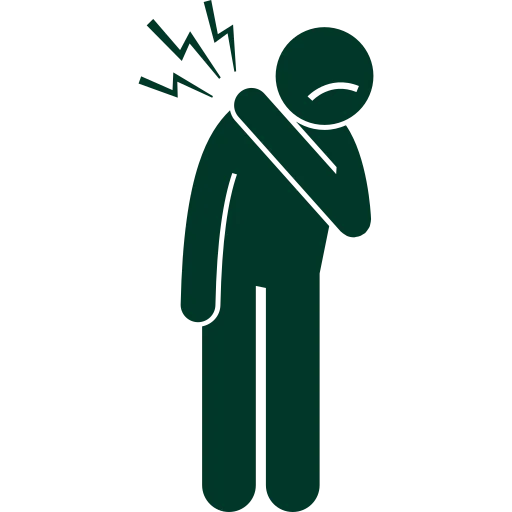
Stiffness that does not allow you to move your shoulder normally.
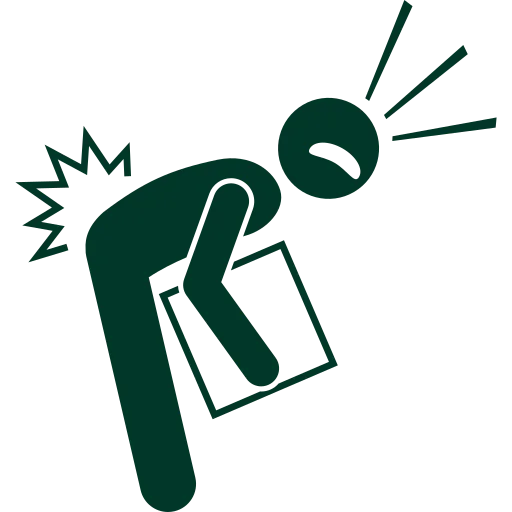
Weakness and/or instability when you try to pick up things.
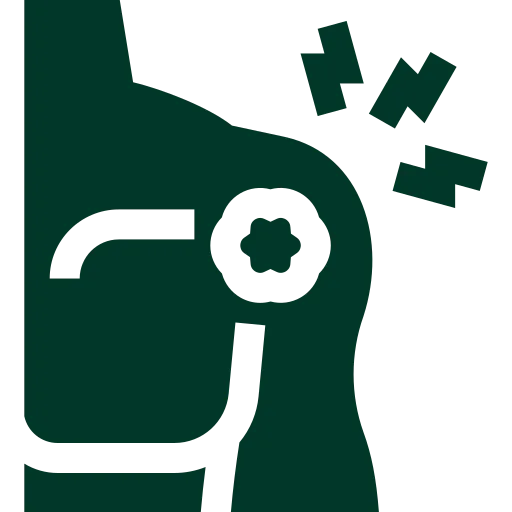
A grinding or clicking feeling in the shoulder joint as you move your arm.
A sharp, tingling pain radiating down your arm toward your fingertips
Swelling or tenderness in the surrounding area of the joint

Unable to raise the arm above a certain level
Pain when you try to put your hand behind your back.
Many people ignore shoulder pain, hoping it will resolve on its own. However, delaying treatment often exacerbates the condition. Consult a shoulder specialist if you experience:
Early diagnosis prevents complications and speeds recovery. Do not wait until the damage becomes irreversible.
Accurate diagnosis drives effective treatment. Our shoulder specialists at OSSO follow a thorough evaluation process:
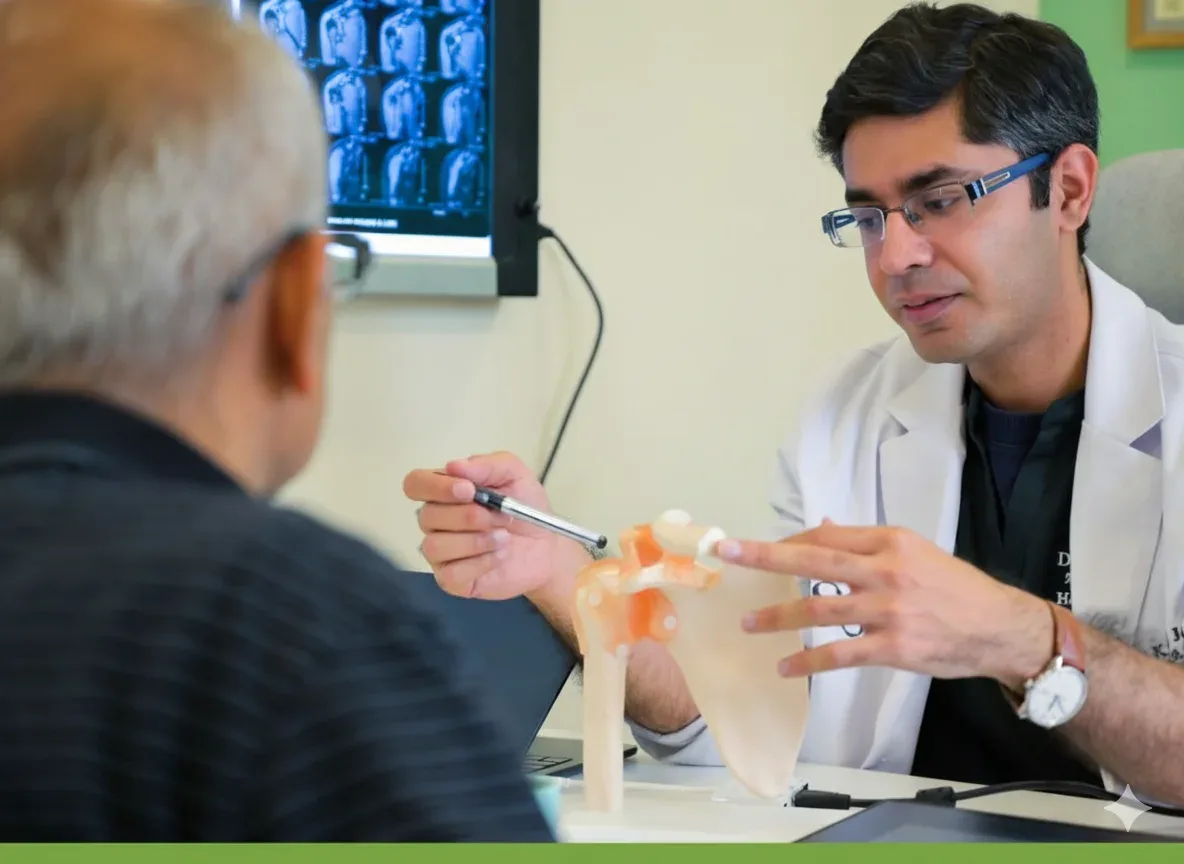
Your doctor gathers information about how the pain started, activities that worsen it, previous injuries and your overall health. This conversation often reveals important clues about the underlying problem.
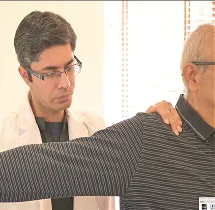
Our orthopaedic doctors perform structural assessments to evaluate joint stability, range of motion and muscle strength. Physiotherapists conduct functional assessments to understand how the condition affects your daily activities.
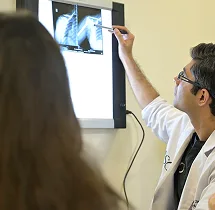
X-rays show bone problems like fractures, arthritis and calcification. MRI scans reveal soft tissue damage, including rotator cuff tears, labral injuries and inflammation. Ultrasound helps visualise tendons and muscles in real time during movement.
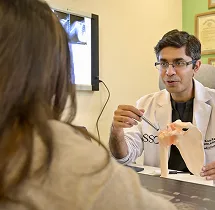
Specific clinical tests help identify particular conditions. These include the Neer test for impingement, the drop arm test for rotator cuff tears and various tests for labral injuries.
Treatment depends on your specific diagnosis and severity. Our approach combines immediate relief with long-term healing.
1
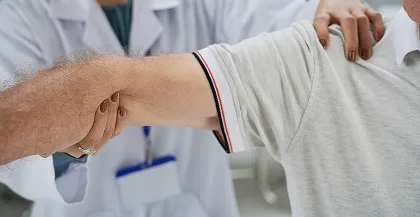
Immediate Care (P.O.L.I.C.E. Protocol): Protection, Optimal Loading, Ice, Compression and Elevation help control pain and swelling in acute injuries. This first aid approach prevents further damage while your shoulder begins healing.
2
Medications: Anti-inflammatory drugs reduce pain and swelling. Your doctor may prescribe oral medications or recommend over-the-counter options based on your condition.

3
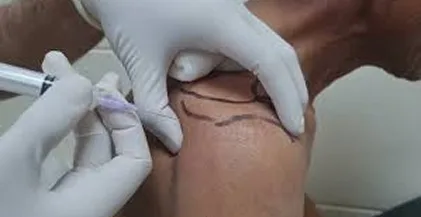
Injectables: For targeted treatment, options include Hyaluronic Acid injections for joint lubrication, corticosteroid injections for inflammation and regenerative therapies like GFC (an advanced form of PRP) to promote tissue healing.
4
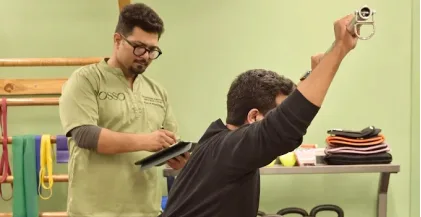
Physiotherapy: A structured rehab program is key to shoulder pain treatment, starting with pain relief through manual therapy, then progressing to mobility. Depending on the condition, injectables, regenerative therapy, or surgery may also help.
5
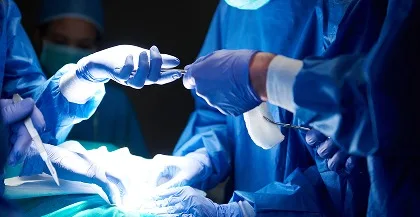
Surgical Intervention: When conservative treatment fails, surgery may be necessary. Options include arthroscopic repair, capsular release, and stabilisation procedures. We prioritise minimally invasive approaches before considering open surgery.
6
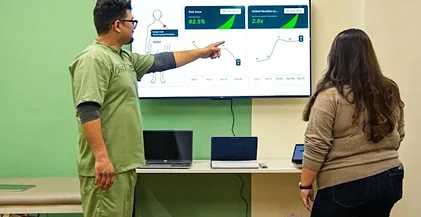
Ongoing Monitoring: Our shoulder specialists continuously track your progress and adjust treatment plans for optimal recovery. This comprehensive approach ensures effective management and helps prevent future injuries.
Every shoulder condition needs a different plan. Here’s how we approach the most common ones.
Every shoulder condition needs a different plan. Here’s how we approach the most common ones.
Grade 1 injuries heal with rest and physio. Grade 2 partial tears respond to rehab plus PRP or GFC therapy. Grade 3 complete tears often need arthroscopic or open surgical intervention.
Physiotherapy, focusing on posture and strengthening, works well. PRP or GFC reduces inflammation and promotes healing. Steroid injections help swelling. Surgery for non-responsive cases.
Recurrent dislocations need stabilisation through physiotherapy and bracing. Surgical repair of damaged ligaments and labrum restores stability when rehab alone cannot prevent episodes.
Our rehabilitation program follows a clear progression that takes you from pain to performance:
1
Phase 1 – Reduce Pain & Inflammation: PRP therapy directly targets inflammation inside the joint, providing pain relief that can work faster than conventional treatment alone.
2
Phase 2 – Break Down Adhesions: Hydrodilatation (saline injection under pressure) stretches the tight capsule and breaks adhesions, helping restore mobility.
3
Phase 3 – Restore Full Movement: Image-guided interventions ensure precise treatment delivery, accelerating recovery and reducing the need for prolonged therapy sessions.
4
Phase 4 – Long-Term Recovery: With pain controlled and mobility restored through minimally invasive methods, patients can return to daily activities and sports faster, often cutting recovery time significantly.
Prevention matters as much as treatment. Follow these guidelines to protect your shoulders:
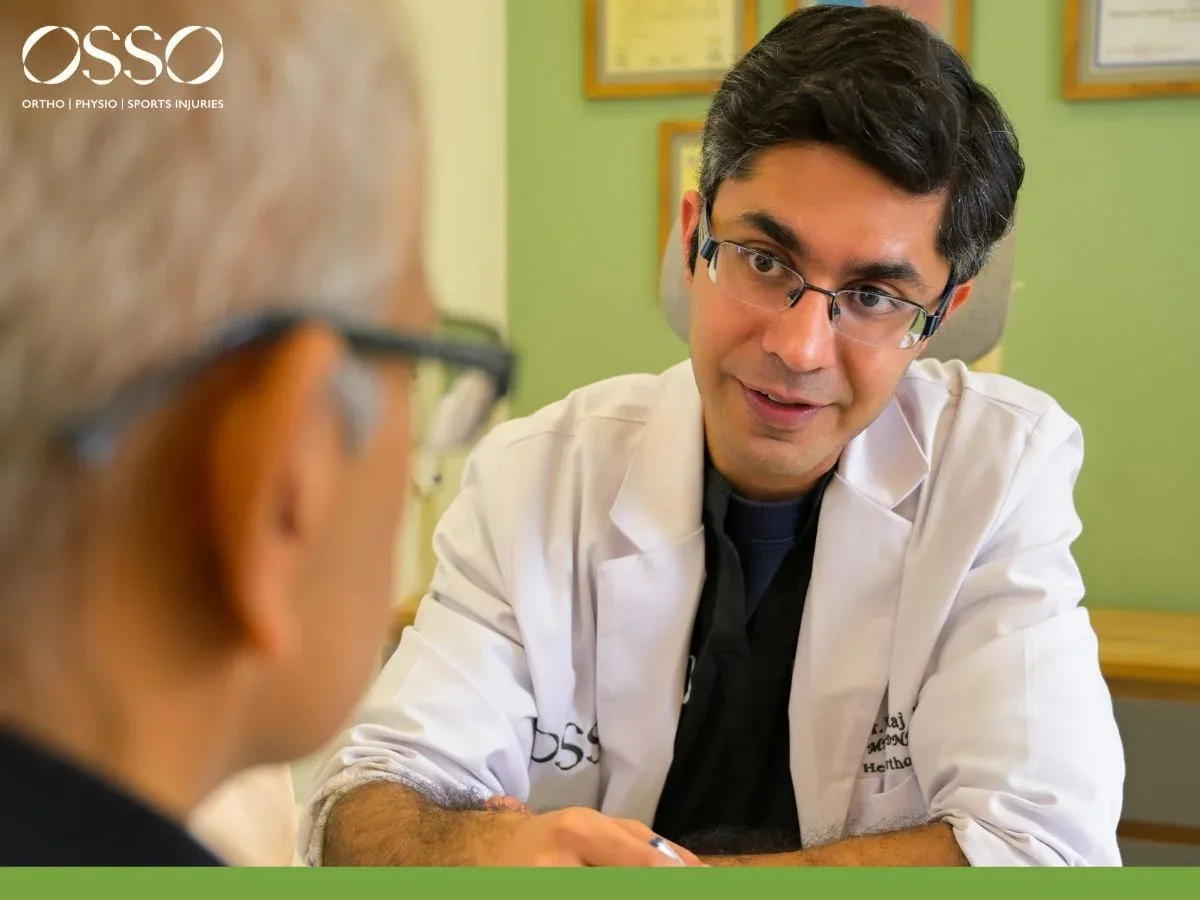
Integrated Care – We bring together experienced orthopaedic surgeons, Physical Medicine & Rehabilitation (PM&R) doctors and physiotherapists under one roof. Your doctor diagnoses and leads your plan, providing seamless care across treatment, rehabilitation, and pain management so nothing falls through the cracks.
Advanced Technology – Modern diagnostic equipment, regenerative therapies, and the latest treatment techniques enable accurate diagnosis and effective intervention across all shoulder pain conditions and shoulder injuries.
Personalised Treatment – We create customised treatment pathways after thorough assessment, with advanced progress tracking that ensures timely adjustments to your plan for faster recovery, reduced pain in the shoulder and improved quality of life.
Conservative First Approach – We believe in providing only necessary and effective interventions, which means structured physiotherapy first, minimally invasive procedures when needed, and surgery only when truly required for shoulder pain treatment in Gurgaon.