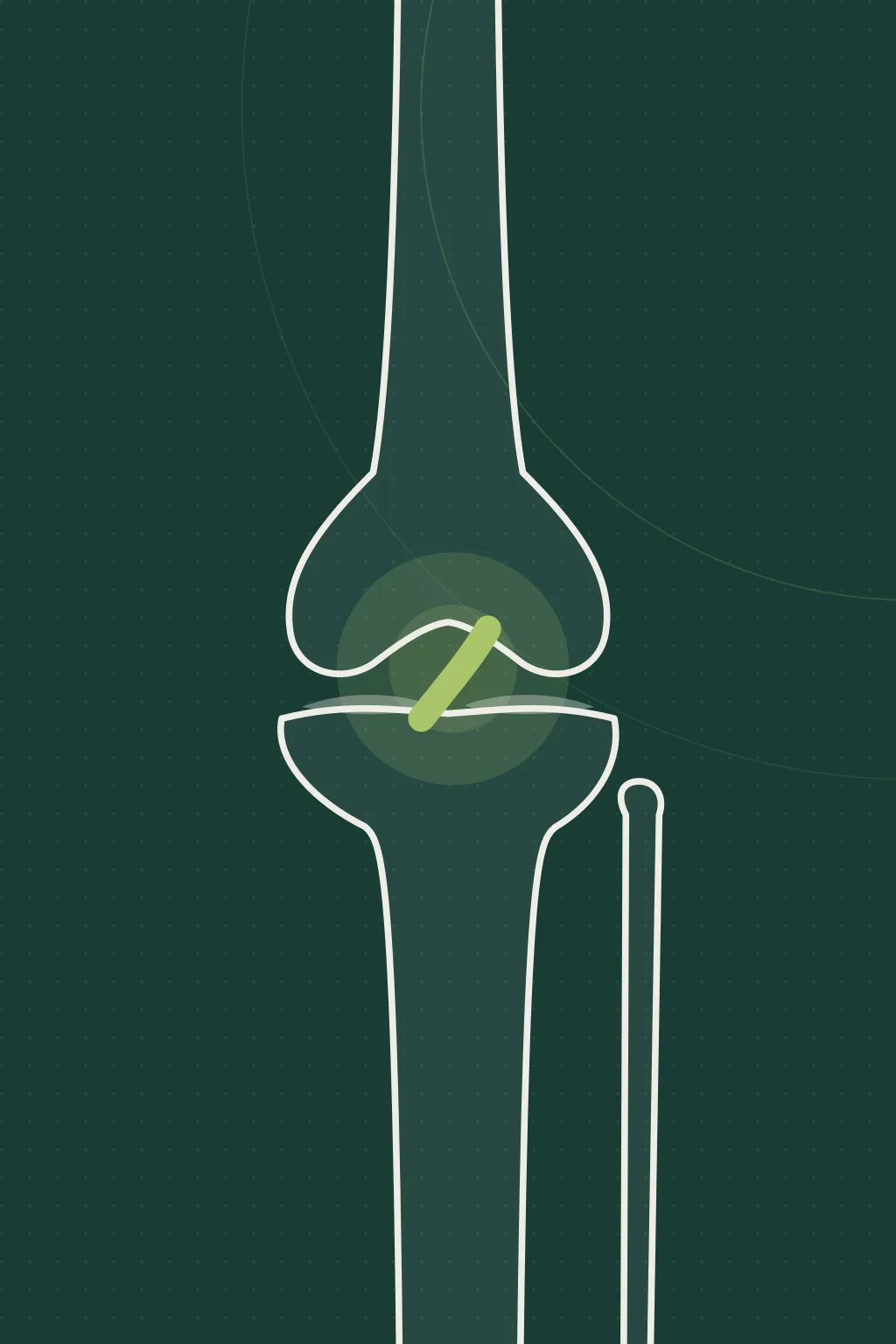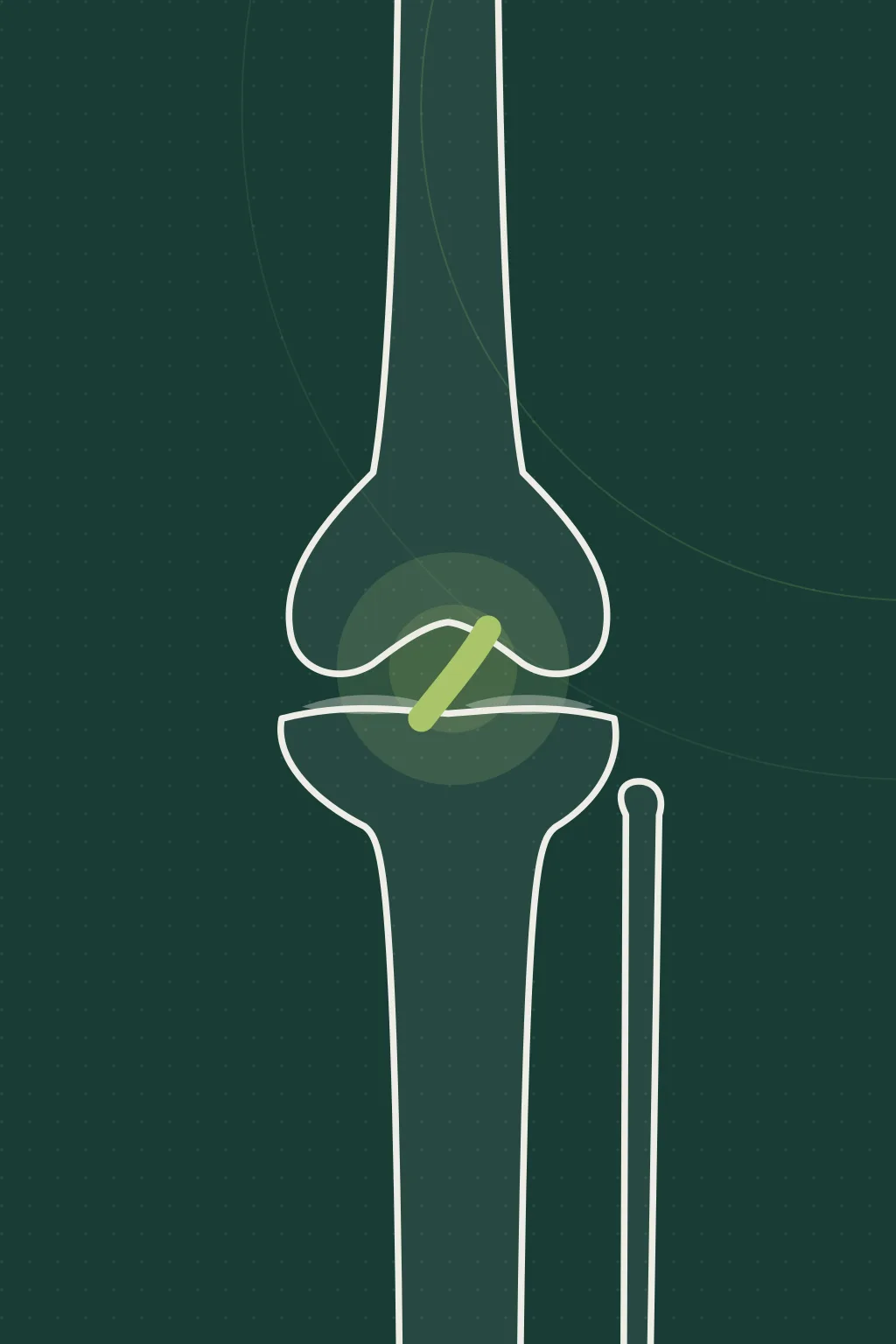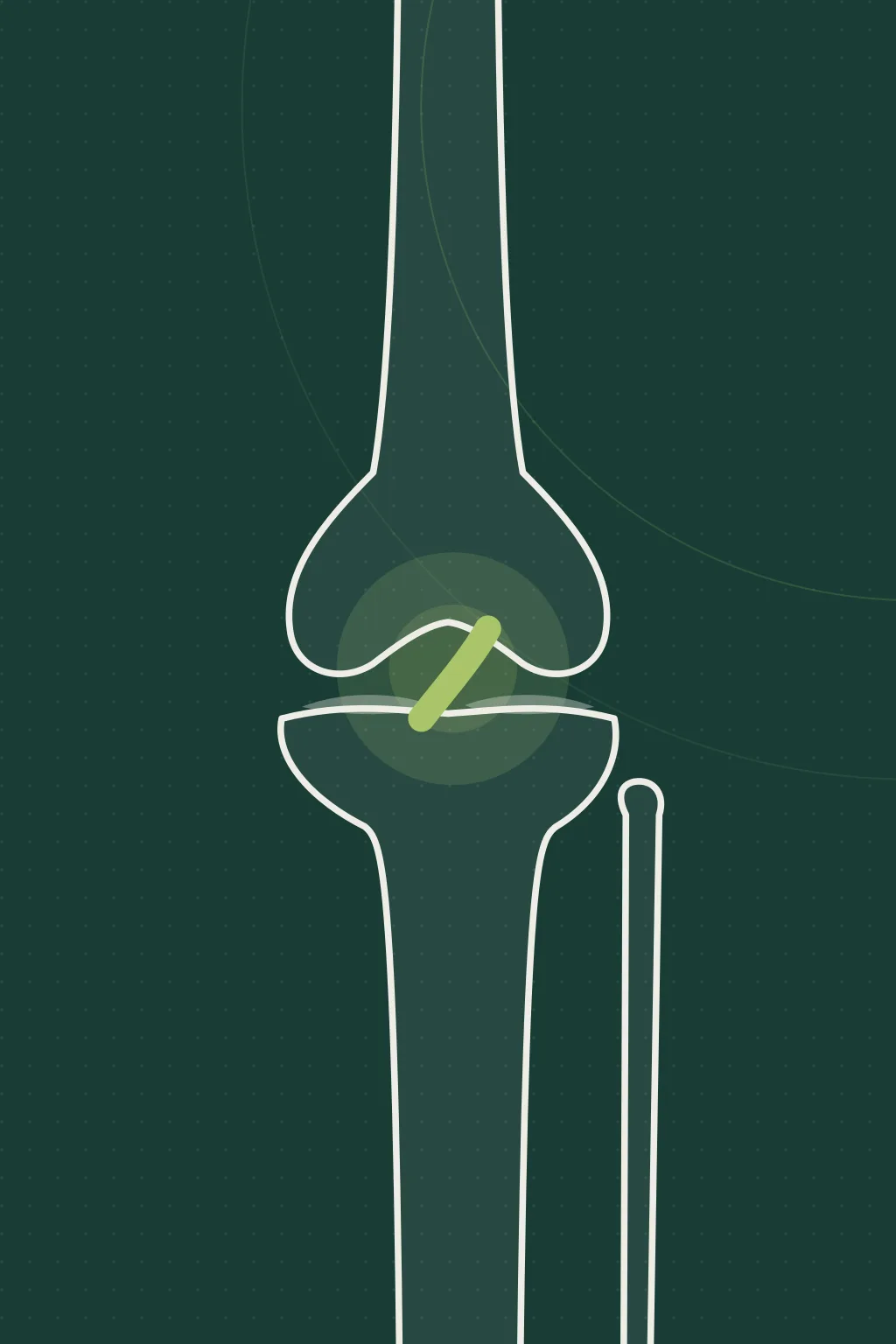
Awkward landings from jump put excessive stress on the knee, especially if the leg is straight or twisted upon impact.

Get doctor-led treatment at OSSO
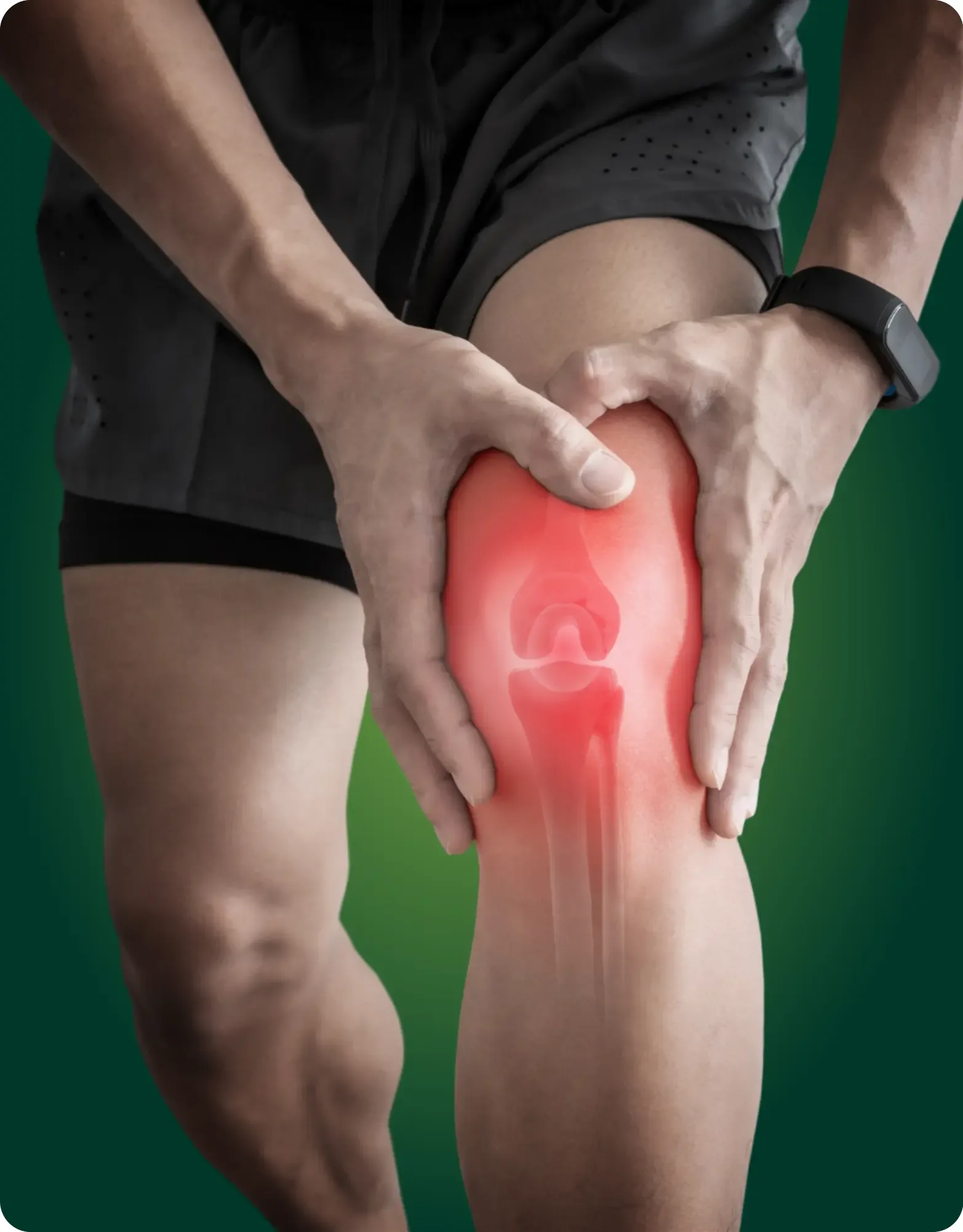
An ACL tear is a common knee injury that affects people across all professions, especially women with active lifestyles. At OSSO, our orthopaedic surgeons specialise in advanced ACL tear treatment in Gurgaon, ensuring full knee stability, minimising the effects of ACL tears, and helping you recover as quickly and safely as possible. Choose OSSO for ACL tear treatment in Gurgaon.
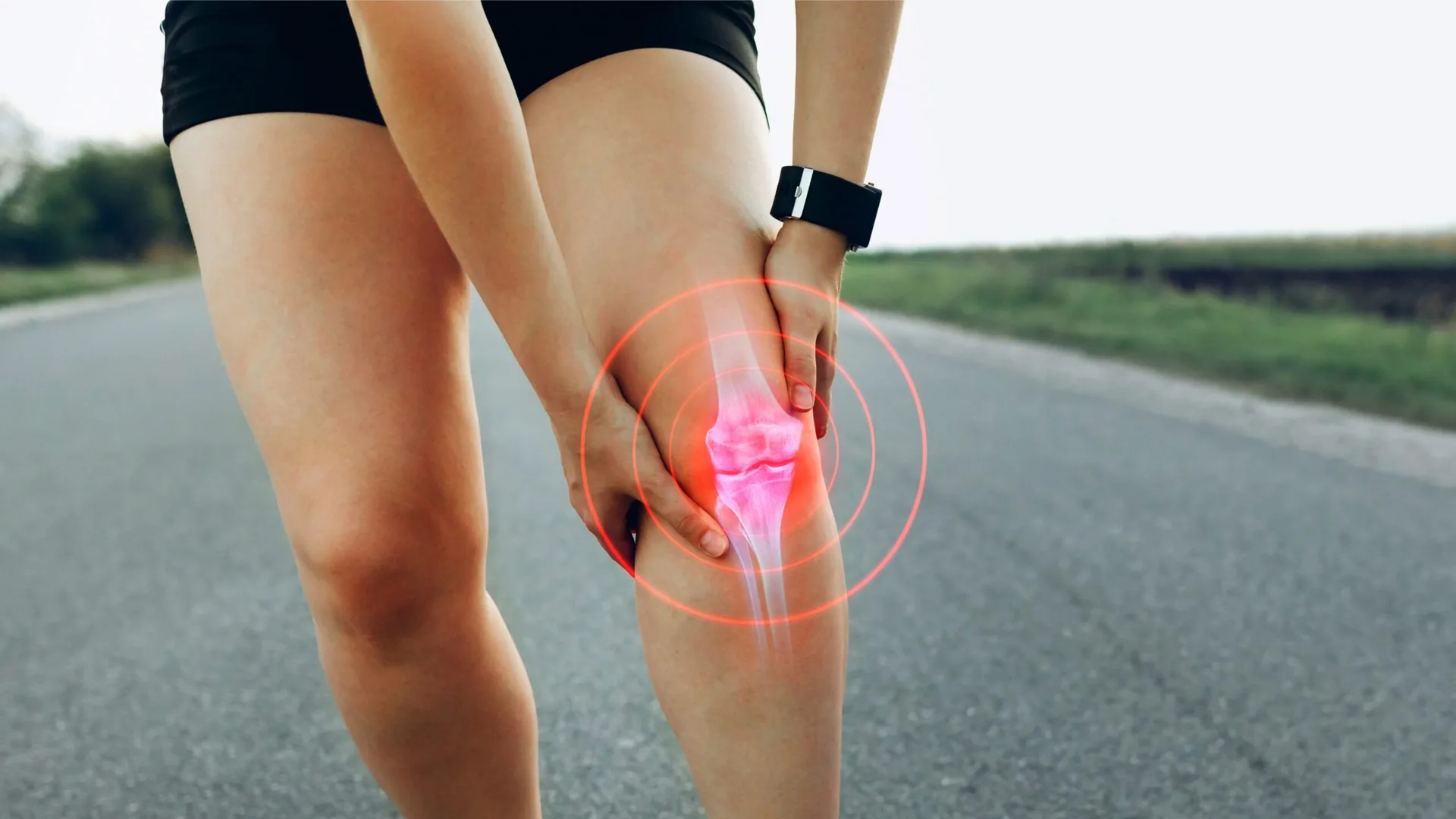
The ACL (anterior cruciate ligament) is one of the most important ligaments in your knee.
It stabilises the joint by preventing the shinbone from slipping forward over the thighbone. ACL injuries are common in sports involving pivoting, cutting and sudden impact, such as basketball and football. A partial or complete rupture of this ligament is known as an ACL tear, which can range from mild to severe and results from both contact and non-contact injuries. While athletes are more at risk, women are more prone to ACL tears than men. Unfortunately, ACL tears don’t heal on their own and require specialised ACL tear treatment, especially when the injury is severe.
There are several causes of an ACL tear, which are as follows:
Awkward landings from jump put excessive stress on the knee, especially if the leg is straight or twisted upon impact.
Sudden rotation of the knee while the foot is planted can overstretch the ACL.
Quick directional changes with a firmly planted foot, force the knee beyond its normal range.

Rapid deceleration shifts intense pressure to the knee joint.
Abrupt stops cause the shinbone to jolt forward, straining the ACL.

Fast, forceful twisting motions can partially or completely tear the ligament.
Here are the most common signs that may indicate an ACL tear:
1
Many people hear or feel a distinct “pop” at the moment of injury.
2
Immediate, sharp pain in the knee, often too severe to continue activity.
3
Difficulty bending, straightening, or moving the knee normally.
4
The knee feels unstable and cannot support your body weight.
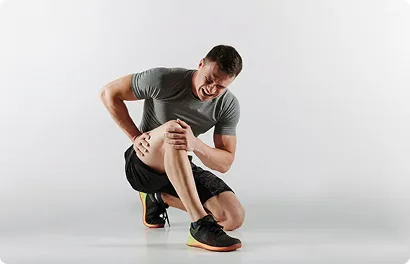
When surgery IS the right treatment. Here, N.J. shares his journey: From a knee injury, to getting it surgically treated by our Head of Orthopaedics, Dr Karan Raj Jaggi (@karanjaggi) At OSSO, we support the full spectrum: From conservative care, to minimally invasive regenerative procedures, to surgery. We stay true to one ethos: Right treatment. Right patient. Right time. N.J.’s knee injury (ACL tear) warranted an arthroscopic ACL reconstruction. We’re glad N.J. followed Dr Karan’s recommendation and that the surgery worked out very well for him. We’re always here for the people who love to play, train, and get back to sport.💚
ACL tears can vary in severity, specifically grades. These grades are a quick way to describe the extent of your injury. ACL injury grades range from one (the least severe) to three (the most severe):
The ligaments suffer light damage when overstretched causing mild pain and swelling, but the knee remains stable.

The ligament becomes loose because of a severe stretch or a heavy impact. Grade 2 injuries are considered to be partial ACL tears.
It is referred to as a total or complete ACL tear. The ligament is split into two pieces & the knee joint becomes unstable & immobile.
A torn ACL does not heal on its own, but without proper care or timely intervention, symptoms can worsen, leading to long-term complications. For those experiencing persistent pain or instability, an effective ACL tear treatment can help restore knee function & prevent further damage.
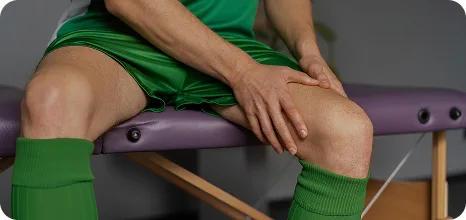
Most people can still walk and bear weight after an ACL tear. Without treatment, though, the knee can feel loose and may repeatedly give way, especially when turning, pivoting or changing direction.
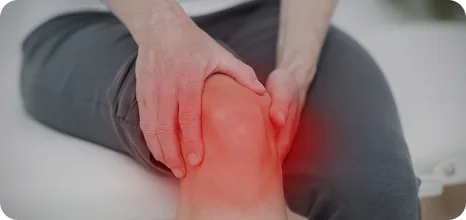
Each time the knee gives way, the meniscus, the cushioning cartilage inside the knee, takes extra strain. Over time this can cause meniscus tears, with pain, swelling or locking.
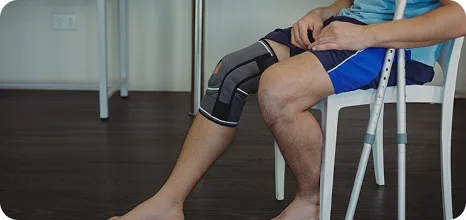
Repeated instability also wears down the smooth cartilage that lines the joint, leading to ongoing pain and less confidence in sport and daily activity.
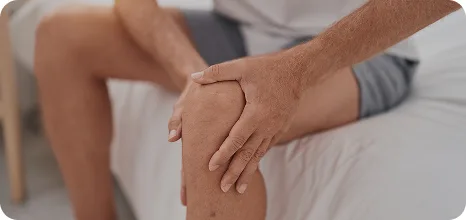
Damage to the meniscus and cartilage raises the risk of knee osteoarthritis developing earlier in life. Timely diagnosis and treatment help protect the knee.
1
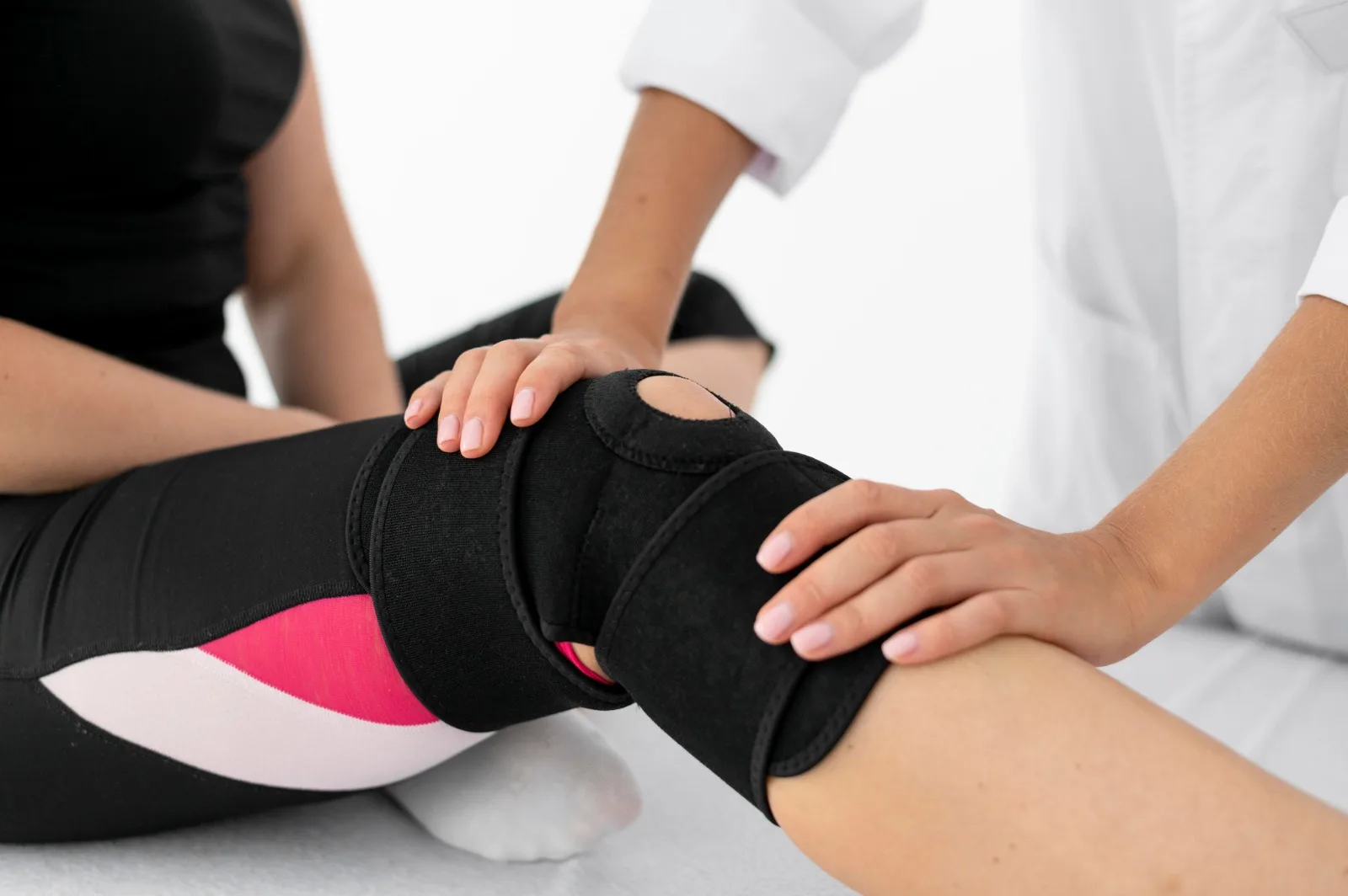
When you present with signs of an ACL tear, our orthopaedic surgeons assess your injury immediately. We use the P.O.L.I.C.E. approach (Protection, Optimal Loading, Ice, Compression, Elevation) to control pain and swelling in your knee right away.
2
For less severe tears, or if you’d prefer to avoid surgery and its risks (such as prolonged recovery, infection and stiffness), we use regenerative therapies like GFC, an advanced form of PRP that promotes tissue repair, reduces inflammation, & heals without surgery.
3
If the injury is severe, like a complete ACL tear, or non-surgical methods don’t work, surgery becomes necessary. Our orthopaedic surgeons perform ACL tear surgery using minimally invasive techniques to rebuild the torn ligament with precision.
4
At OSSO, we combine regenerative therapies with structured rehabilitation for optimal recovery. Our physiotherapists guide you through targeted exercises to reduce pain and restore movement. Combined with regenerative treatment, this supports healing and helps you recover as quickly as possible.
5
Our specialists continuously monitor your recovery and adjust your ACL treatment plan as needed. Whether you had surgery or chose ACL tear treatment without surgery, we support you through every stage of recovery.