OSSO Case Study · Regenerative Orthopaedics

Reconstruction was recommended. The native ACL was preserved instead.

A.G., 39, was advised to undergo ACL reconstruction after a twisting injury to his left knee. Assessment at OSSO found a partial tear with intact fibre continuity and no mechanical instability - a ligament that could be healed rather than replaced. One day-care regenerative procedure and sixteen weeks later, he was back to unrestricted activity with his own ACL.
Weeks of treatment
16
Surgeries required
0
Pain, VAS
7 → 1–2
Native ACL
Preserved
Call Now
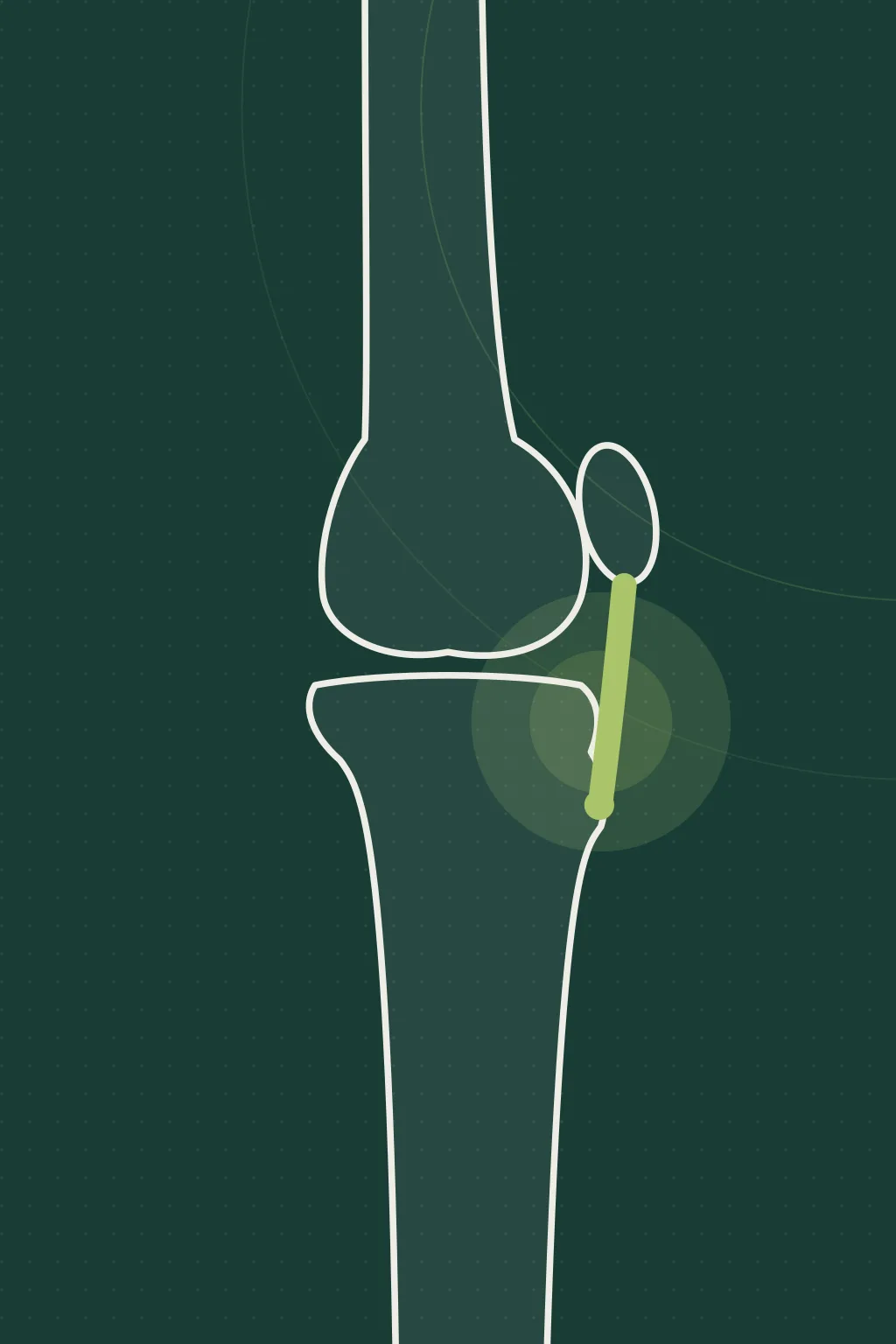
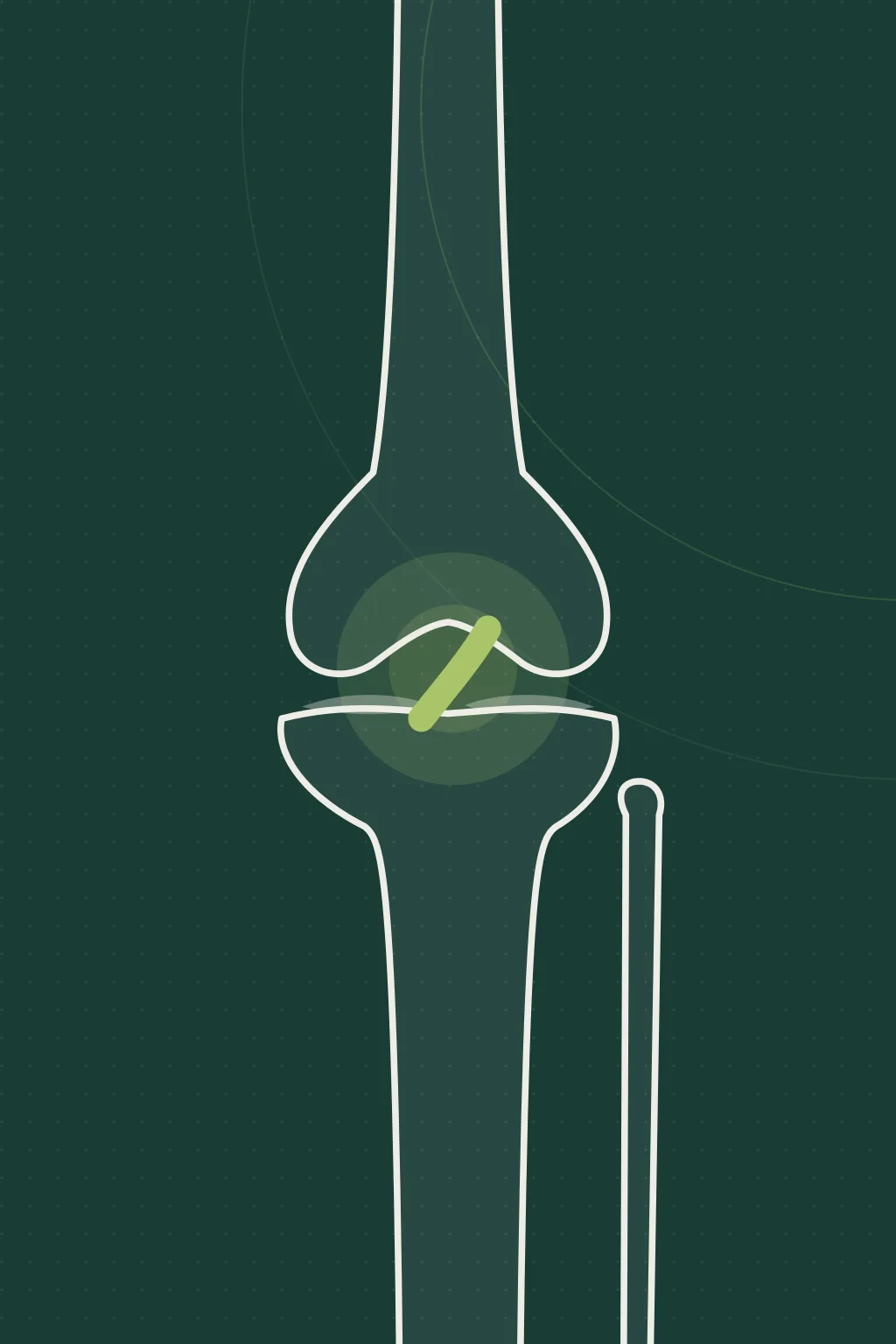
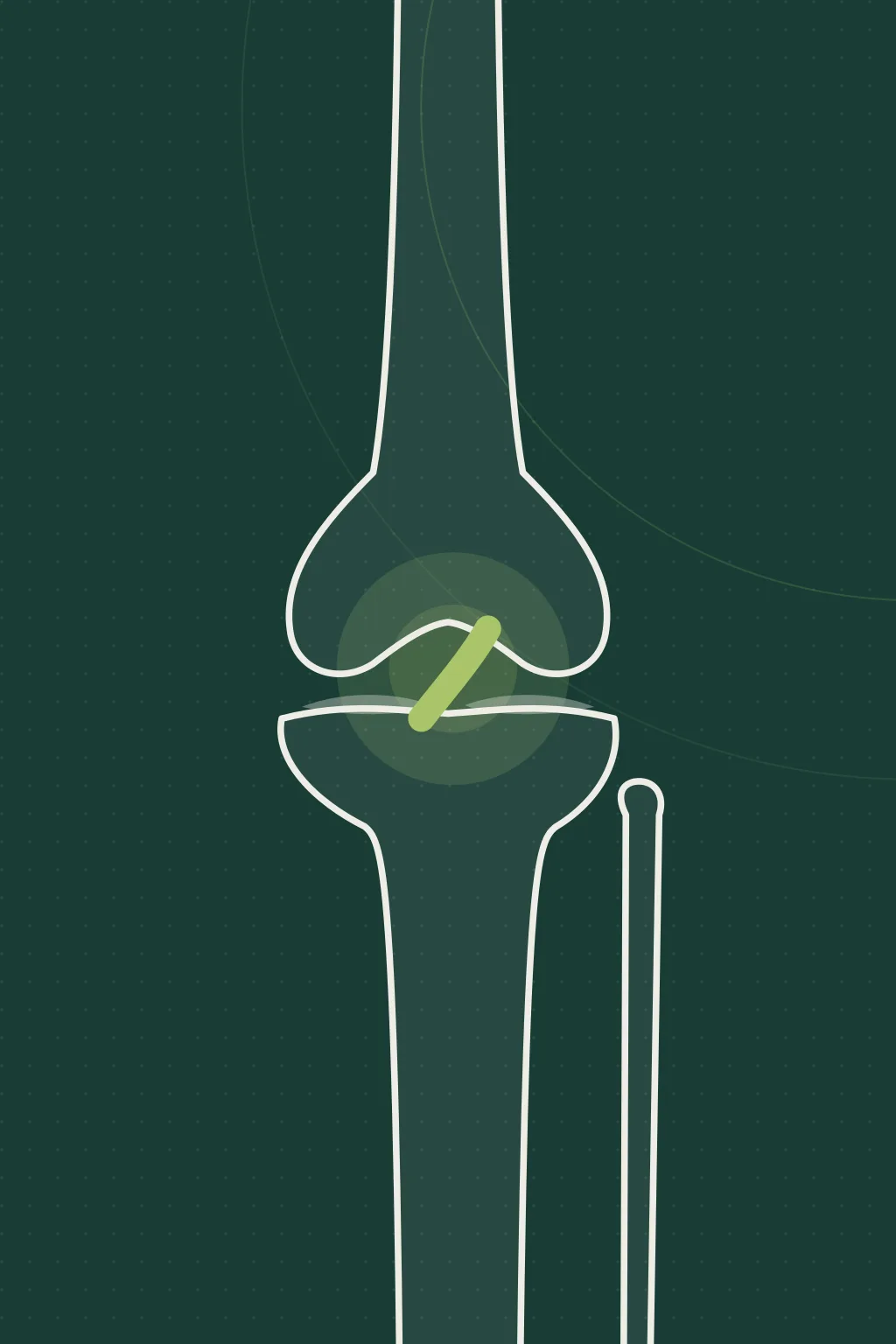
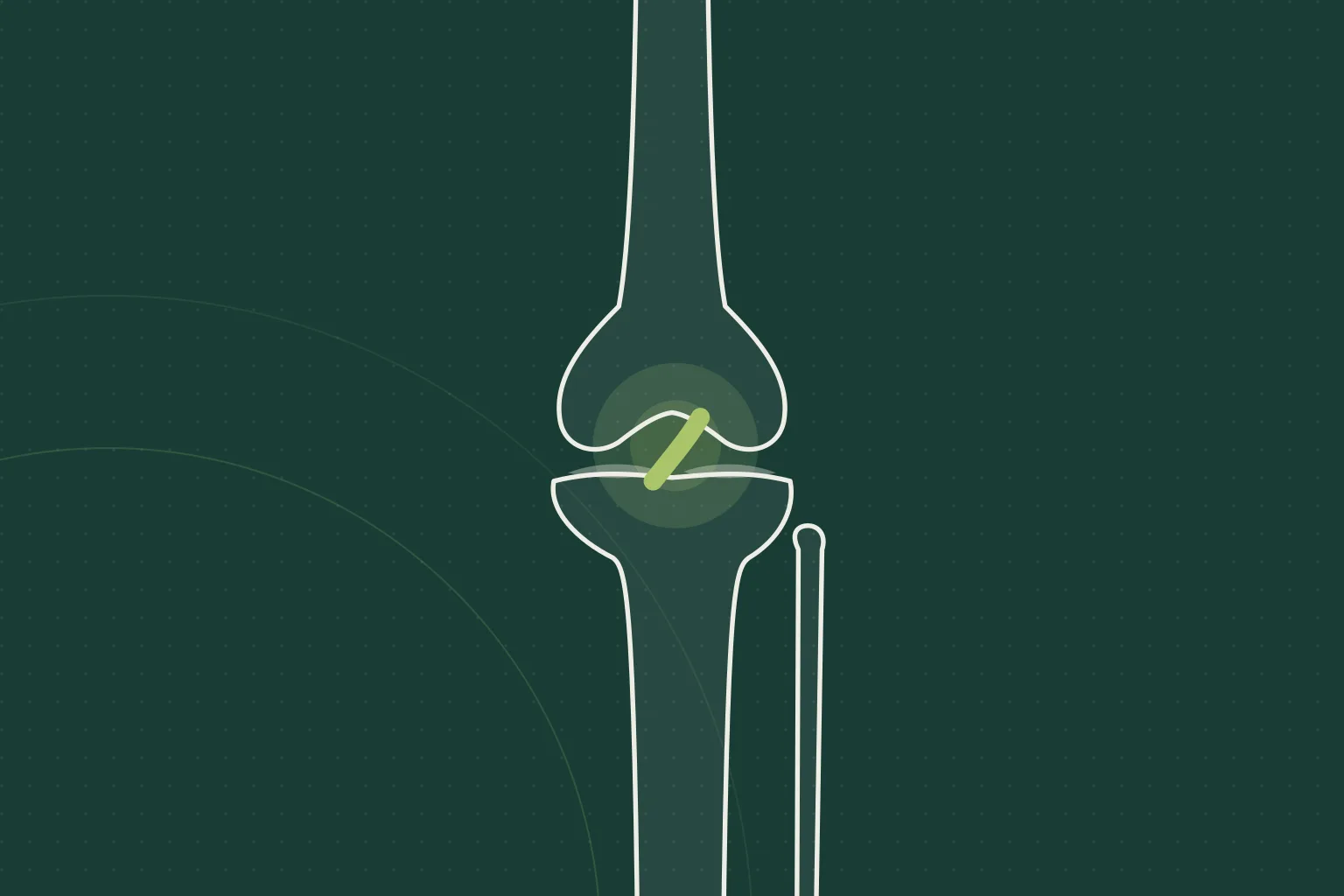
Illustration of the affected joint, not a photograph of the patient

Patient and presentation

Patient name

A.G.

Age at intake

39, male

Occupation

Profession - placeholderPlaceholder

Condition

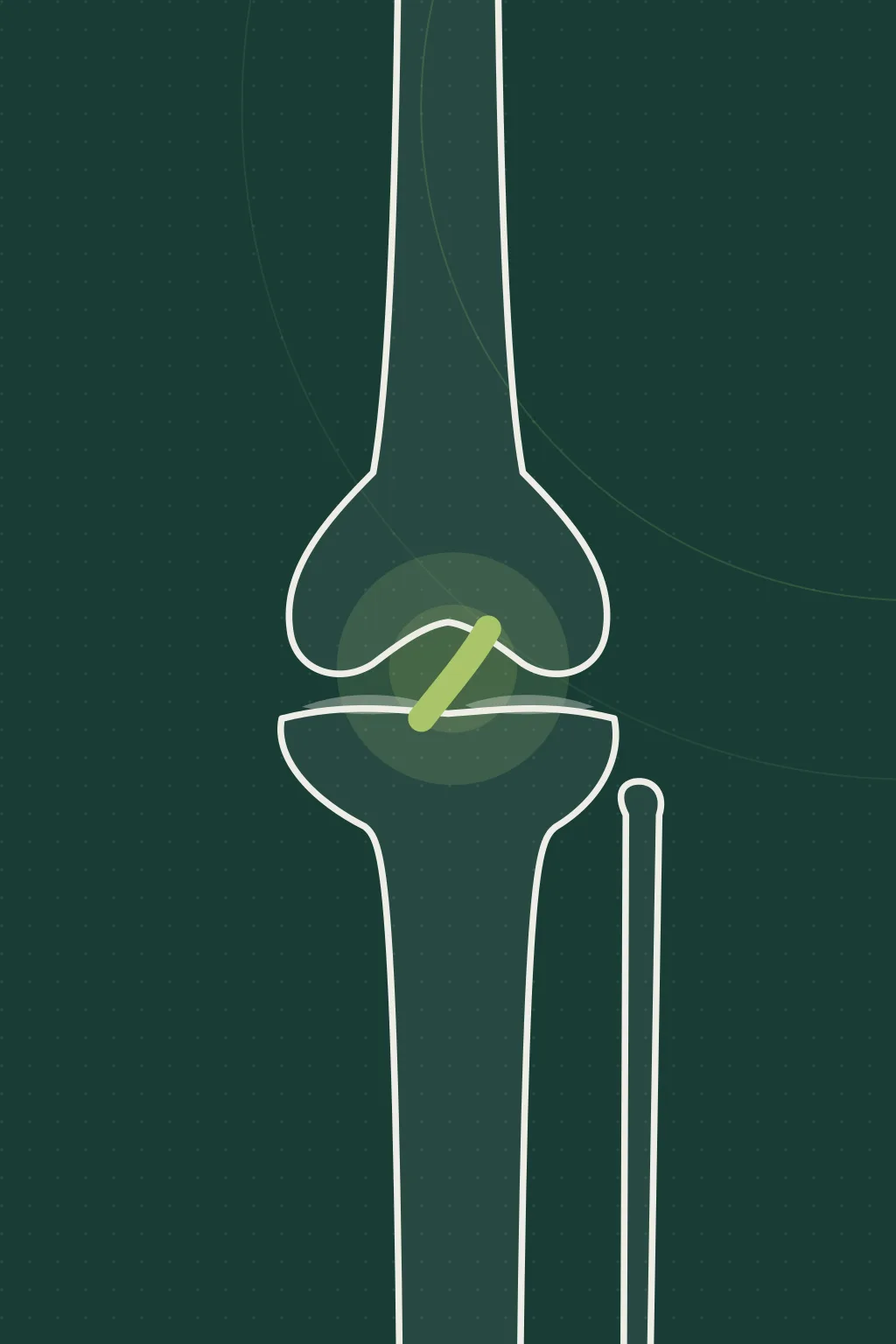
Left knee partial anterior cruciate ligament tear without clinical instability. MRI demonstrated a partial ACL tear with preserved fibre continuity.
The Full Journey

Illustration of the affected joint, not a photograph of the patient

Patient and presentation

Problem treated
Left knee pain following a recent twisting injury, affecting walking, exercise and recreational activities
Prior recommendation
ACL reconstruction
How he found OSSO
Referral source - placeholderPlaceholder

The OSSO protocol

ACL Preservation Protocol. Comprehensive assessment confirmed a partial ACL tear without mechanical instability, which made A.G. suitable for a regenerative joint preservation procedure rather than reconstruction. A combination of Hyaluronic Acid and high-dose Growth Factor Concentrate was administered intra-articularly.

Why the two are combined Hyaluronic Acid does two jobs at once. It provides immediate visco-supplementation to improve joint mechanics, and it acts as a biological scaffold - improving the retention and sustained activity of the Growth Factor Concentrate inside the joint, so the healing signal stays where the ligament needs it and intra-articular inflammation comes down.

Weeks 1–2 - Biological healing

Healing phase following the regenerative procedure, with reduction in pain and inflammation.

Weeks 3–6 - Mobility and loading

Improvement in mobility and return of functional loading through the knee.

Weeks 7–12 - Strength restoration

Progressive restoration of lower limb strength and knee function.

Weeks 13–16 - Unrestricted activity

Return to unrestricted daily activities with a stable knee and no clinical signs of instability.

Before treatment vs. week 16

At intake

Pain (VAS)
7 / 10 following a twisting injury
Ligament integrity
Partial ACL tear with preserved fibre continuity on MRI
Ligament examination
Stable Lachman with Grade I laxity; negative pivot shift
Joint effusion
Mild
Range of motion
Pain at terminal flexion
Lower limb strength
Reduced
Walking and stairs
Difficulty with prolonged walking, stair climbing and recreation - due to pain rather than instability
Giving way
No mechanical instability at presentation

Week 16

Pain (VAS)
1–2 / 10
Ligament integrity
Native ACL preserved; stable examination with no progression of laxity
Ligament examination
Stable, unchanged
Joint effusion
None
Range of motion
Full, pain-free range of motion
Lower limb strength
Improved
Walking and stairs
Unrestricted walking and stair climbing
Giving way
No episodes of giving way

The limitation here was pain, not instability - and that distinction is what made preservation the right call rather than reconstruction.
Treatments Used

Single day-care intra-articular procedure
Hyaluronic Acid visco-supplementation
High-dose Growth Factor Concentrate
Gradual activity progression
Home exercise programme
Periodic clinical reviews

Care team

Receive a call back to book your appointment

Call Now

7011, 1st Floor DLF Phase-4, Gurugram Haryana – 122002

Monday – Friday : 10am – 8pm Saturday: 10am – 6pm
Chat with us