OSSO Case Study · Regenerative Orthopaedics

A year sidelined, resolved in sixteen weeks

S.K.K. had been living with anterior knee pain for more than a year. Rest, activity modification, physiotherapy and NSAIDs had not settled it. A single high-dose Growth Factor Concentrate procedure and a phased rehabilitation programme took him from VAS 7–8 to VAS 1–2, and back to sport.
Weeks of treatment
16
Surgeries required
0
Day-care GFC procedure
1
Pain, VAS
7–8 → 1–2
Call Now
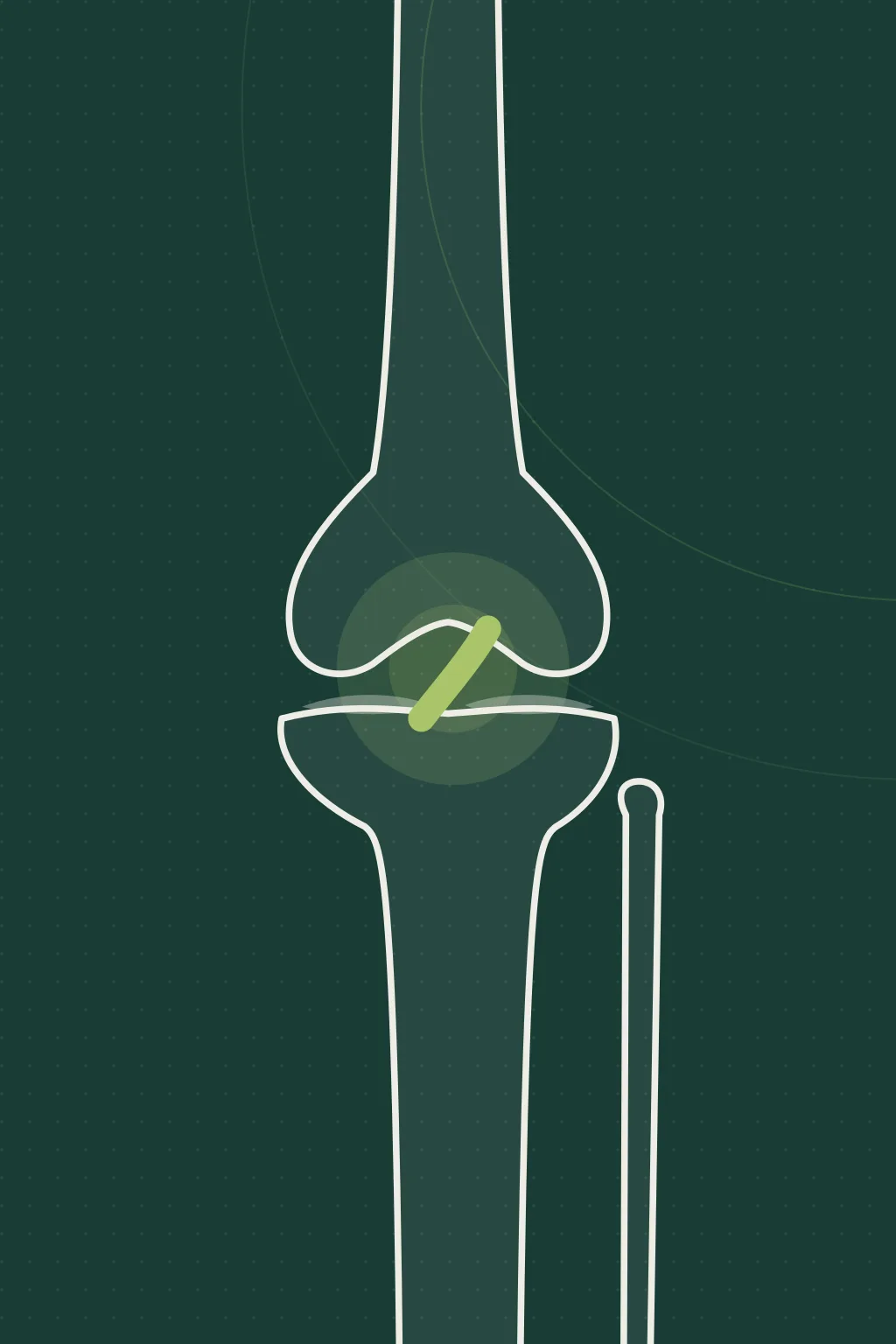
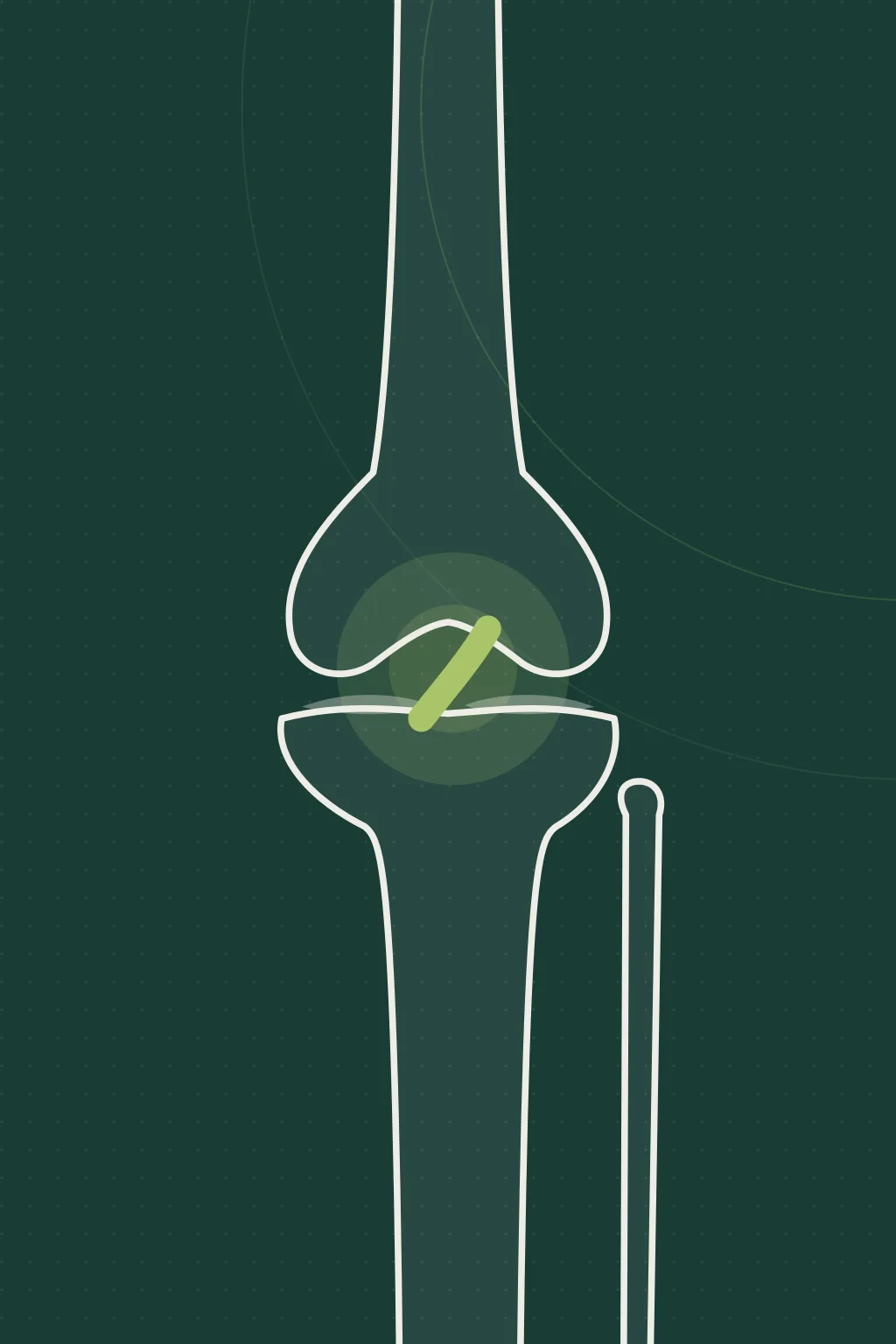
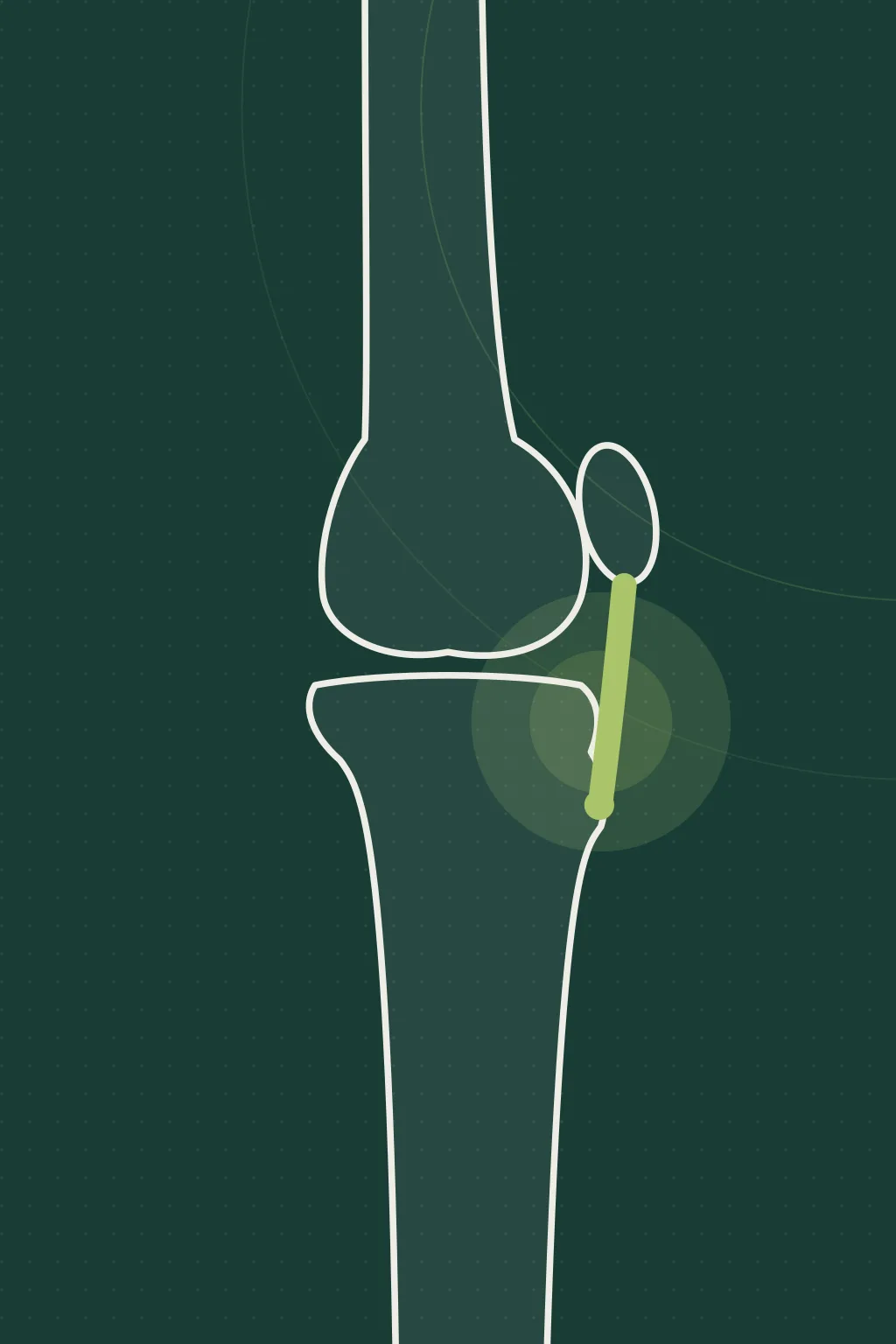
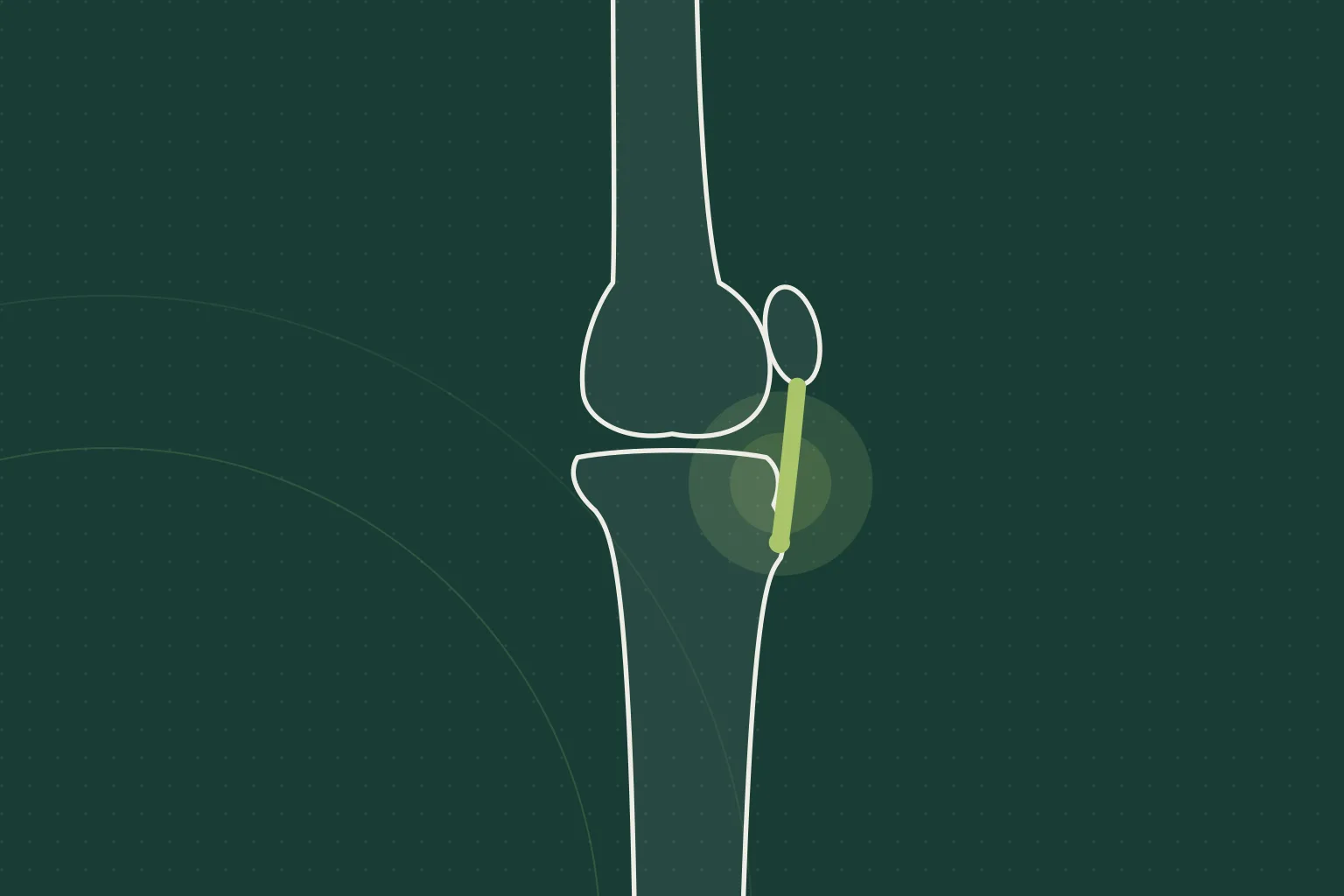
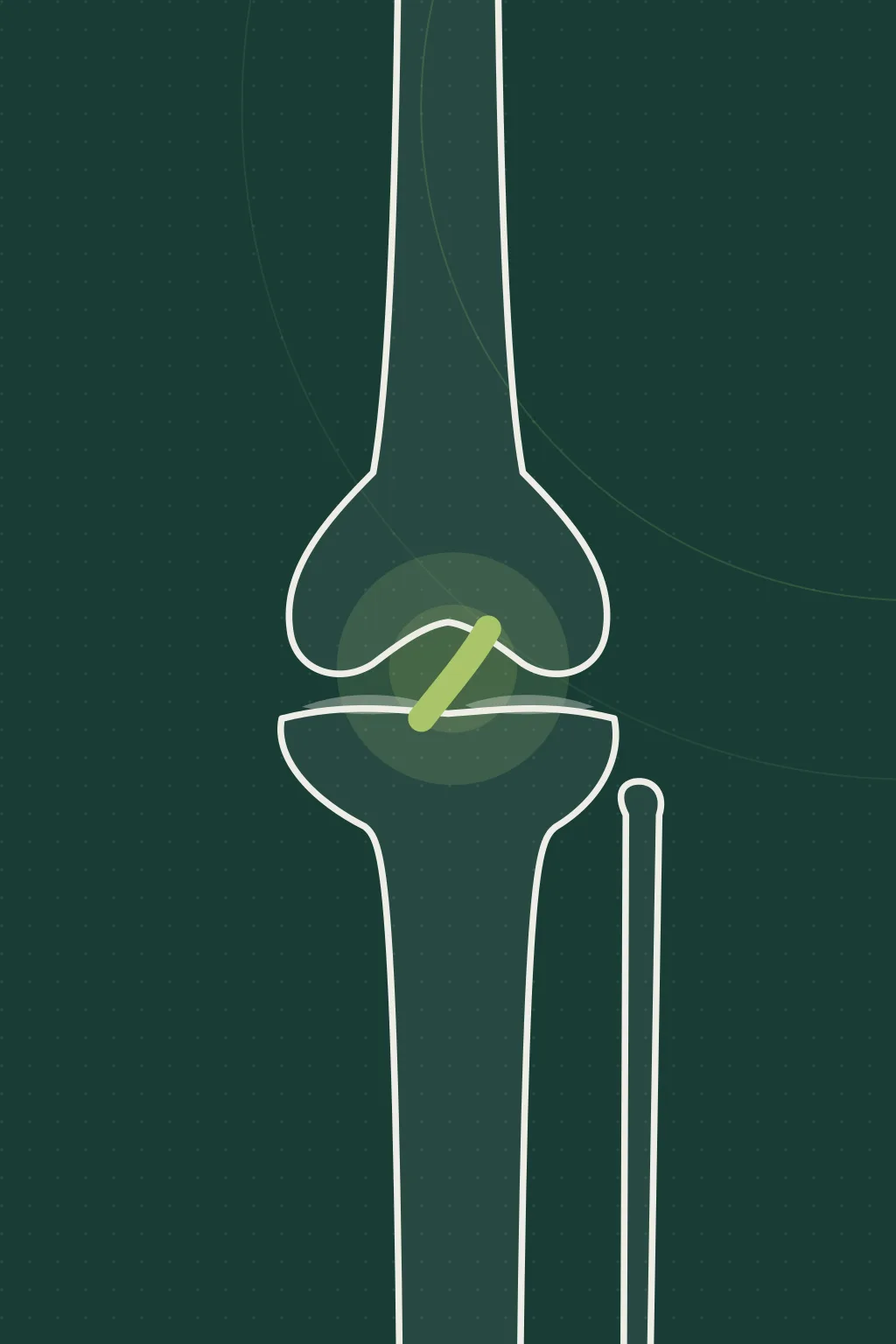
Illustration of the affected joint, not a photograph of the patient

Patient and presentation

Patient name

S.K.K.

Age at intake

22, male

Occupation

Profession - placeholderPlaceholder

Condition

Left knee Osgood–Schlatter disease with distal patellar tendinopathy. Clinical examination and imaging demonstrated traction apophysitis of the tibial tuberosity with associated distal patellar tendon degeneration.
The Full Journey

Illustration of the affected joint, not a photograph of the patient

Patient and presentation

Problem treated
Persistent left anterior knee pain due to Osgood–Schlatter disease, limiting sports participation for over one year
Prior recommendation
Prolonged rest from sport, activity modification, physiotherapy, NSAIDs and gradual return to play. Symptoms persisted despite conservative treatment, which led to consideration of regenerative injection therapy.
How he found OSSO
Referral source - placeholderPlaceholder

The OSSO protocol

Regenerative Tendon Restoration Protocol. A high-dose Growth Factor Concentrate injection targeting the distal patellar tendon and the periosteum of the fragmented tibial tuberosity, to stimulate biological healing - combined with a structured, phase-wise rehabilitation programme to progressively restore function and facilitate a safe return to sport.

Weeks 1–2 - Biological healing

Post-injection healing phase, with early pain reduction and protected activity.

Weeks 3–6 - Tendon recovery

Progressive tendon recovery, restoration of normal movement and gradual reloading.

Weeks 7–12 - Remodelling and strength

Continued tendon remodelling with increasing strength, function and sport-specific capacity.

Weeks 13–16 - Return to sport

Advanced functional recovery and return to unrestricted sporting activity.

Before treatment vs. week 16

At intake

Pain (VAS)
7–8 / 10, chronic anterior knee pain
Tibial tuberosity
Localised tenderness; imaging consistent with fragmentation
Distal patellar tendon
Tenderness; tendinopathy on imaging
Provocative activity
Pain reproduced with squatting, running and jumping
Range of motion
Preserved
Lower limb strength
Reduced tolerance to sports participation
Daily function
Sports participation limited for over a year

Week 16

Pain (VAS)
1–2 / 10
Tibial tuberosity
Minimal tenderness
Distal patellar tendon
Improved tendon loading capacity
Provocative activity
Running, jumping and sport without significant symptoms
Range of motion
Full knee range of motion
Lower limb strength
Restored lower limb strength
Daily function
No functional limitation in daily activities

Overall, an approximate 80–90% reduction in pain, alongside reduced tenderness over the tibial tuberosity, reduced pain during jumping and sprinting, and reduced dependence on pain medication.
Treatments Used

Single high-dose GFC injection
Day care, local anaesthesia
Graduated activity progression
Targeted home exercise programme
Periodic clinical reviews
Staged return-to-sport guidance

Care team

Receive a call back to book your appointment

Call Now

7011, 1st Floor DLF Phase-4, Gurugram Haryana – 122002

Monday – Friday : 10am – 8pm Saturday: 10am – 6pm
Chat with us