
Preventing falls and fractures in ageing parents: a practical guide for families
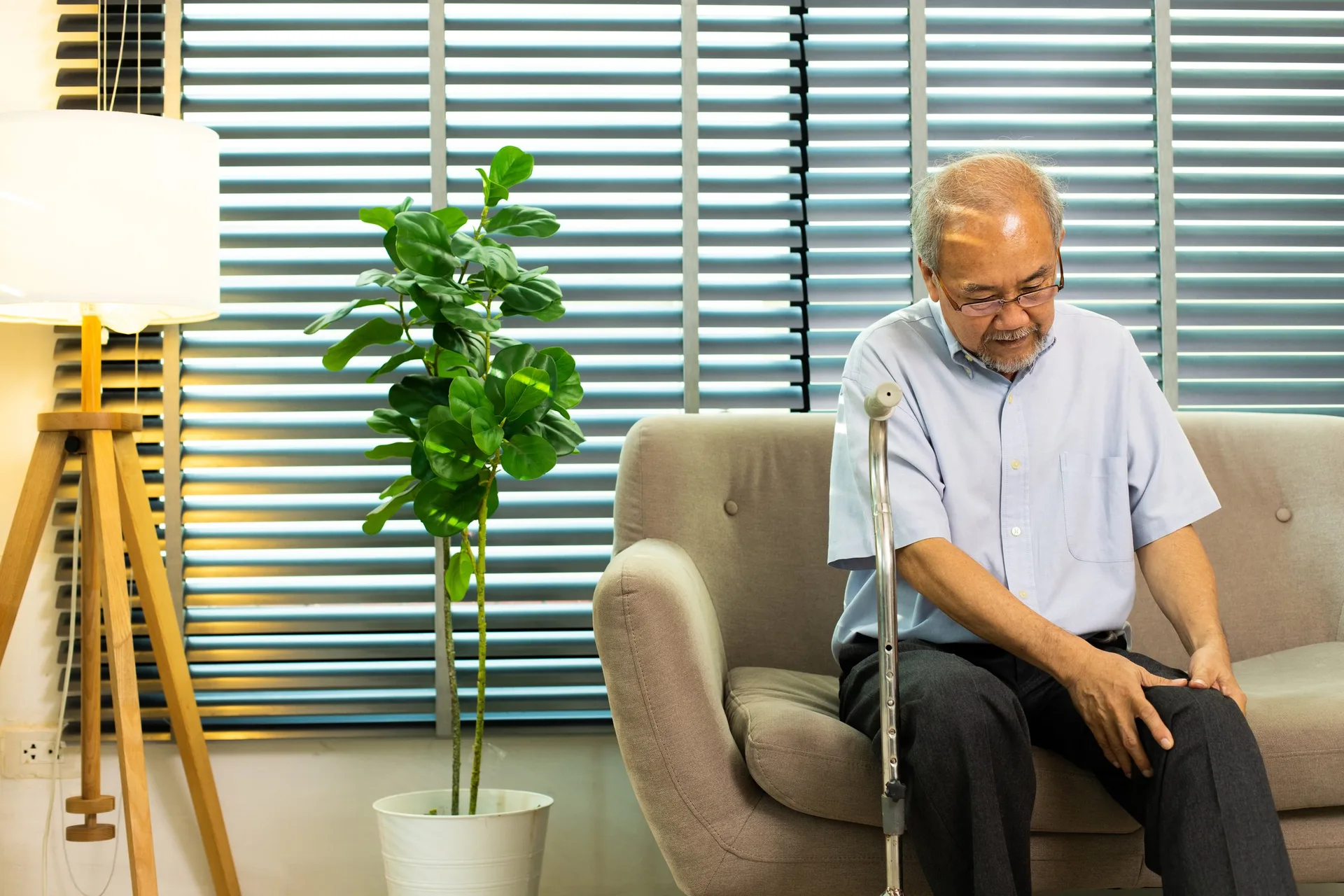
Falls are common in older adults, but most can be reduced. The biggest wins are regular strength and balance exercise, a review of your parent's medicines, regular eye and hearing checks, safer shoes, a home with fewer trip hazards, and healthy bones. Know what to do if a fall happens: call for emergency help if they hit their head, hurt their hip, back or neck, or cannot get up, and do not try to lift them yourself.
Most of us notice it first as a small thing. Your mother holds the wall on the way to the bathroom. Your father stops climbing stairs. A relative "just slipped" and says it was nothing. A fall in later life is rarely nothing. It can lead to a broken hip or wrist, a long stay in hospital, and a loss of confidence that makes the next fall more likely.
This guide is for adult children and caregivers. It covers what to do if a parent falls, how to tell whether they are at risk, and the changes at home, in their routine and in their health that lower that risk.
First: when a fall is an emergency
Call an ambulance if your parent has fallen and:
- Hit their head, especially if they take blood-thinning medicine, or became drowsy, confused, or sick (vomiting), or have a worsening headache
- Cannot get up, or cannot put weight on a leg
- Has pain in the hip, groin, back or neck
- Has a leg that looks shorter or turned outward
- Lost consciousness, or has chest pain, breathlessness or sudden weakness on one side
- Has bleeding that will not stop, or a deformed arm or wrist
Emergency services should be called if someone may have injured their head, back, neck or hip, or cannot get up.
Even if none of these apply, any fall is a reason for a medical review. A fall is often a sign of an underlying cause, such as a medicine side effect, low blood pressure or weak muscles.
What to do right after a fall
If you are with your parent:
- Stay calm and do not rush them up. Ask where it hurts and whether they hit their head.
- Do not lift them yourself. Trying to lift someone who has fallen can hurt both of you. Keep them warm and comfortable while you get help.
- Check for the emergency signs above. If any are present, call 112.
- Only help them get up if they have no significant pain, no suspected injury and no pain when moving; if they do, keep them comfortable where they are until help arrives. If they are fine, let them take their time getting up using the steps below, then sit and rest, watch them closely for the rest of the day and book a medical review.
How an older adult can get up safely after a fall (if they feel able to):
- Roll onto their side.
- Push up onto their hands and knees.
- Crawl to a sturdy piece of furniture, such as a chair, and hold it.
- Put one foot flat on the floor, then the other, and stand up slowly.
- Turn and sit down, then rest.
If they cannot get up: use a phone or personal alarm if within reach, or shout or bang on a wall or the floor. Cover up with a blanket or coat to stay warm. If they have pain in the hip, back or neck, or think they may have broken a bone, they should stay still and wait for help rather than try to move.
If your parents live alone, make sure they can reach a phone or alarm from the floor. See the safety section below.
Why falls become fractures
A fall becomes a fracture when the bones are weak. Bone loss with age and osteoporosis make bones break more easily, sometimes after a minor fall. The most common fractures from falls are:
- Hip fracture: pain in the hip or groin, being unable to stand or walk, or a leg that looks shorter or turned outward
- Wrist fracture: from putting out a hand to break the fall
- Spine (vertebral) fracture: sudden back pain, sometimes after only a small movement
Osteoporosis does not mean every fall will break a bone. But it raises the risk, which is why preventing falls and protecting bones go together. See the bone health section below.
Is my parent at risk? A quick check
Doctors commonly screen older adults for fall risk with three questions. A "yes" to any one means your parent may be at risk:
- Do they feel unsteady when standing or walking?
- Do they worry about falling?
- Have they fallen in the past year? If so, how many times, and were they hurt?
A clinician can go further by checking walking, strength and balance, medicines, home hazards, blood pressure when standing, eyesight, feet and footwear, vitamin D and other health conditions.
A simple home test: Timed Up and Go. Sit your parent in a sturdy chair with arms. Ask them to stand, walk three metres at a normal pace, turn, walk back and sit down while you time them. If it takes 12 seconds or longer, mention it to their doctor.
Common reasons older adults fall:
- Weaker muscles and poor balance
- Conditions that affect balance or movement, such as arthritis, stroke, Parkinson's disease or dementia
- Low blood pressure, especially when standing up
- Side effects of some medicines
- Problems with eyesight or hearing
- Hazards at home
Make the home safer: a room-by-room guide
Most falls happen at home. These changes are small, cheap and effective.
| Where | Common hazard | Simple fix |
|---|---|---|
| Bathroom | Wet, slippery floor; getting up from a low seat or the floor | Non-slip mats, grab bars by the toilet and shower, a sturdy shower seat, a raised toilet seat |
| Bedroom | Getting up at night in the dark | Night lights, a bedside lamp within reach, a clear path to the bathroom, a phone beside the bed |
| Stairs | Poor lighting, loose steps, one handrail | Handrails on both sides, non-slip treads on bare steps, lights switched on before use |
| Living room | Loose rugs, cables, low furniture | Remove or fix rugs, tidy cables, move low tables out of walkways |
| Kitchen | Spills, items stored too high or low | Wipe spills at once, keep everyday items at waist to shoulder height, use a stable step stool with a handle only if needed |
| Entrance and outdoors | Steps without rails, slippery or uneven ground, doorsteps | Add a rail, mark the edge of steps, repair uneven floors |
Indian homes: extra things to check.
- Wet bathroom floors and low stools. Use a shower chair and anti-skid tiles rather than a bucket seat.
- Squat-style toilets. If your parent finds them hard to use, a raised seat or western-style toilet with grab bars may be safer.
- Sitting and sleeping on the floor. Getting up from the floor is a common fall point, so a firm bed and chair of a good height may help.
- Loose clothing, such as the end of a dupatta, sari or lungi, that can catch underfoot.
- Power cuts. Keep a torch or rechargeable light within reach.
- Pets and children's toys in walkways.
It also helps to keep walkways clear of clutter and cords, repair loose floorboards, clean up spills straight away, and turn lights on before using stairs.
Footwear that helps
Choose well-fitting, sturdy, flat shoes with a non-slip sole. Avoid high heels, floppy slippers, slick-soled shoes, and walking in socks. This matters indoors as well as outdoors, since many falls happen at home.
Strength and balance exercises
Exercise is one of the most effective ways to reduce falls. Doctors recommend balance and strength exercises at least twice a week. Strength training, walking, water workouts and tai chi all help.
Here are some simple moves a physiotherapist may use. Do them next to a sturdy counter or chair, and have someone nearby the first few times.
- Sit-to-stand: rise from a chair and sit down slowly, without using your hands if you can. Start with 5 and build up.
- Heel raises: hold the counter and lift onto your toes, then lower slowly.
- Standing with feet together, then one foot in front of the other: hold the counter and let go as you gain confidence.
- Single-leg stand: hold the counter and lift one foot for a few seconds, then swap.
- Walking: a short walk daily, at a pace that is comfortable.
- Tai chi or a supervised group class, if available nearby.
Stop and get medical advice if exercise causes chest pain, dizziness, breathlessness or sharp pain. Check with your parent's doctor before starting, especially after a fracture, a heart condition or surgery. A physiotherapist can build a programme that matches their ability.
If your parent is afraid of falling and avoids moving, tell their care team. A monitored exercise programme or a physiotherapy referral can help.
Medicines that can increase fall risk
Some medicines cause dizziness, drowsiness or a drop in blood pressure. Sedatives, antihistamines and some antidepressants can affect alertness. Blood pressure tablets, and taking several medicines together, can also add to the risk. Ask a doctor or pharmacist whether any medicine could be affecting balance.
What you can do:
- Bring all medicines to the appointment, including over-the-counter medicines, herbal products and supplements.
- Ask whether any can be reduced or changed. Never stop a medicine without medical advice.
- Ask for a review after any fall, and whenever a medicine or dose changes.
Eyes, ears and feet
- Eyes: have regular eye tests, and make sure glasses are the right prescription. Take care with multifocal lenses on stairs.
- Hearing: have regular hearing checks.
- Feet: painful or numb feet can affect balance. Mention foot problems to the doctor.
Protect the bones: vitamin D, calcium and osteoporosis
Strong bones make a fall less likely to become a fracture. Looking after bone health through calcium and vitamin D matters.
- Ask about a bone density (DEXA) scan. Our guide to osteoporosis in Indian women and when to get a DEXA scan explains who should consider testing. Men can have osteoporosis too, so ask your parent's doctor whether a scan makes sense.
- Ask about vitamin D. Low vitamin D is common in India. Our guide to vitamin D deficiency and body pain in India explains when testing makes sense. Do not start high-dose supplements without medical advice.
- Eat well and stay hydrated, with calcium-rich foods in the diet, as well.
- Treatment: if osteoporosis is diagnosed, a doctor can discuss medicines that protect bone.
Conditions that raise the risk
Some health problems make falls more likely:
- Arthritis and joint pain. A painful knee or hip can change how a person walks. If your parent has knee arthritis, treatment can improve movement and confidence. See our page on knee arthritis treatment in Gurgaon.
- Stroke, Parkinson's disease and dementia, which affect balance, movement and judgement.
- Low blood pressure when standing up. Rise slowly from lying or sitting. A falls assessment should include blood pressure readings taken lying down and again after standing, to check for orthostatic hypotension, a treatable cause of dizziness and falls.
- Back pain and nerve problems. Our guide to lower back pain: causes and conservative treatment covers what to know.
When a fracture happens: recovery and rehabilitation
A hip fracture, wrist fracture or spine fracture is a turning point. Treatment depends on the bone and the person, and may include a splint or cast, a brace, or surgery. After treatment, rehabilitation matters as much as the repair. A physiotherapist can help your parent regain strength, balance and confidence, and get back to everyday life as safely as possible.
How to talk to a parent who says "I'm fine"
Many parents hide falls because they fear losing independence. These approaches help:
- Start with their goals. "I want you to keep living in your own home" lands better than "you are not safe."
- Make changes together. Let them choose the grab bar, the night light or the shoes.
- Frame it as keeping them active, not restricting them.
- Ask about near-misses, not only falls.
- Offer to go with them to the appointment.
- Plan for emergencies. Make sure they have a phone or personal alarm they can reach from the floor, and that a neighbour or relative has a spare key.
Your fall-prevention checklist
- Ask their doctor to review all medicines
- Get eyes and hearing checked
- Start strength and balance exercises, twice a week or more
- Replace slippery or worn footwear
- Remove loose rugs and cables; add night lights
- Add grab bars in the bathroom and rails on stairs
- Make sure they can call for help from the floor
- Ask about vitamin D and a bone density scan
- Book a falls-risk check if they have fallen, feel unsteady or are afraid of falling
How OSSO helps families in Gurugram and Delhi NCR
OSSO is an orthopaedic clinic, where orthopaedic surgeons, physical medicine and rehabilitation (PM&R) doctors and physiotherapists work together. For an ageing parent, that means a proper assessment first, then a plan that fits their health and home: strengthening and balance work with physiotherapy, care for painful joints, and advice on bone health and recovery after a fracture.