
Weight Management for Joint Health: How Losing Weight Reduces Orthopaedic Pain
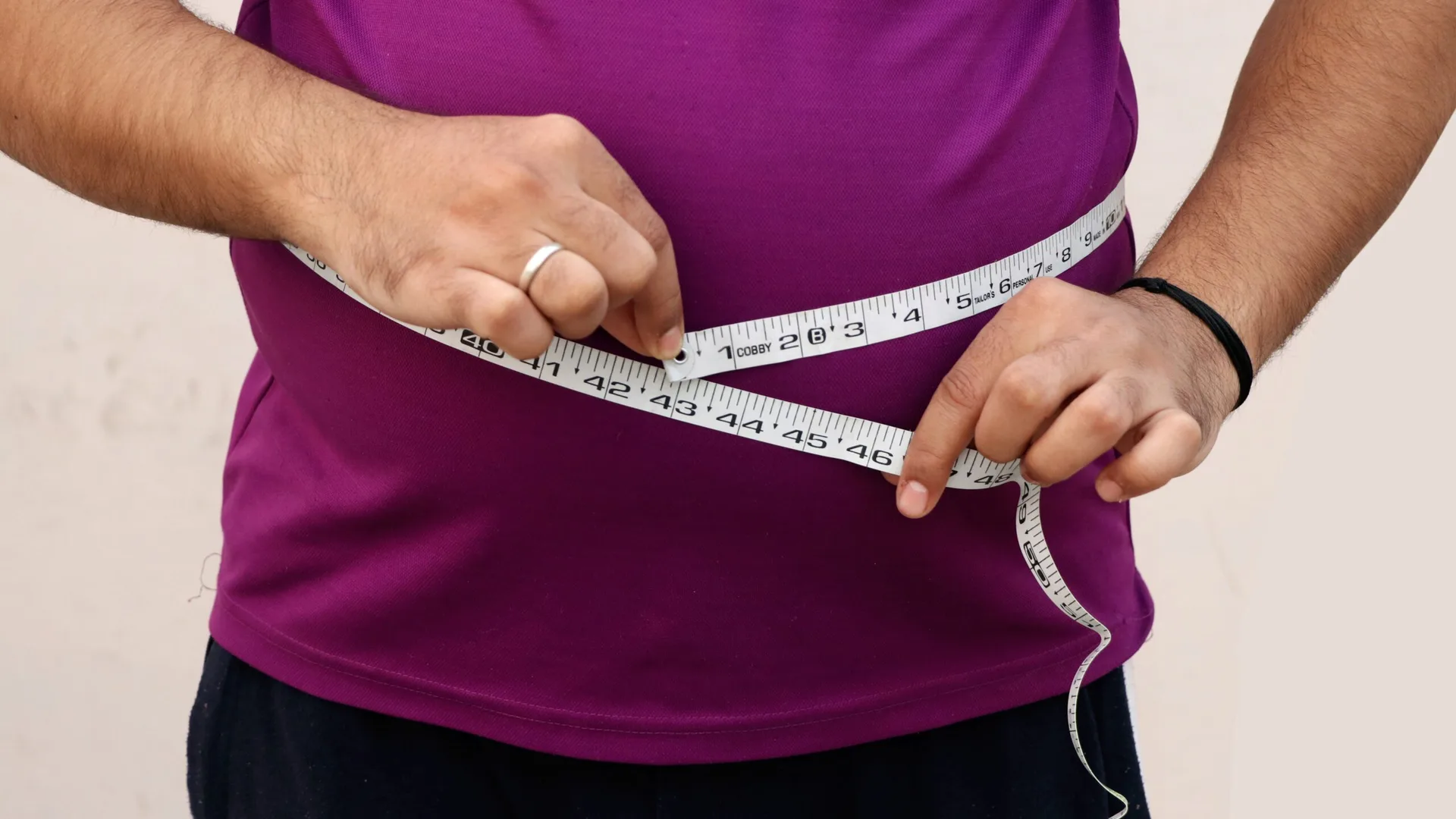
If you are overweight and experiencing knee, hip, or back pain, the relationship between your weight and your joints is not coincidental. Excess body weight is one of the most significant and modifiable risk factors for orthopaedic pain and arthritis, and the clinical evidence for weight loss as a joint health intervention is among the strongest in the entire field of musculoskeletal medicine. This guide explains exactly how excess weight damages joints, why losing weight reduces joint pain so dramatically, and how OSSO’s integrated orthopaedic and physiotherapy approach supports both the joint health goal and the weight management journey.
Key Takeaways
- Every extra kilogram of body weight exerts 4× the force on your knee joints during walking. This means 5 kg of excess weight adds 20 kg of compressive load with every step, the primary mechanism of excess weight joint damage.
- During stair climbing, the force multiplier at the hip reaches 6×; at the patella (kneecap) during squatting, it reaches 7–8×.
- Excess body fat is not just mechanical dead weight it is metabolically active tissue that produces inflammatory chemicals (cytokines and adipokines) that directly damage cartilage and worsen arthritis.
- A 5–10% reduction in body weight produces measurable improvements in joint pain, mobility, and function, with joint load benefits beginning immediately and pain improvements typically appearing over 8–12 weeks of consistent progress.
- Losing weight reduces the risk of knee replacement and, for many patients, delays or avoids it entirely.
- Rapid weight loss carries its own joint risks, muscle loss and bone density reduction, making structured, gradual weight management with physiotherapy supervision the right approach.
How Excess Weight Damages Your Joints: The Mechanism
The Mechanical Load Problem
The most widely known connection between weight and joint pain is mechanical: more weight means more load on the joint. But the numbers are more dramatic than most people realise.
- Knees: each extra kilogram of body weight generates approximately 4 kilograms of additional force on the knee joint during normal walking, making knee pain and weight one of the most direct cause-and-effect relationships in orthopaedics. This means carrying an extra 5 kg adds 20 kg of compressive load to your knee joint with every step. Over a typical day of walking, this accumulates to millions of additional Newton-metres of load, progressively wearing down the articular cartilage that allows smooth, pain-free joint movement.
- Hips: the force multiplier at the hip is approximately 6× during stair climbing. Hip osteoarthritis and hip pain are directly worsened by excess weight, and obesity significantly increases the risk of requiring hip replacement.
- Patella (kneecap): during squatting, lunging, or climbing stairs, the patellofemoral joint can experience 7–8× body weight as compressive force. This explains why overweight patients so commonly experience anterior knee pain, particularly on stairs.
- Spine and lower back: Each kilogram of excess abdominal weight increases the mechanical load on the lumbar intervertebral discs and facet joints. The lower back pain–weight relationship is direct; excess weight is a primary driver of lower back pain, lumbar disc herniation, and facet joint arthritis conditions that respond far better to conservative treatment when weight is simultaneously addressed.
The Inflammatory Problem: Why Fat Is Not Just Weight
This is the part most people do not know: body fat is not simply inert extra weight. Adipose tissue, particularly visceral (abdominal) fat, is metabolically active. It continuously produces inflammatory chemicals, including:
Cytokines, particularly interleukin-6 (IL-6) and tumour necrosis factor-alpha (TNF-α) drive inflammation, arthritis progression, and cartilage breakdown in the joint.
Adipokines are hormones produced specifically by fat cells. Leptin, in excess, promotes inflammatory pathways in cartilage and synovial tissue. Resistin is associated with increased arthritis severity. Abnormal adiponectin levels correlate with joint inflammation even in non-weight-bearing joints, which is why obese patients develop more severe rheumatoid arthritis and gout, even though those conditions are not purely mechanical.
The clinical implication: weight loss reduces joint pain through two separate pathways, simultaneously mechanical (less load) and metabolic (less inflammation). This dual mechanism is why the benefits of weight loss on joint health exceed what pure load reduction alone would predict.
Weight and the Three Main Types of Arthritis
Osteoarthritis: The Most Weight-Sensitive Arthritis
Osteoarthritis and weight are among the most studied relationships in musculoskeletal medicine. OA is the most common joint condition globally and the most directly influenced by body weight. OA is characterised by progressive loss of articular cartilage the smooth cushioning tissue on joint surfaces. Excess weight accelerates this loss through mechanical wear and inflammatory damage simultaneously.
Research shows that the odds of arthritis and osteoarthritis are up to 7 times higher for obese individuals compared with those at normal weight. The knee, hip, and lumbar spine are the most commonly affected weight-bearing joints.
The landmark IDEA trial (Intensive Diet and Exercise for Arthritis) a randomised controlled trial of 450 overweight and obese adults with knee osteoarthritis demonstrated that long-term weight loss of at least 10% of baseline body weight reduces knee joint loads, decreases inflammatory markers, slows disease progression, and produces clinically meaningful improvements in pain and function. This is one of the strongest clinical evidence bases for weight management as joint therapy.
Rheumatoid Arthritis: Inflammation Amplified by Weight
Rheumatoid arthritis (RA) is an autoimmune condition in which the immune system attacks the joint lining. Weight’s role here is metabolic rather than mechanical: excess adipose tissue amplifies the systemic inflammatory response through cytokine and adipokine secretion, making RA harder to control and symptoms more severe. Higher BMI is associated with poorer response to disease-modifying drugs in RA, meaning weight management directly improves treatment effectiveness.
Gout: The Uric Acid Connection
Gout is driven by elevated uric acid levels, which crystallise in joints, causing sudden, severe pain most commonly in the big toe, ankle, and knee. Being overweight significantly increases uric acid production and decreases its renal excretion. Weight management combined with appropriate dietary changes (reducing high-purine foods and fructose) is the most effective long-term gout management strategy alongside medication.
The Numbers That Matter: How Much Weight Loss Is Enough?
You do not need to reach ideal body weight to experience meaningful joint benefit. The evidence is clear that even modest reductions deliver significant clinical improvements:
| Weight Loss | Benefit to Knee Joint |
|---|---|
| 1 kg lost | 4 kg less force per step on the knee |
| 5 kg lost | 20 kg less force per step, equivalent to wearing a 20 kg vest all day, every day |
| 5–10% of body weight | Measurable reduction in knee and hip pain, improved mobility, lower inflammatory markers |
| 10%+ of body weight | Slowed OA progression per IDEA trial; reduced risk of knee replacement |
Losing just 5 kg reduces the compressive load on each knee by approximately 20 kg per step. Over a day of normal walking (roughly 6,000–8,000 steps), this represents a reduction of over 100,000 kg-steps of joint load every single day. Weight-loss-related knee pain reduction is not a placebo; it is the direct physical consequence of dramatically reduced joint loading.
Weight, Joints, and the Spine
Lower back pain is the orthopaedic condition most closely linked to excess abdominal weight, yet it is the least discussed in typical weight-joint health articles. Excess abdominal fat shifts the body’s centre of gravity forward, increasing lumbar lordosis (the forward curve of the lower back), placing increased load on the facet joints, and raising intradiscal pressure on the lumbar intervertebral discs.
The consequences: accelerated lumbar disc degeneration, facet joint osteoarthritis, and a significantly higher risk of disc herniation and lower back pain. Weight management combined with core strengthening through structured physiotherapy is the most effective long-term intervention for chronic lower back pain in overweight patients.
Vitamin D deficiency, which is extremely common in overweight individuals due to sequestration of fat-soluble Vitamin D in adipose tissue, further compounds this, contributing to muscle weakness, bone loss, and joint pain independently of mechanical load.
India-Specific Context: Why This Matters Here
India’s joint health statistics are stark. India has one of the highest global burdens of knee osteoarthritis, driven by a specific combination of factors:
- Sedentary urban lifestyle, desk work, extended commutes, and low step counts accelerate both weight gain and joint deconditioning simultaneously.
- Indian dietary patterns, high-carbohydrate, refined food consumption in urban India, drives metabolic syndrome and visceral fat accumulation and the connection between visceral fat and joints is particularly damaging, as visceral fat is the most metabolically active and inflammatory fat type.
- Metabolic syndrome in India has among the highest global rates of abdominal obesity and metabolic syndrome, even at BMIs that would be classified as “normal” by Western standards. Indian guidelines use lower BMI cut-offs for overweight and obesity precisely because South Asian populations carry disproportionate visceral fat at lower weights.
- Squatting and floor-sitting activities are culturally common postures in India that load the patellofemoral joint at 7–8× body weight, making knee pain particularly prevalent among overweight Indians.
- Under-recognition, many Indian patients accept joint pain as an inevitable consequence of ageing or physical activity rather than recognising excess weight as a treatable and modifiable cause.
Joint-Friendly Weight Management Strategies
Weight management for joint health requires an approach that reduces body weight without damaging the very joints you are trying to protect. OSSO’s physiotherapy team designs exercise programmes specifically for patients with existing joint pain, building conditioning and supporting weight loss without aggravating the affected joints.
- Low-Impact Aerobic Exercise: Swimming, cycling, water aerobics, and walking on level ground provide cardiovascular conditioning and calorie expenditure without the high-impact loading of running or jumping. These are the most joint-appropriate starting points for overweight patients with knee or hip pain.
- Strength Training Around the Joint: Building the muscles that support arthritic joints particularly the quadriceps for the knee, the gluteal muscles for the hip, and the core muscles for the spine reduces joint load even before weight loss occurs. At OSSO, Dr. Devashish Raturi’s physiotherapy team designs progressive resistance programmes that strengthen these key muscle groups safely. Strong muscles act as shock absorbers, reducing the impact transmitted to the joint surface with every step.
- Anti-Inflammatory Nutrition: Weight loss reduces joint pain through both load reduction and inflammatory reduction. An anti-inflammatory dietary approach rich in omega-3 fatty acids (oily fish, walnuts), colourful vegetables and fruits, and whole grains reduces systemic inflammatory markers and directly benefits both OA and RA.
- The Rapid Weight Loss Warning: Crash diets and rapid weight loss carry specific risks for joint patients that are rarely discussed: rapid weight loss may destabilise joints, lead to muscle and bone loss, and increase the risk of malnutrition and osteoporosis. Losing muscle mass reduces the very shock-absorbing capacity that protects joints; the joint load may actually increase after rapid weight loss despite lower body weight. Gradual, structured weight management with simultaneous muscle strengthening is the correct approach.
When Weight Management Is Not Enough: OSSO’s Integrated Approach
Weight loss for arthritis and weight and arthritis management more broadly is a powerful intervention. But for patients already experiencing significant joint pain, waiting for weight loss to provide relief is not always feasible the pain itself limits the movement needed to lose weight, creating a vicious cycle. At OSSO, we address this cycle from both directions simultaneously:
- Physiotherapy-led rehabilitation, Dr Devashish Raturi’s team designs low-impact exercise protocols that build strength and conditioning even in significantly overweight patients with joint pain, supporting both pain management and weight management.
- Orthopaedic diagnosis Dr. Karan Raj Jaggi assesses the structural state of your joints through clinical examination and imaging, establishing what degree of joint involvement is present and which interventions are most appropriate at your current stage.
- Regenerative medicine For patients with established knee arthritis, GFC and PRP therapies reduce joint inflammation, support cartilage health, and reduce pain creating the conditions in which exercise and weight management become more achievable. The cost-effectiveness of regenerative treatment makes it an accessible option for many patients.
- The OSSO 360° Assessment evaluates both the structural and functional status of your joints using AI-powered posture analysis, balance mapping, and both orthopaedic and physiotherapy evaluation to build a personalised plan that addresses your joint condition, your weight management goals, and your functional capacity together.
Book a consultation at OSSO to start your joint health and weight management plan today.