Reviewed by Dr. Karan Raj Jaggi
Dr. Karan Raj Jaggi is a triple board-certified, internationally trained orthopaedic surgeon super-specialising in regenerative orthopaedics, sports injuries and fast-track joint replacements.He currently serves as the Chief Medical Officer and Head, Regenerative Orthopaedics at Osso Orthopaedic Centres, where he leads cutting-edge orthopaedic care with a focus on holistic, patient-centric treatments.
March 19, 2026
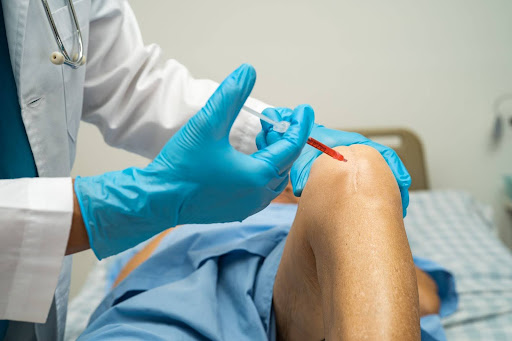
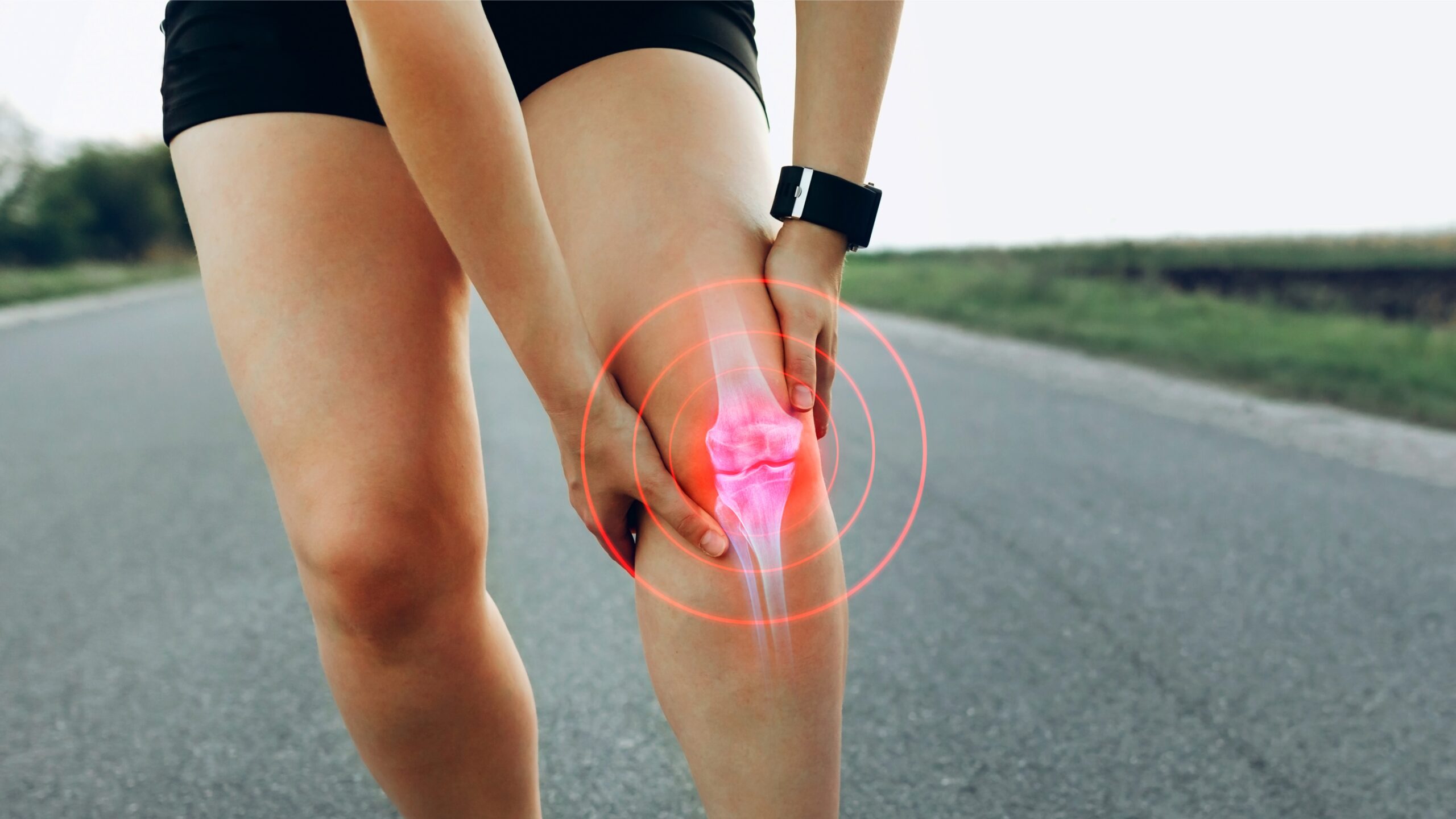
PRP (platelet-rich plasma) and GFC (growth factor concentration) therapy work by using your body’s own healing response to repair damaged tissue. They are effective treatments. But like most things in medicine, results are better when your body is in a good position to respond. Smoking and alcohol can slow that response down. Not enough to make the treatment pointless, but enough to affect how quickly and how well you recover. The good news? Even small adjustments before and after your session can shift the results meaningfully in your favour.
How Alcohol Affects Tissue Regeneration?
Alcohol doesn’t just slow healing, but it actively disrupts the biological processes that regenerative treatments rely on.
- Reduced protein synthesis. Muscle and tissue repair depends on new protein being made at the cellular level. Studies have shown that alcohol consumption can reduce muscle protein synthesis by up to 30%, even after a single episode of heavy drinking. For someone who’s just had PRP injected into a damaged joint or tendon, that’s a direct hit on the repair process.
- Impaired platelet function. Platelet-rich plasma therapy works because of concentrated platelets and the growth factors they release. Alcohol alters how platelets aggregate and function. Research from the Framingham Offspring Study found that alcohol affects platelet activation, which means the very cells you’re relying on for healing may underperform if alcohol is in your system.
- Increased inflammation and oxidative stress. Regenerative treatments use controlled inflammation as a trigger for repair. Alcohol throws off this balance by increasing pro-inflammatory cytokines beyond what’s useful. At the same time, it depletes glutathione, the body’s primary antioxidant, leaving tissues more vulnerable to oxidative damage during the healing window.
- Hormonal disruption. Alcohol has been shown to raise cortisol levels by as much as 152% within hours of consumption. Elevated cortisol suppresses growth hormone production, which plays a direct role in tissue regeneration, muscle regeneration, and bone remodelling. It also reduces testosterone, which supports muscle repair and bone density.
- Dehydration. Alcohol is a diuretic. It suppresses the release of vasopressin, causing the kidneys to flush out more water. Since muscles are roughly 75% water and blood flow is essential for delivering growth factors to the treatment site, even mild dehydration can compromise outcomes.
Must read: Are Regenerative therapies right for your joint pain?
How Smoking Affects Regenerative Treatment Outcomes?
Smoking is one of the most well-documented risk factors for poor healing. When it comes to regenerative medicine, the data is consistent and concerning.
- Restricted blood supply. Nicotine causes vasoconstriction, narrowing blood vessels and reducing oxygen delivery to the treatment area. Regenerative procedures depend on a robust vascular supply to carry growth factors, stem cells, and nutrients where they’re needed. Smoking chokes off that supply.
- Delayed bone healing. Meta-analyses have linked smoking to significantly higher rates of non-union after fractures and increased risk of surgical site infection. For patients undergoing regenerative treatments for bone-related conditions, smoking extends recovery time and raises the likelihood of a poor outcome.
- Altered inflammatory response. Much like alcohol, smoking disrupts the inflammatory cascade. It increases baseline levels of inflammatory markers while reducing the body’s ability to mount a coordinated healing response. The result is chronic, low-grade inflammation that works against, not with, regenerative therapies.
- Higher infection risk. Smoking weakens the immune system. After any injectable procedure, whether it’s PRP or GFC, the body needs a competent immune response to protect the treatment site. Smokers face a measurably higher risk of post-procedure complications.
Medications That Can Also Undermine Regenerative Treatment
Most patients think about alcohol and smoking, but common medications are just as disruptive.
- NSAIDs (ibuprofen, naproxen, aspirin) block the inflammatory response PRP depends on. Stop at least 7 days before and avoid it for 2–4 weeks after.
- Corticosteroids, recent steroid injections, suppress the same healing signals that regenerative therapy tries to activate. Wait 4–6 weeks between a steroid shot and PRP at the same site.
- Blood thinners (warfarin, rivaroxaban) affect platelet activity directly. Consult your prescribing doctor before any regenerative procedure.
Always disclose your full medication list to your specialist before treatment.
Must read: How Is Regenerative Medicine Changing ACL Injury Recovery?
How Nutrition Affects Your Recovery
Growth factors need raw materials to work with. If your diet is poor, healing slows regardless of how well the procedure went.
- Protein is essential for tendon, muscle, and collagen repair. Aim for 1.2–1.6g per kg of body weight daily. Prioritise eggs, fish, lean meat, and legumes.
- Vitamin C directly supports collagen synthesis. Found in citrus fruits, bell peppers, and broccoli.
- Zinc drives cell division and immune response during healing. Found in red meat, shellfish, and seeds.
- Omega-3s support the resolution phase, helping tissue transition from inflammation to remodelling. Found in salmon, walnuts, and flaxseeds.
- Avoid refined sugars, ultra-processed foods, and high omega-6 oils. These promote systemic inflammation and work against recovery.
Sleep and Stress: The Variables Most Patients Ignore
- Most growth hormones are released during deep sleep. This is when tissue repair actually happens. Aim for 7–9 hours consistently throughout your recovery window.
- Cortisol chronic stress raises cortisol, which suppresses immune function and slows collagen production. The same hormonal disruption caused by alcohol can also come from unmanaged stress.
- Practical steps: consistent sleep schedule, less screen time before bed, reduced afternoon caffeine, and, where possible, minimising major stressors during the recovery period.
Must read: Acute vs Chronic Sports Injuries: What’s the difference?
Physical Activity: What’s Safe and What Isn’t
- Days 1–3 rest the treated area. No heavy loading, high-impact movement, heat packs, or hot baths on the treatment site.
- Days 3–14, gentle movement encouraged. Walking, light stretching, and passive range-of-motion exercises support circulation without stressing healing tissue.
- Week 2 onwards, progressive loading under physiotherapy guidance. Tendons need controlled mechanical stress to remodel properly.
- Always avoid contact sports, heavy gym work, and high-impact activity.
What Does This Mean for Patients?
Smoking and drinking regularly do not rule you out from regenerative treatment. But both habits directly interfere with how well your body heals, so making changes before and after the procedure can significantly improve your results.
Most orthopaedic specialists recommend stopping alcohol at least 3 days before and after a PRP injection. For smoking, the ideal window is 4 to 6 weeks of cessation before a procedure, continuing through the recovery period. Even short-term quitting has been shown to improve healing outcomes meaningfully.
At OSSO, we take a conservative-first approach to musculoskeletal care, and that includes being upfront about lifestyle factors that affect treatment success. When we recommend regenerative therapies like PRP or GFC, we also discuss what patients can do on their end to give the treatment the best chance of working. Regenerative medicine is powerful, but it isn’t a magic fix. It works with your body, not despite it.
Frequently Asked Questions about Regenerative Treatment in Gurgaon
Should I stop drinking alcohol before a PRP injection?
Yes. Alcohol affects platelet function and increases inflammation. Most clinicians advise avoiding alcohol for at least 72 hours before and after the procedure.
Does occasional drinking affect healing?
Even moderate alcohol use during the early healing window can interfere with protein synthesis and growth factor release. The first two weeks post-treatment are the most critical.
How long before a procedure should I stop smoking?
4 to 6 weeks is recommended for the best outcomes. Even 2 weeks of cessation shows measurable improvement in blood flow and tissue oxygenation.
Will the regenerative treatment fail if I don’t quit?
Not necessarily fail, but the results may be weaker, slower, or shorter-lasting. Lifestyle modifications significantly improve the likelihood of a good outcome.