Reviewed by Dr. Karan Raj Jaggi
Dr. Karan Raj Jaggi is a triple board-certified, internationally trained orthopaedic surgeon super-specialising in regenerative orthopaedics, sports injuries and fast-track joint replacements.He currently serves as the Chief Medical Officer and Head, Regenerative Orthopaedics at Osso Orthopaedic Centres, where he leads cutting-edge orthopaedic care with a focus on holistic, patient-centric treatments.
March 31, 2026
If you’ve ever torn a ligament or strained a tendon, you know how frustrating the recovery can be. Weeks turn into months. Painkillers help temporarily but don’t fix anything. Physiotherapy works, but progress feels slow. And surgery? That’s a whole different conversation, long downtime, rehabilitation, and no guarantee you’ll perform the same way again.
Regenerative medicine for sports injuries is now offering athletes a middle path. One that’s faster than waiting it out, and far less invasive than going under the knife.
At OSSO, we specialise in these treatments. And we’ve seen firsthand how they’re helping athletes from weekend cricketers to professional footballers get back on their feet quicker than traditional methods ever allowed.
Why Ligament and Tendon Injuries Take So Long to Heal?
Ligaments and tendons aren’t like muscles, and they don’t have a rich blood supply. Blood is what carries all the good stuff, oxygen, nutrients, and growth factors that your body needs to repair damaged tissue. So when you injure a ligament (which connects bone to bone) or a tendon (which connects muscle to bone), healing is naturally slow. Sometimes painfully slow.
Common injuries athletes deal with include:
ACL tears (knee)
Rotator cuff injuries (shoulder)
Tennis elbow
Achilles tendonitis
Patellar tendinopathy (jumper’s knee)
Ankle ligament sprains
The usual approach? Rest. Ice. Anti-inflammatory tablets. Physiotherapy. And if it’s bad enough, surgery. These methods work, but they have limitations. Rest alone can take six months or more. Surgery means cutting into healthy tissue, potential complications, and a lengthy rehab process.
Regenerative treatment for ligament injuries offers something different.
What is Regenerative Medicine?
In simple terms, regenerative medicine uses your body’s own healing ability, but amplifies it. Instead of waiting for nature to take its course, we concentrate the healing factors and deliver them directly to the injury site.
No synthetic drugs, no foreign substances but your own biology, working harder and faster. At OSSO, we offer two main regenerative therapies for athletes:
Also read: Are Regenerative therapies right for your joint pain?
1. PRP Therapy (Platelet-Rich Plasma)
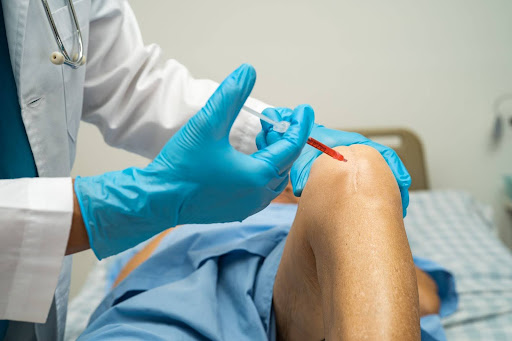
PRP therapy for sports injuries has become one of the most popular treatments among athletes worldwide. Here’s how it works:
We draw a small amount of blood from your arm. This blood goes into a centrifuge machine that spins it at high speed. The spinning separates your blood into layers, and we extract the layer that’s packed with platelets.
Platelets contain growth factors. These are proteins that tell your body to start repairing tissue. When we inject this concentrated platelet-rich plasma directly into your injured tendon or ligament, it kickstarts the healing process.
Why athletes prefer PRP:
It’s your own blood, so there’s zero risk of rejection
The procedure takes less than an hour
You can go home the same day
Recovery is significantly faster than surgery
Works well for partial tears and chronic tendon problems
2. GFC Therapy (Growth Factor Concentrate)
Think of GFC therapy as the next level of PRP. While PRP contains platelets along with other blood components, GFC extracts only the growth factors and nothing else. A purer, more concentrated solution that delivers healing factors without the inflammatory components sometimes found in regular PRP.
Many patients report less discomfort after a GFC injection compared to PRP, and the results are often more consistent.
GFC is ideal for:
Stubborn injuries that haven’t responded to other treatments
Athletes who want minimal post-injection soreness
Chronic tendinopathies like tennis elbow or Achilles tendonitis
Also read: How Is Regenerative Medicine Changing ACL Injury Recovery?
Sports Injuries That Respond Well to Regenerative Treatment
Not every injury needs regenerative medicine. But many do. Here are the conditions where we see the best results:
ACL partial tears
MCL injuries
Meniscus tears
Rotator cuff tendinopathy
Tennis elbow and golfer’s elbow
Plantar fasciitis
Achilles tendon injuries
Hamstring strains
Chronic ankle instability
The key is timing. Regenerative treatment for tendon injuries works best when started early, before the damage becomes too severe or before scar tissue sets in.
How Regenerative Medicine Speeds Up Recovery
So what makes these treatments faster than the traditional route?
1. Direct Delivery
Instead of waiting for healing factors to reach your injury through normal blood flow (which is limited in tendons and ligaments), we inject them directly where they’re needed. This cuts down healing time significantly.
2. Higher Concentration
Your blood naturally contains platelets and growth factors. But not in high enough concentrations to heal a major injury quickly. PRP and GFC treatments concentrate these elements, sometimes 5 to 10 times higher than normal levels.
3. Better Quality Healing
This is important. Regenerative treatments don’t just heal faster, they heal better. Instead of forming scar tissue (which is weaker and less flexible), these therapies promote the growth of healthy, organised tissue. That means better long-term function and lower risk of re-injury.
4. No Surgical Downtime
Surgery means hospital stays, anaesthesia, wound care, and months of rehabilitation. Regenerative treatments are outpatient procedures. You walk in, get your injection, and walk out. Most patients are back to light activity within days.
Must read: PRP Injections for Knee Osteoarthritis: what to expect?
What to Expect During Treatment at OSSO
If you’re considering regenerative medicine for knee injuries, shoulder problems, or any other sports-related issue, here’s what the process looks like at OSSO:
Step 1: Diagnosis
We start with a thorough evaluation. This includes imaging (MRI or ultrasound) to understand exactly what’s damaged and how severe it is. Not every injury is suitable for regenerative treatment, so accurate diagnosis is crucial.
Step 2: Treatment Planning
Based on your injury, fitness level, and goals, we recommend the most appropriate therapy PRP or GFC. Sometimes a combination with hyaluronic acid works best.
Step 3: The Procedure
Most treatments take 30 to 60 minutes. Blood or bone marrow is collected, processed, and injected into the injury site.
Step 4: Recovery and Rehabilitation
You’ll rest for a day or two, then begin a structured physiotherapy programme. At OSSO, our orthopaedic specialists and physiotherapists work together to ensure your recovery is complete, not just symptom relief, but full functional restoration.
Is Regenerative Medicine Right for You?
These treatments aren’t for everyone. They work best for:
Partial ligament tears (not complete ruptures)
Chronic tendon injuries that haven’t improved with rest
Early to moderate cartilage damage
Athletes who want to avoid or delay surgery
People who’ve tried physiotherapy but aren’t seeing results
If your injury is too severe, say a complete ACL rupture, surgery might still be necessary. But even then, regenerative treatments can support post-surgical healing.
Must read: Common Sports Injuries: Prevention, Treatment, and Recovery
Why Choose OSSO for Regenerative Orthopaedics?
At OSSO, we focus exclusively on musculoskeletal health. Our team includes experienced orthopaedic specialists and physiotherapists who understand what athletes need, not just pain relief, but a return to full performance.
We use the latest protocols for PRP therapy and GFC therapy. As we combine regenerative treatments with customized rehabilitation plans for the best possible outcomes.
Whether you’re a professional athlete or someone who plays sports on weekends, we treat every injury with the same level of care and expertise.
Ligament and tendon injuries don’t have to sideline you for months. Regenerative medicine for athletes offers a faster, safer, and more effective path to recovery one that works with your body instead of against it.
If you’re tired of waiting for injuries to heal on their own, or if you’re dreading the thought of surgery, there’s another option.
Book a consultation at OSSO today. Let’s get you back in the game.
Frequently Asked Questions about Regenerative Medicine in Gurgaon
Q: When will I start seeing results from PRP or GFC therapy?
The majority of patients start to feel better within 4-6 weeks of receiving treatment. Most individuals will see complete healing (full recovery) in 2-3 months and the amount of time it takes to heal from an injury is based on the severity of the injury.
Is there pain associated with a regenerative treatment?
No. Regenerative therapies reduce pain, improve function, and may slow progression, but they do not cure osteoarthritis or restore cartilage to its original state.
Will I need surgery if I use regenerative medicine?
In many cases, the patient can avoid having surgery. Many partial tears (i.e. areas where tendon tissue is only partially torn) and chronic injuries to tendons that have occurred over time (chronic tendon damage) are able to heal themselves with regenerative medicine, therefore, surgery is not indicated for these types of injuries.
How long until I can return to my sport after receiving treatment?
This depends on the type of injury and the type of therapy received to treat the injury. The majority of individuals can return to light activities within 1-2 weeks and full return to sports in 2-4 months.