Reviewed by Dr. Karan Raj Jaggi
Dr. Karan Raj Jaggi is a triple board-certified, internationally trained orthopaedic surgeon super-specialising in regenerative orthopaedics, sports injuries and fast-track joint replacements.He currently serves as the Chief Medical Officer and Head, Regenerative Orthopaedics at Osso Orthopaedic Centres, where he leads cutting-edge orthopaedic care with a focus on holistic, patient-centric treatments.
August 24, 2026
For most women, the standard DEXA screening age is around 65, but Indian women may develop low bone mass and fragility fractures at younger ages than many Western populations, so screening is often advised sooner, frequently from menopause (around age 45–50), or earlier if you have risk factors like early menopause, a family history, low body weight, long-term steroid use, or a fracture from a minor fall. A DEXA scan is a quick, painless bone-density test that gives a “T-score”, the number that shows whether your bones are healthy, thinning (osteopenia), or osteoporotic, often before any symptoms appear.
Osteoporosis is often called a silent disease because it thins your bones for years without a single symptom, until a minor fall causes a fracture. For Indian women, there’s an added problem: it tends to arrive earlier than in the West, sometimes in the late 40s rather than the 60s. The good news is that bone loss is easy to detect long before a fracture, with a simple, painless scan. This guide explains why osteoporosis starts earlier in Indian women, the warning signs, and, the question most people actually have, the right DEXA scan age in India.
Key takeaways
- Osteoporosis is silent; there are usually no symptoms until a bone breaks.
- Indian women may develop low bone mass and fragility fractures at younger ages than many Western populations.
- Contributing factors include relatively early menopause, lower peak bone mass, low calcium intake, vitamin D deficiency, low body weight, and other lifestyle or medical factors.
- A DEXA scan is the gold-standard bone-density test; it gives a T-score.
- Don’t wait for 65 if you have risk factors; ask about a DEXA scan around menopause.
What Is Osteoporosis?
Osteoporosis is a condition where the bones lose density and become porous and fragile, so they break easily. Your bones are living tissue, constantly broken down and rebuilt. Until your late 20s, you build bone faster than you lose it, reaching your “peak bone mass.” After that, and especially after menopause, the balance tips towards loss. When too much bone is lost, the internal structure becomes thin and brittle, and a fracture can happen from something as small as a stumble or a cough. Because there’s no pain while this happens, most people don’t know until it’s advanced.
Why Does Osteoporosis Start Earlier in Indian Women?
Several factors stack up to bring bone loss forward by roughly a decade compared with Western women. Here’s what’s really driving osteoporosis in Indian women:
- Earlier menopause. Estrogen protects bone, and Indian women often reach menopause earlier than their Western counterparts, commonly around age 46–48. That earlier drop in estrogen triggers a faster phase of bone loss, sooner.
- Lower peak bone mass to begin with. Childhood and adolescent nutritional gaps mean many Indian women start adult life with less bone “in the bank,” so later loss matters more.
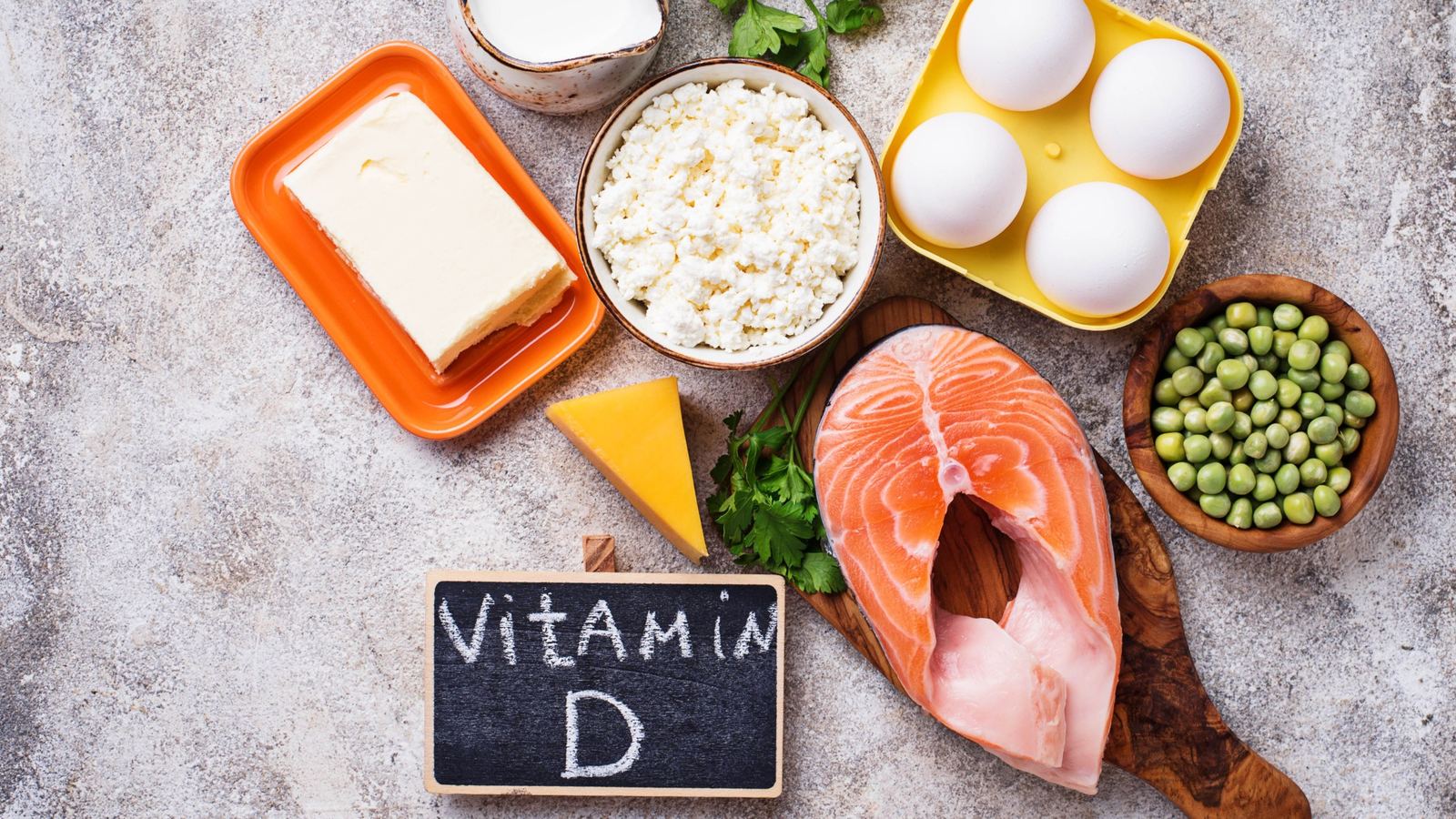
- Widespread vitamin D deficiency. Despite abundant sunshine, most Indians are vitamin D deficient, and without enough vitamin D the body can’t absorb the calcium bones need. (More on this in our guide to vitamin D deficiency and body pain in India.)
- Low calcium intake and absorption. Lower dairy intake, plus diets high in phytates (in some grains and legumes) that hinder calcium absorption, leave many women short of calcium for years.
- Slim build and low body weight. A smaller frame and lower body weight, common in Indian women, are themselves risk factors for lower bone density.
Together, these mean an Indian woman’s bones can reach a fragile state years before the age at which screening is traditionally recommended, which is exactly why the right DEXA scan age in India is often earlier than the textbook number.
What Are the Symptoms of Osteoporosis?
The honest answer: usually none, until a fracture. That’s what makes it dangerous. Osteoporosis itself is painless, but signs that bone loss may already be advanced include:
- A fracture from a minor fall or knock (a “fragility fracture”)
- Loss of height over time
- A stooped posture or rounding of the upper back
- Sudden back pain from a spinal compression fracture
Because you can’t feel bone thinning, waiting for symptoms is the wrong strategy. Testing is the only way to catch it early.
When Should You Get a DEXA Scan? The Right DEXA Scan Age in India
This is the question that matters most, and the one most articles skip. A DEXA scan (bone-density test) is the gold standard, and here’s practical guidance on the right DEXA scan age in India:
| Who you are | When to consider a DEXA scan |
|---|---|
| All women, no risk factors | By around age 65 (the standard screening age) |
| Around menopause (≈45–50) | Consider a baseline scan, especially given the earlier Indian pattern |
| Early menopause (before 45) | Sooner, early estrogen loss accelerates bone loss |
| Any woman with risk factors | Don’t wait, discuss a scan now (see below) |
| After a fragility fracture | Promptly, a fracture from a minor fall is a red flag |
Risk factors that justify an earlier DEXA scan include early or surgical menopause, a family history of osteoporosis or hip fracture, long-term steroid or certain other medications, low body weight, smoking or heavy alcohol use, rheumatoid arthritis or thyroid problems, and a previous fracture from a minor fall. If any apply, the right DEXA scan age for you is likely earlier than 65, sometimes considerably.
The takeaway: 65 is the default, but for many Indian women, especially around or after menopause, or with any risk factor, earlier screening is the sensible choice.
What Is a DEXA Scan, and What Does the T-Score Mean?
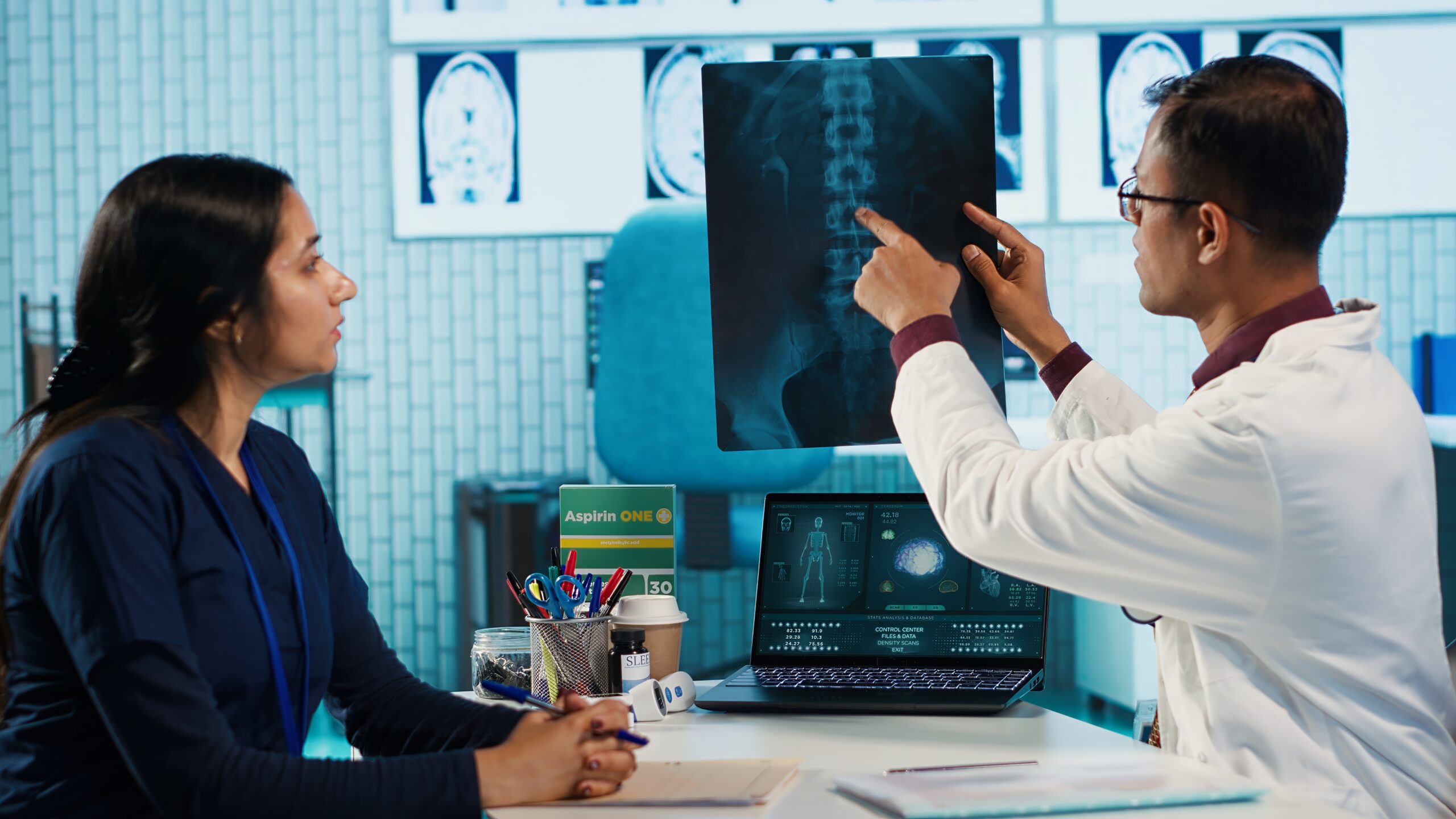
A DEXA scan is a quick, painless, low-radiation X-ray that measures your bone density, usually at the hip and spine. It takes only a few minutes and gives a result called a T-score, which compares your bone density to that of a healthy young adult:
| T-score | What it means |
|---|---|
| −1.0 and above | Normal bone density |
| −1.0 to −2.5 | Low bone density (osteopenia), early thinning |
| −2.5 and below | Osteoporosis |
The T-score lets your doctor see exactly where you stand and, importantly, catch osteopenia (the “warning” stage) before it becomes osteoporosis. One caveat: in younger or premenopausal women, the Z-score (which compares you to others your own age) is the more appropriate measure, not the T-score.
How Is Osteoporosis Treated?
Caught early, osteoporosis is very manageable, and the earlier the DEXA scan, the more options you have. Treatment is usually a combination:
- Calcium and vitamin D, correcting the deficiencies that undermine bone, under medical guidance.
- Weight-bearing and strengthening exercises, walking, stair-climbing, and resistance work signal the body to build bone; guided physiotherapy makes this safe if you’re already fragile or in pain.
- Bone-protective medication, medicines that slow bone loss or help rebuild it, considered when your fracture history, bone density, and overall fracture risk together indicate it’s needed, not on a DEXA result alone.
- Fall prevention, because in osteoporosis, preventing the fall prevents the fracture.
The goal isn’t just a better number on the next scan; it’s keeping you mobile, independent, and fracture-free.
Osteoporosis, Fractures, and Your Joints
Weaker bones don’t just fracture more easily, they complicate joint health and recovery too. Low bone density can worsen outcomes after a fall, slow healing after orthopaedic surgery, and often sits alongside the joint problems we treat. It’s also linked to the same vitamin D and calcium gaps behind why knee arthritis tends to start earlier in Indian patients. Looking after bone and joint health together, rather than in isolation, is the sensible approach, and it’s how we work at OSSO.
When to See a Specialist
See a doctor about your bone health if you are around or past menopause and have never had a bone-density test, have any of the risk factors above, have lost height or developed a stooped posture, or have had a fracture from a minor fall. Early evaluation genuinely changes the outcome.
At OSSO, our orthopaedic team assesses your bone and joint health together, arranges the right tests, including DEXA, and builds a plan around keeping you strong and mobile. Women’s bone health is part of our broader orthopaedic care for women.
Osteoporosis in Indian women is common, silent, and tends to start earlier, but it’s also one of the easiest serious conditions to catch in time. You don’t need to wait for a fracture or for age 65. If you’re around menopause, or you have any risk factors, ask about a DEXA scan now. A few minutes on a scanner today can protect your independence for decades.
Talk to the team at OSSO about your bone health and whether it’s time for a DEXA scan.
Frequently Asked Questions About Osteoporosis in Indian Women
At what age should you get a DEXA scan in India?
For women with no risk factors, around age 65 is the standard. But because osteoporosis in Indian women often starts about a decade earlier, many doctors advise a baseline DEXA scan from menopause (around 45–50), and sooner if you have risk factors such as early menopause, family history, low body weight, steroid use, or a fracture from a minor fall.
Why does osteoporosis start earlier in Indian women?
Earlier menopause (often around 46–48), lower peak bone mass from childhood nutrition, widespread vitamin D deficiency, low calcium intake and absorption, and a typically slimmer build all combine to bring bone loss forward by roughly a decade compared with Western women.
What are the symptoms of osteoporosis?
Usually, none until a bone breaks, which is why it’s called silent. Signs that loss may be advanced include a fracture from a minor fall, loss of height, a stooped posture, or sudden back pain from a spinal fracture.
What is a DEXA scan and what does the T-score mean?
A DEXA scan is a quick, painless bone-density test. It gives a T-score: −1.0 and above is normal, −1.0 to −2.5 is low bone density (osteopenia), and −2.5 or below is osteoporosis.
Can osteoporosis be treated or reversed?
You can’t fully undo all bone loss, but treatment (calcium and vitamin D, weight-bearing exercise, and bone-protective medication where needed) can improve bone density and, most importantly, greatly reduce fracture risk. The earlier it’s caught, the better the options.
I drink milk daily, so why am I still at risk?
Milk provides calcium, but you need enough vitamin D to absorb it, and most Indians are vitamin D deficient. Diets high in phytates can also block calcium absorption. So daily milk alone doesn’t guarantee healthy bones.
How often should a DEXA scan be repeated?
It depends on your first result and risk factors; your doctor will advise, often every one to two years if you’re being treated or monitored, and less often if your bones are healthy.