
Knee Pain
Treatment in Gurgaon
Get expert treatment at OSSO
OSSO offers expert care for joint pain, reduce inflammation & restore mobility. Our knee treatment in Gurgaon includes lifestyle modifications, physiotherapy, injectables, and surgical procedures. Book your appointment today with our knee pain experts for advanced solutions to your arthritis symptoms.
Book Appointment

Call For Consultation
What is Osteoarthritis
Osteoarthritis is the most common type of arthritis, a degenerative joint disease that affects your joints. Many people visit a knee pain specialist when they begin to notice symptoms. In osteoarthritis (OA), the soft layer/cartilage between the joints gradually wears down, causing the bones to rub directly against each other during movement. This leads to pain, stiffness and reduced mobility. Osteoarthritis can affect any joint, but it most commonly occurs in the:

Hands
Knees
Hips
Neck (cervical spine)
Lower back (lumbar spine)
Among these joints, the knee is the most commonly affected by osteoarthritis, maaking it a leading cause of knee pain, stiffness, and reduced mobility.
What are the Causes of Knee Pain?
It is essential to understand the main cause of osteoarthritis, which helps you seek timely care from a knee pain specialist.
1
Age-Related Joint Degeneration
Osteoarthritis is a condition that is increasingly common with age, particularly after the age of 40 or can happen due to a sedentary lifestyle. Over the years, joints wear down their cartilage, which is a major contributing factor to knee osteoarthritis and a multitude of other joints.
2
Past Joint Injury
Previous knee injuries, fractures, ligament tears, or activities that consistently strain the bones, muscles, and joints can speed up cartilage damage. Osteoarthritis also becomes more common after the age of 40, where natural wear and tear leads to cartilage breakdown, a major contributor to knee and other joint degeneration.
3
Structural Imbalances
Notably, few people have poor joint alignment, weak muscles, or even musculoskeletal abnormalities that simultaneously place more stress on your joints while leading to faster progression of osteoarthritis, therefore worsening knee arthritis symptoms.
4
Genetic & Hormonal Factors
Individuals with a family history of knee pain or arthritis have a higher risk of developing OA. When combined with factors like gender, occupation, activity levels, diet, and bone density, this risk increases, making early diagnosis essential.
Diagnosis of Knee Osteoarthritis
Diagnosing knee osteoarthritis begins with a detailed evaluation by an experienced knee pain doctor. At OSSO, specialists assess your symptoms of osteoarthritis, including knee stiffness, swelling, grinding sensations, and overall mobility. The diagnostic process usually includes:
Patient Knee Arthritis Treatment Journey
Playing through pain? Don’t listen to us. Listen to Shiv. A young #athlete who chose OSSO over NINE other orthos when knee pain was keeping him away from the #swimming pool and the #cricket pitch. Behind this video: our integrated ortho + physio team thinking and treating as one unit, and advanced regenerative therapy – GFC injections (a next-gen evolution of PRP) – helping his knee heal faster and come back stronger. No surgery. No prolonged downtime. Grateful to @shivkkapoor for his trust in our team, and glad that we earned it. 💚
What Are the Symptoms of Knee Pain?
If you are experiencing persistent discomfort or mobility issues, recognising the common symptoms of knee pain can help you seek timely care from a knee pain specialist.
Pain or aching in the joint during activity, after prolonged movement, or at the end of the day, is often an early sign of osteoarthritis of the knee or progressing knee arthritis symptoms.
Morning stiffness or stiffness after resting is commonly seen in people with osteoarthritis.

Limited range of motion, which may improve gradually with movement or recommended osteoarthritis knee exercises.
Clicking, grinding, or popping sounds when the knee bends, often due to cartilage wear and tear.

Swelling around the knee joint that may indicate inflammation requiring proper knee pain management.

Muscle weakness and joint instability, including knee “buckling,” can make daily activities difficult and often lead people to seek treatment from a knee pain or osteoarthritis specialist.
These symptoms may require timely evaluation and appropriate knee pain management, particularly in individuals with osteoarthritis.
When to See a Doctor for Osteoarthritis?
You should see a knee pain doctor near you or an OA specialist if you experience:
Chronic or worsening knee arthritis symptoms
Pain that affects your walking, climbing stairs, or activities of daily living
Swelling, stiffness in your joint, or you have reduced mobility
Sudden grinding or clicking sensation in the knee when walking.
Pain that stays with you even after proper rest or home care
A timely evaluation at OSSO can significantly improve your outcomes by helping identify the problem early and guiding you toward the right treatment pathway.
What Are the Symptoms of Knee Pain?
At OSSO, a personalised and evidence-based approach is used for osteoarthritis knee treatment, offering advanced solutions for every stage of the condition:

Medication & Pain Management
This includes anti-inflammatory medicines, topical agents, and targeted pain management protocols to reduce discomfort and swelling.

Injections & Regenerative Therapies
Corticosteroid, hyaluronic acid (HA), GFC, platelet-rich plasma (PRP), or combination injections such as PRP+HA or GFC+HA may be recommended to help improve mobility and reduce pain.

Surgical Treatment
For severe osteoarthritis knee conditions, OSSO offers minimally invasive arthroscopy or knee replacement surgery performed by highly experienced surgeons.
Physiotherapy
Customised osteoarthritis knee exercises strengthen muscles, improve flexibility, and reduce pressure on the knee joint.

Bracing, Supports & Lifestyle Guidance
Joint unloading braces, weight-management plans, and occupational guidance help reduce strain on affected joints.
Treatment Options by OSSO
At OSSO, a personalised and evidence-based approach is used for osteoarthritis knee treatment, offering advanced solutions for every stage of the condition:
1
Medication & Pain Management
This includes anti-inflammatory medicines, topical agents, and targeted pain management protocols to reduce discomfort and swelling.
2
Physiotherapy
Customised osteoarthritis knee exercises strengthen muscles, improve flexibility, and reduce pressure on the knee joint.
3
Injections & Regenerative Therapies
Corticosteroid, hyaluronic acid (HA), GFC, platelet-rich plasma (PRP), or combination injections such as PRP+HA or GFC+HA may be recommended to help improve mobility and reduce pain.
4
Bracing, Supports & Lifestyle Guidance
Joint unloading braces, weight-management plans, and occupational guidance help reduce strain on affected joints.
5
Surgical Treatment (When Needed)
For severe osteoarthritis knee conditions, OSSO offers minimally invasive arthroscopy or knee replacement surgery performed by highly experienced surgeons.
Rehabilitation & Recovery
Rehabilitation plays a crucial role in restoring knee function. At OSSO, recovery programs include:
Tailored physiotherapy sessions
01
Strengthening and stretching routines
02
Balance and gait training
03
Post-surgery & post-injection rehabilitation (if applicable)
04
Structured rehab supports faster healing, enhances joint stability, and improves the effectiveness of knee pain treatment.
Relevant Blogs
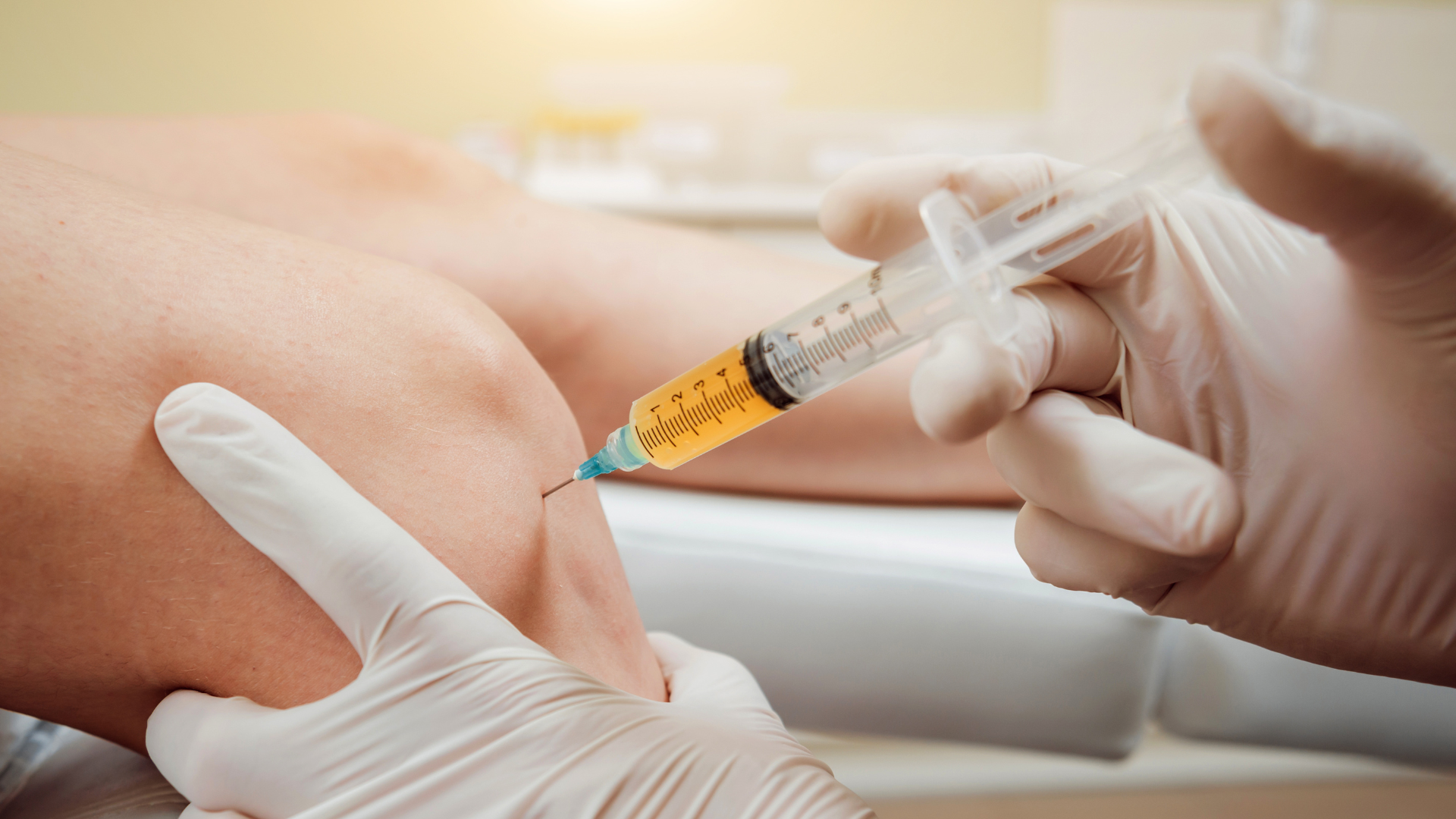
PRP Injections for Knee Osteoarthritis: what to expect?
PRP injection for knee pain has emerged as a valuable treatment option for early-stage “arthritis” for people who don’t need dealing with knee osteoarthritis who aren’t ready for surgery. Platelet Rich Plasma “PRP” therapy takes your own …
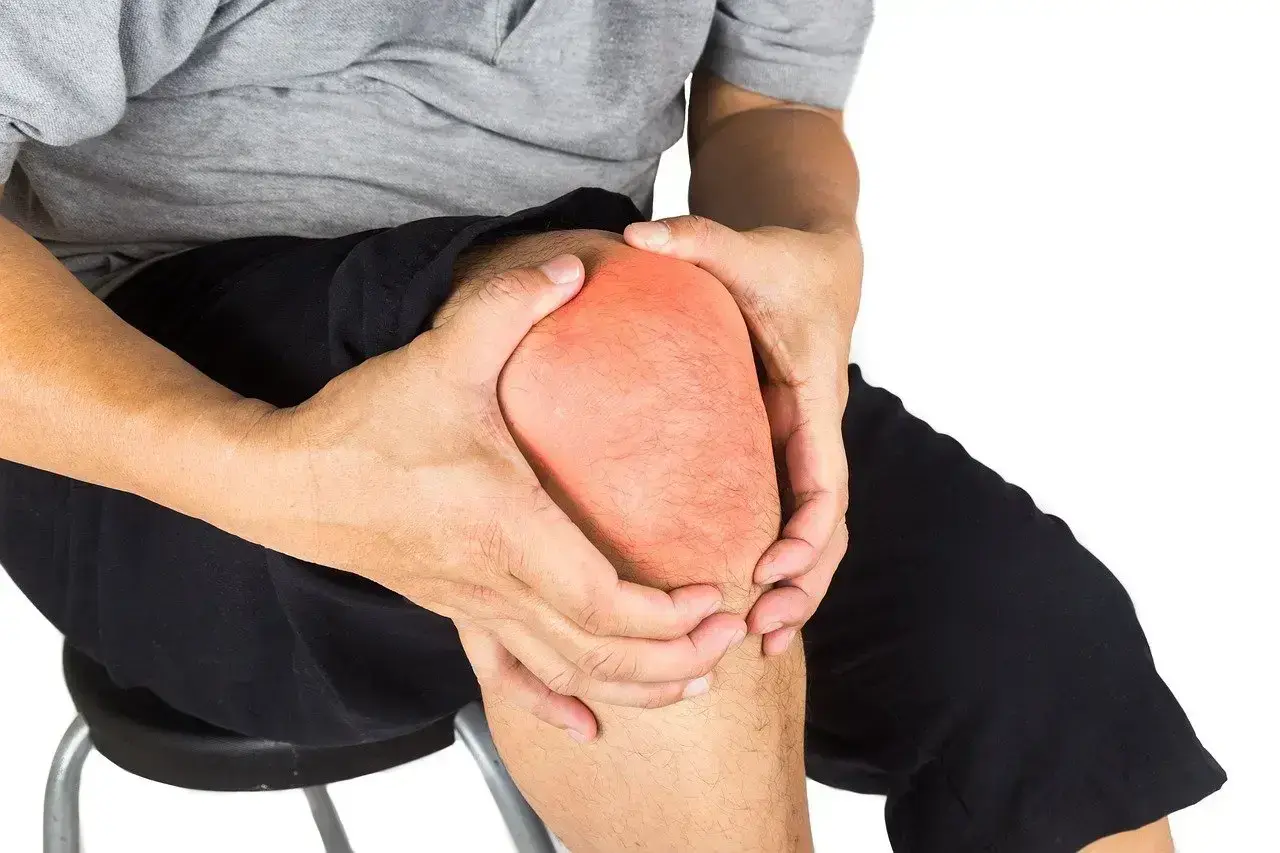
Common Mistakes to Avoid During Meniscal Injury Rehabilitation
Meniscal injuries are common knee problems that can lead to significant pain and functional limitations. The meniscus, a C-shaped cartilage in the knee, acts as a shock absorber, providing stability and cushioning during movement. When injured, wheth…